
Acknowledgement: This reflective piece was written by Dr Tim Henwood and Tamara Henwood, with light copyediting provided by Keep Able.
Dr Henwood is a nationally recognised reablement expert with decades of experience in the aged care sector. He supports service providers to strengthen their wellness and reablement programs.
Ms Henwood is a speaker, consultant, and dementia doula. Drawing on her lived experience as an informal carer, she advocates for reablement approaches that promote dignity and agency in people impacted by dementia.
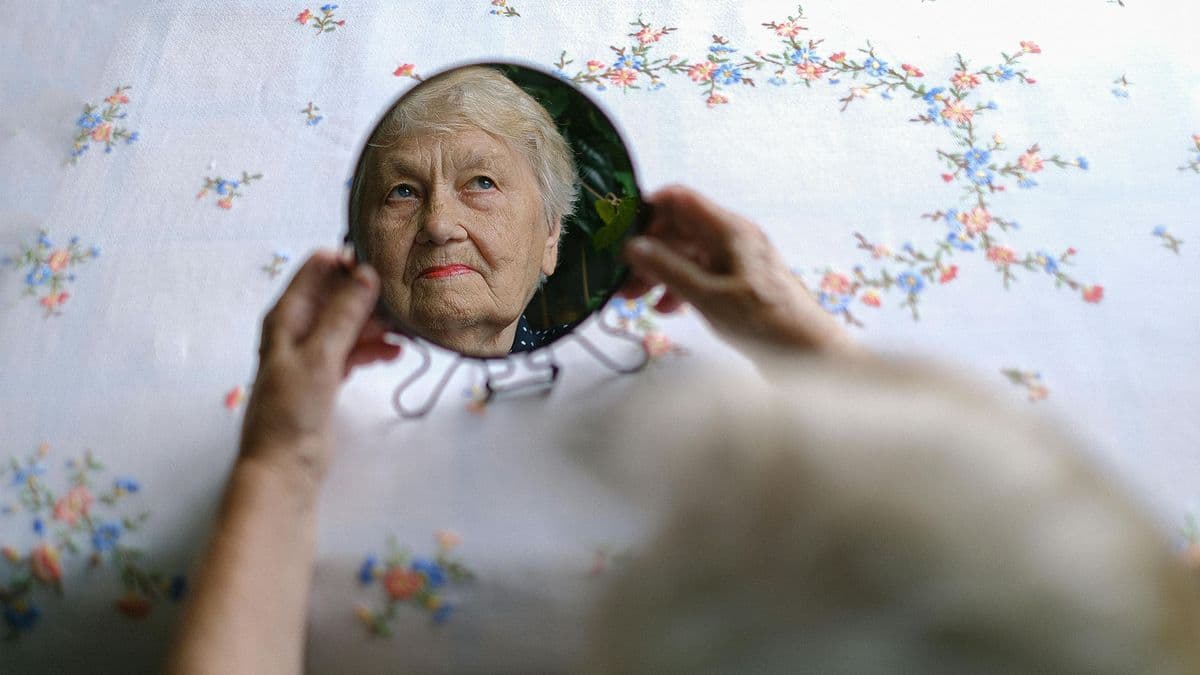
For many, the words cognitive decline or dementia immediately evoke loss. This could include loss of memory, loss of independence, or loss of the person you knew. And while these changes are real, they don't have to be the whole story.
As the prevalence of dementia rises, so too do the moments when families notice that 'things started to change'. These might include when a partner who once managed the home now:
- Hesitates in the kitchen
- Withdraws from the garden
- Avoids social outings
Often, this shrinking world is not simply about inability. It's also about risk, confusion, and loss of confidence. Anxiety increases, social circles narrow, and identity quietly erodes. This is where reablement can change the narrative.
In the context of cognitive decline, reablement is not about denying progression but adapting to it. It means supporting a person to be the best version of themselves by:
- Reducing pain
- Improving balance
- Strengthening muscles
- Promoting engagement
- Preserving daily function
Crucially, it's about prescribing to the person's ability, not their diagnosis.
At its heart, reablement prioritises ‘doing with’ rather than ‘doing for’. Instead of making a cup of tea for the person, you could share the task by asking something like:
‘Can you grab the cups and teabags while I boil the kettle?’
These small opportunities protect confidence, autonomy, and identity. With cognitive change, capacity may fluctuate across the day. Reablement therefore must be flexible. This could mean adjusting cues, pacing, and expectations in real time.
Physical activity is an often-overlooked pathway for supporting cognitive health. In community wellness and respite settings, these activities have been shown to improve functional capacity:
- Structured strength and power training
- Gym sessions
- Walking programs
- Task‑based gardening

They've also been linked to improved:
- Sleep
- Mood stability
- Behavioural expression
Movement matters, especially for the brain.
For someone living with dementia, movement is not simply about getting stronger or fitter. It's also about connection and capability. It can unlock engagement where words alone may not, especially when combined with:
- Music
- Routine
- Purpose
Effective reablement sits at the intersection of technical skill and person‑led care. Technical skill may look like:
- The nurse expertly managing a wound
- The exercise physiologist prescribing strength to reduce the risk of falls
- The daughter who understands her mother's trauma history and knows which cues will soothe rather than escalate
Person‑led care, meanwhile, could be:
- Weaving a conversation about yesterday's grandchild visit into today's therapy session
- Meeting someone where they are on any given day
While the diagnosis informs you, it's the story that should lead you.
The impact of cognitive decline goes beyond the person it’s happening to. It reshapes families, routines and relationships.
Reablement gives families practical strategies to help the person participate without doing too much. It allows families to step back just enough to support the person to succeed while maintaining safety.
You can reduce frustration for both the person and those around them by providing education on:
- Cueing
- Pacing
- Supported autonomy
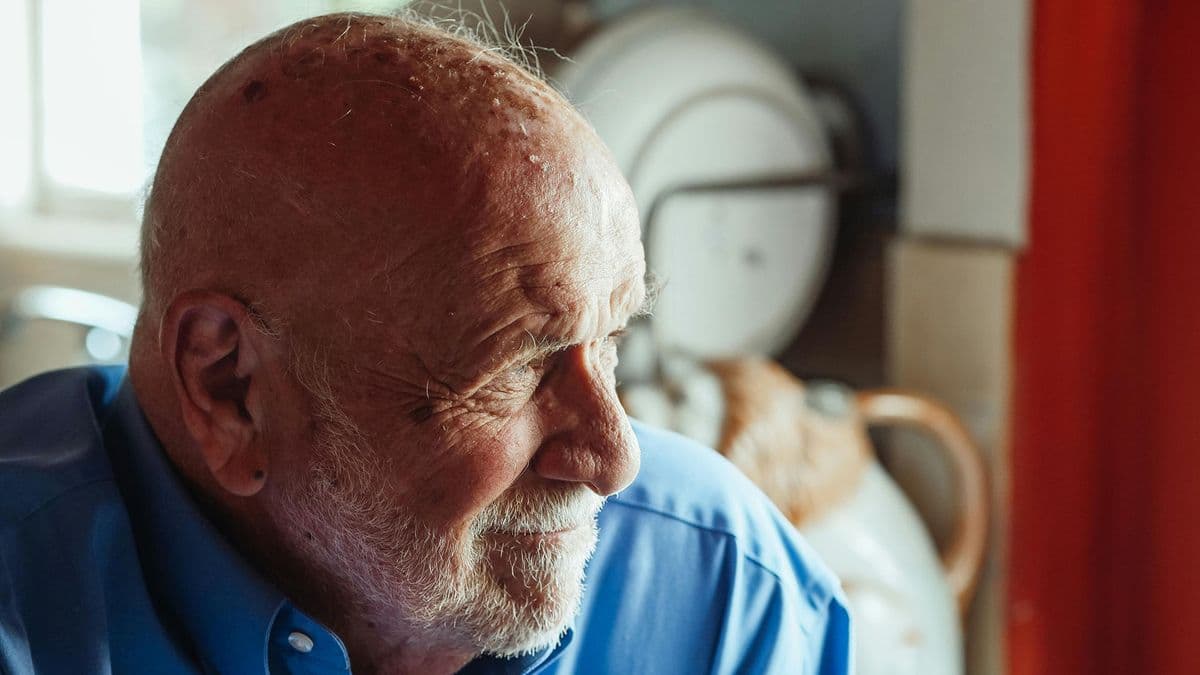
Importantly, progress in cognitive reablement does not always mean 'getting better'. It may mean slowing decline, reducing falls, or maintaining confidence. It can also mean preserving conversation or sustaining meaningful outings.
For carers, progress often translates into reduced burden and improved wellbeing.
When a person is diagnosed with dementia, it changes their life. But it does not erase them. Reablement brings together technical skill and person-led care within a broader care ecosystem. It can allow the person to continue participating in their own story - often longer than expected.
Cognitive decline may alter the path. It does not have to define the ending.