
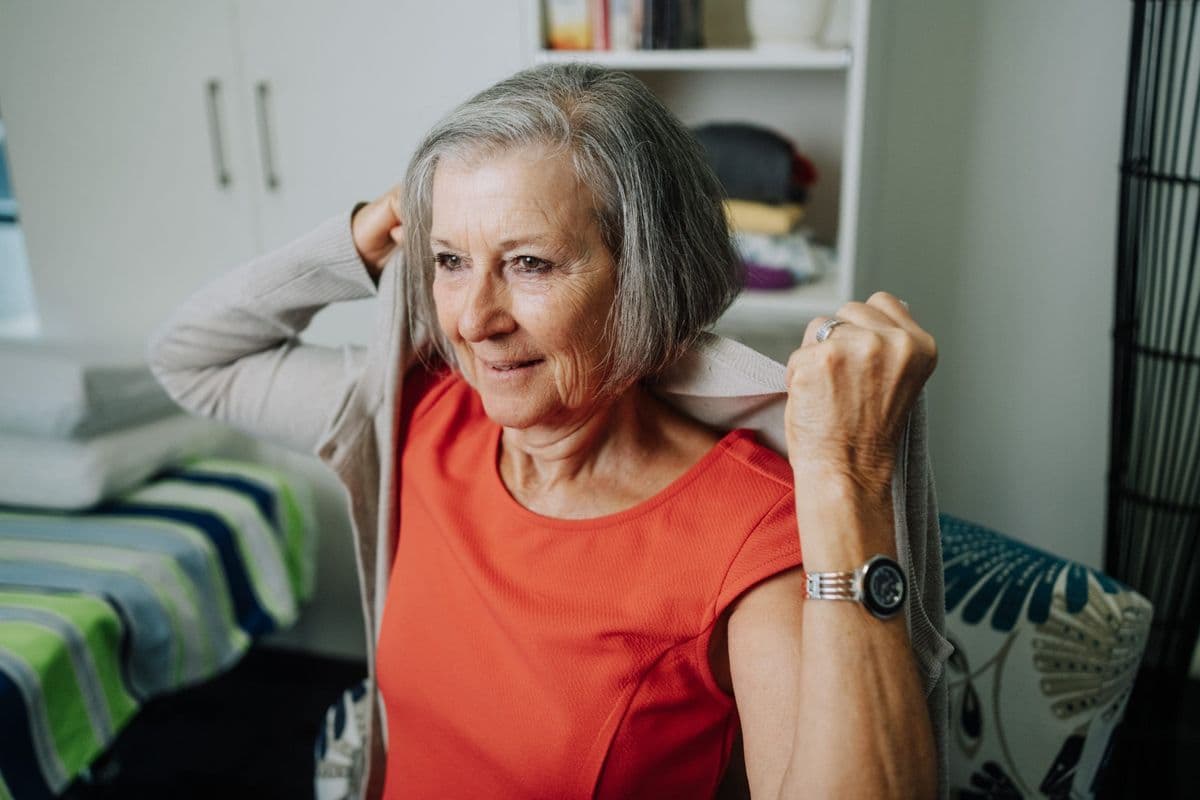
In this resource, you will discover simple, low-risk assistive technology (AT) products to help older adults dress themselves independently.
It might not seem like it because we do it every day, but dressing oneself can have an enormous impact on a person’s overall health and resilience – maintaining their balance, cognitive skills, sense of dignity, and other essential aspects of wellness.
Low-risk AT refers to assistive devices that:
- Can usually be purchased ‘off the shelf’
- Have low potential for causing harm
- Can be implemented and used with minimal training or professional expertise
Low-risk AT can be considered a reablement strategy, as it provides practical support for older people to regain or maintain their confidence and capacity to do things for themselves.
We will also explore other reablement strategies that could be implemented alongside AT to help your clients put on their own clothing. We have broadly defined these reablement strategies in the following three categories:
- Build capacity: This strategy focuses on enhancing the skills and abilities a person needs to perform daily tasks more independently and confidently.
- Modify the task: This strategy involves adjusting the way a task is performed to make it easier or safer for a person.
- Consider other supports: This strategy emphasises the use of additional resources, such as those offered by community organisations, to help maximise a person's potential for independence without relying on continued support.
By incorporating these dressing aids alongside other reablement strategies, you could support your client to achieve greater independence in activities that are important to them.
At the end of this resource, we will also link to some information on where to find these assistive devices, how to incorporate them into your care planning, and general tips for promoting healthy ageing and independence.
Managing buttons and zips
These assistive devices may be helpful for people who have difficulty manipulating buttons and zips, which could be due to joint stiffness in the hands, weakness in the hands, reduced sensation in the fingers, and tremors or shaking.
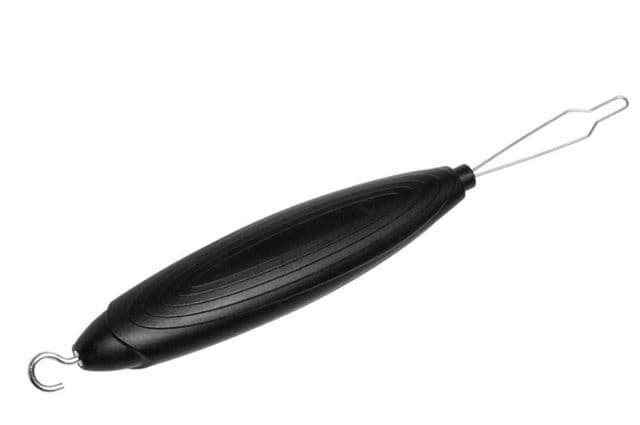
Button hook and zip pull
Has 2 ends: A wire loop for fastening buttons and a hook for pulling up zips.
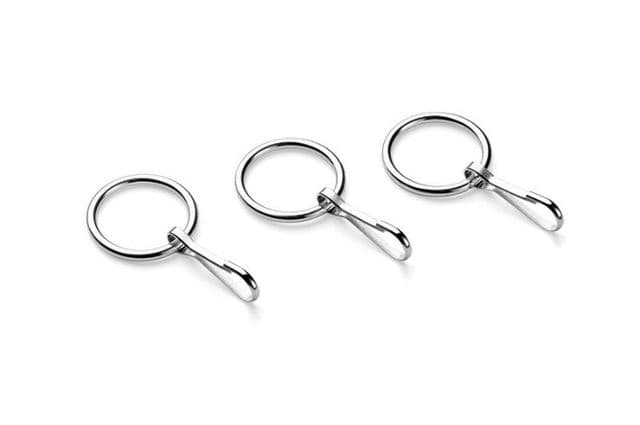
Zip pull loops
Has two main parts: a ring and a looping attachment mechanism. Attach the loop to the zip, hook your finger into the ring, and pull up.
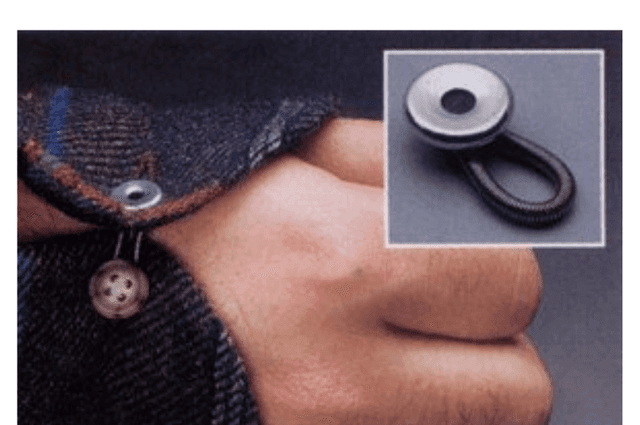
Cuff and collar extenders
Snaps onto buttons and adds extra space to cuffs and collars without the need to unbutton them.

.
Maximise the benefits of the above AT with these reablement strategies:
Putting on and removing lower body clothing
These assistive devices may be helpful for people who are unable to reach their feet to put on lower body clothing like underwear, pants, or skirts. This could be due to obesity, surgical precautions (e.g., if the person is not allowed to bend forward), breathlessness or dizziness, or pain or poor flexibility in the back, hips, or knees.
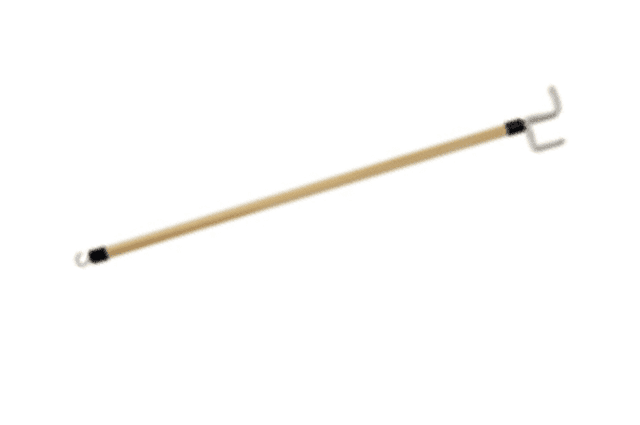
Dressing stick
Has large hooks on one end to help pull up or push off clothes, socks, and shoes.
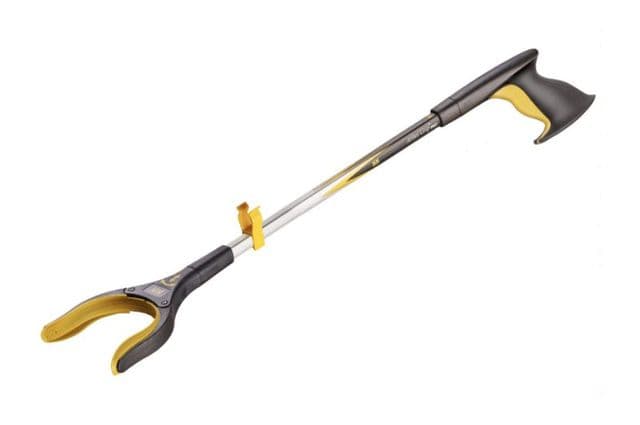
Long-handled reacher
With a hand trigger at one end and a grabber mechanism at the other, this device helps people pick up items without overstretching.
.
.
Maximise the benefits of the above AT with these reablement strategies:
Managing socks and stockings
These assistive devices may be helpful for people who are unable to reach their feet to put on socks and stockings. This may be due to obesity, surgical precautions (e.g., if they are not allowed to bend forward), breathlessness or dizziness, or pain or stiffness in the backs, hips, or knees.
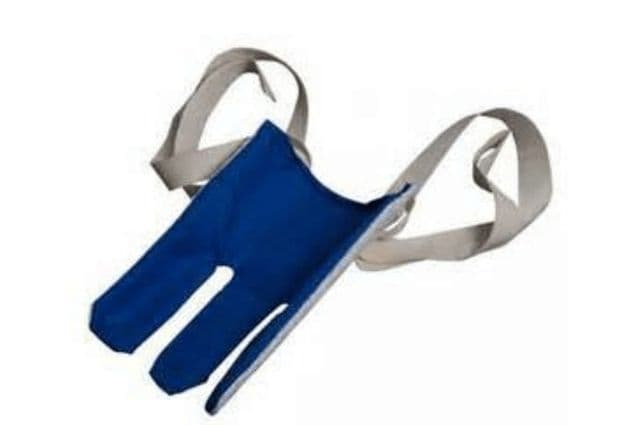
Fabric sock aid
Features a terry cloth outer lining and a nylon inner lining that keep socks secure while allowing the foot to slide in easily.

Flexible plastic sock aid
Features an ergonomically shaped plastic design and a notch to secure the sock in place – allowing it to accommodate large feet without stretching the fabric.
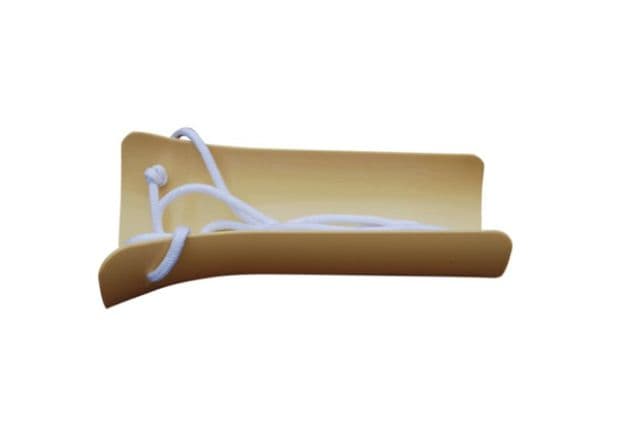
Rigid plastic sock aid
Consists of a lightweight plastic gutter – the sock is fed onto the gutter, slipped over the foot, and then pulled into place without too much bending.
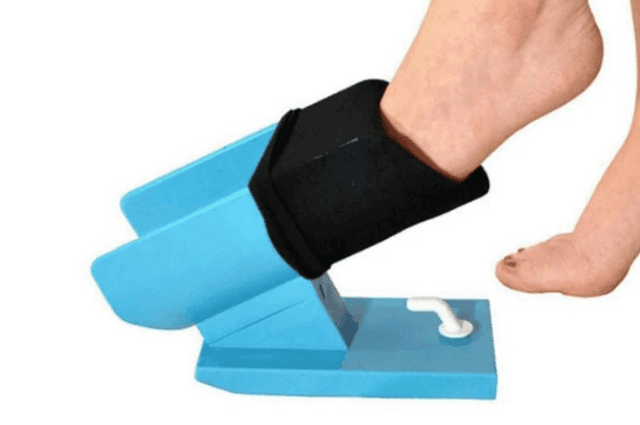
Standing sock aid
Also comes with a doffer, a long-handled stick with a curved or hooked end that can function as a shoehorn.
Maximise the benefits of the above AT with these reablement strategies:
Managing shoes and shoelaces
These assistive devices may be suitable for people who are unable to reach their feet to put on or take off shoes or manage laces.
This could be due to obesity, poor vision, surgical precautions (e.g., if they are not allowed to bend forward), breathlessness or dizziness, reduced sensation in the hands or fingers, poor coordination of the hands or fingers, or pain or stiffness in the back, hips, or knees.
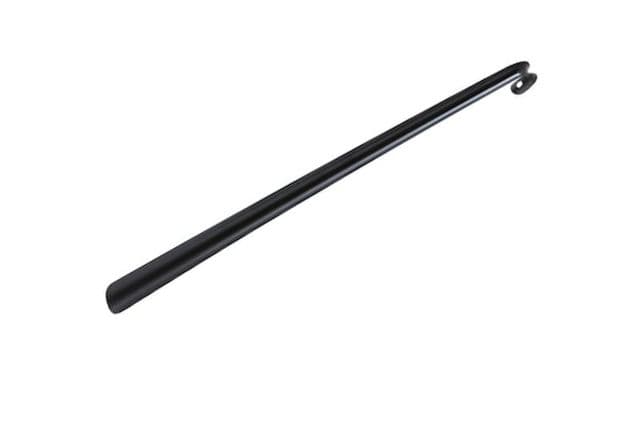
Long-handled shoehorn
With an easy-grip, long-reach handle, this item is ideal for people who have difficulty bending down to put on their shoes.
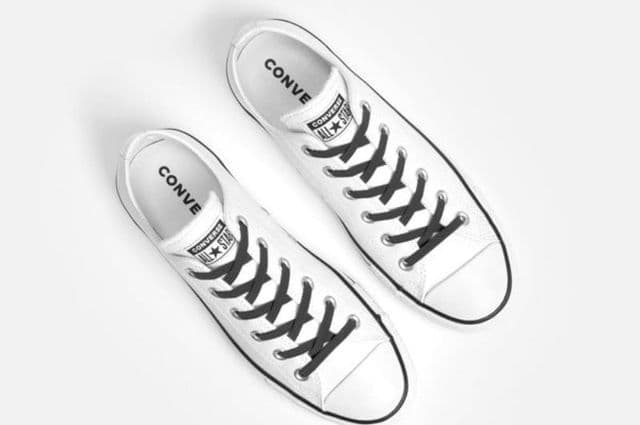
Elasticised shoelaces
Allows shoes to be slipped on without tying or untying the shoelaces.
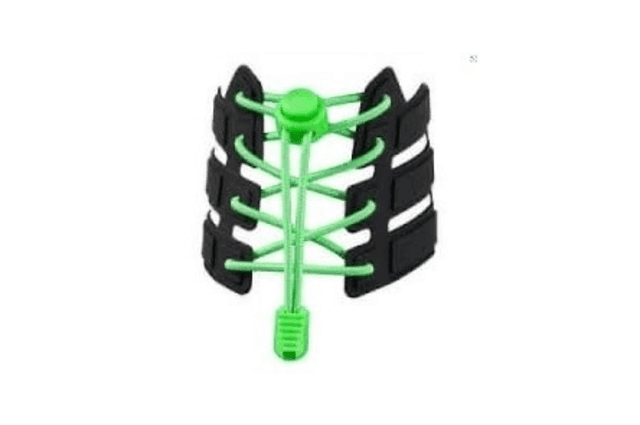
Shoelace locks
Shoelace locks are elastic, no-tie fasteners that secure shoelaces in place, eliminating the need to bend down and tie them.
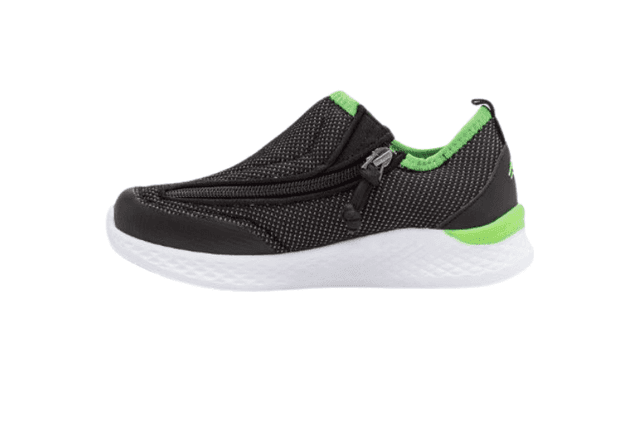
Modified shoe designs
Zips and Velcro fasteners make the opening of the shoe wider and easier to put on. They require less coordination than laces, but the user still needs to be able to reach their feet.
Maximise the benefits of the above AT with these reablement strategies:
Useful resources
For more comprehensive information on assistive technology for dressing, please feel free to explore these resources. They offer in-depth guidance on the products discussed here, as well as broader insights into maintaining independence and wellness as people age:
- Making Choices, Finding Solutions (MCFS): The MCFS guide is designed to help older adults find and choose simple assistive products for all areas of life. It includes suggested products available from well-known retailers and reliable online stores, as well as useful tips and advice from occupational therapists.
- The National Equipment Database (NED): NED is Australia's largest online database of assistive technology (AT). It serves as a comprehensive resource for people, carers, and allied health professionals to find, compare, and purchase AT – helping people with disabilities or mobility issues to live more independently.
- Reablement Essentials: Reablement Essentials are practical guides researched and curated by our Sector Support and Development team. These guides can help you better understand key wellness and reablement concepts, communicate their value to your clients, and ultimately empower your clients to pursue happier, healthier, and more independent lives.
Next steps
Incorporating assistive technology (AT) and other reablement strategies for dressing can help your clients maintain their dignity, independence, and to age well.
If you're interested in learning more about how to integrate AT devices into your care planning, please email us at keepable@ilaustralia.org.au or click 'Contact Us' below.
Thank you for your continued dedication to delivering proactive, person-centred care and supporting your clients to pursue healthy ageing journeys.
DISCLAIMER: Please note that while brand names may appear on this site, their inclusion does not imply our endorsement. These branded images have been sourced from our affiliated organisation, NED (National Equipment Database), to provide informational support and inspiration, not to promote any specific products.