
What is low-risk AT?
Using low-risk AT is a reablement strategy. It provides practical support for older people to do things for themselves.
This page will explore low-risk AT and other reablement strategies that older people can use to participate in cleaning and housework tasks.
By the end of this page, you'll be able to help your client identify AT and other reablement strategies that can help to support their independence.
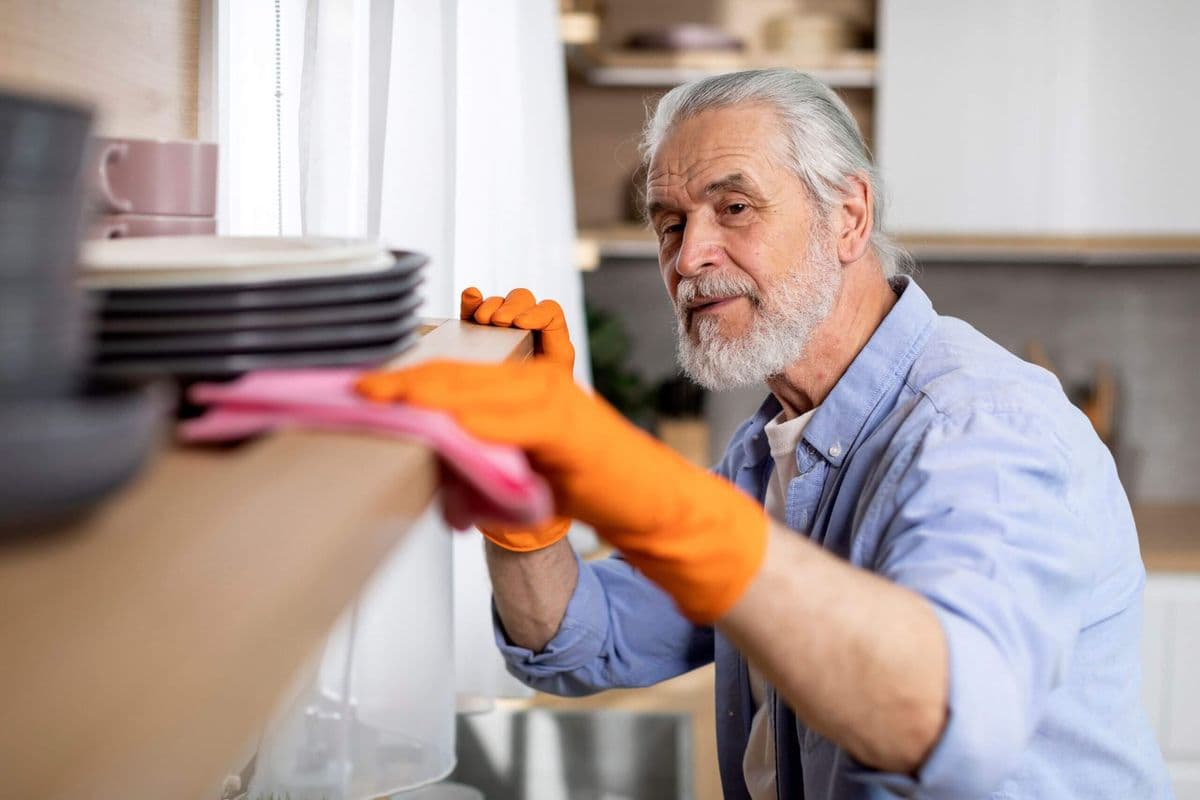
Why use low-risk AT to help older people maintain their homes?
Using low-risk AT for everyday tasks such as house cleaning has many benefits. For example, it can:
- Help to improve important skills for daily living, including strength, balance, and hand control
- Help people take pride in themselves
- Contribute to reducing pain and fatigue
Examples of helpful AT for different cleaning tasks
Here are some examples of AT you can use for various tasks and challenges involved in cleaning different parts of the home, including:
- Floors
- Bathrooms
- Surfaces
- Other cleaning tasks
The items on this page may assist people experiencing difficulty with bending, reaching, lifting, balance, mobility, or grip strength. This may be due to joint pain, muscular conditions, poor vision, poor coordination, injury or illness recovery, and pain or weakness in the hands, arms, or back.
Please note that while brand names may appear on this site, their inclusion does not imply our endorsement. Branded images are sourced from the National Equipment Database (NED).
AT for cleaning floors
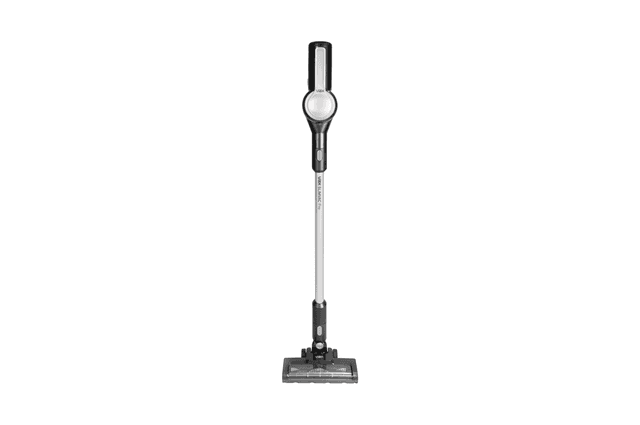
Cordless lightweight stick vacuum
Lighter to carry and manoeuvre, this vacuum has no barrel to pull or cord as a tripping hazard and so improves safety. It cleans carpets and hard surfaces in a walking motion, reducing push and pull movements.
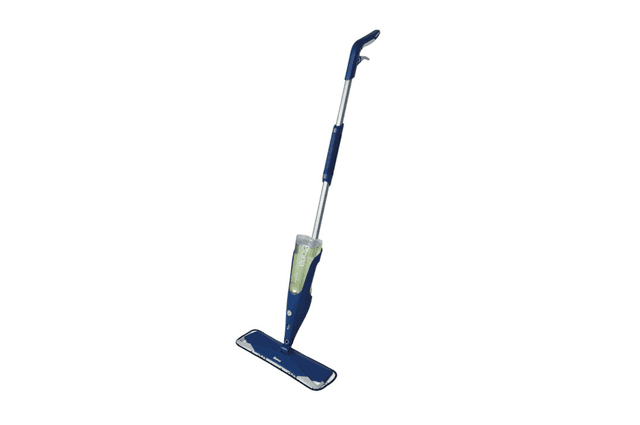
Spray and glide mop
These lightweight mops have an attached spray bottle for water or cleaning solution. They're easy to use and store, with a simple trigger on the handle to quickly clean spills or small areas.
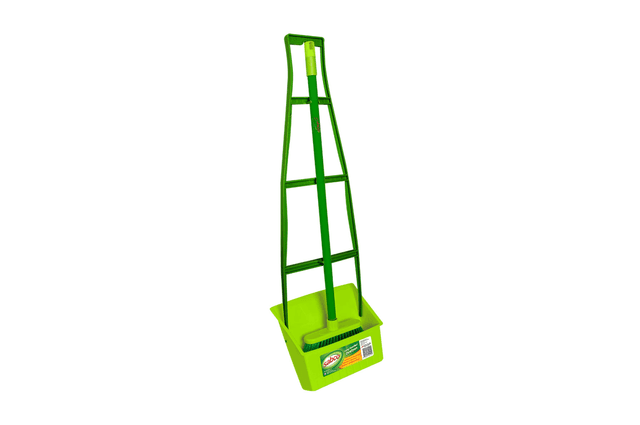
Long-handled dustpan and broom
This allows small areas to be swept and rubbish to be collected in the tray without bending down to floor level. It's lightweight for easy carrying and storage.
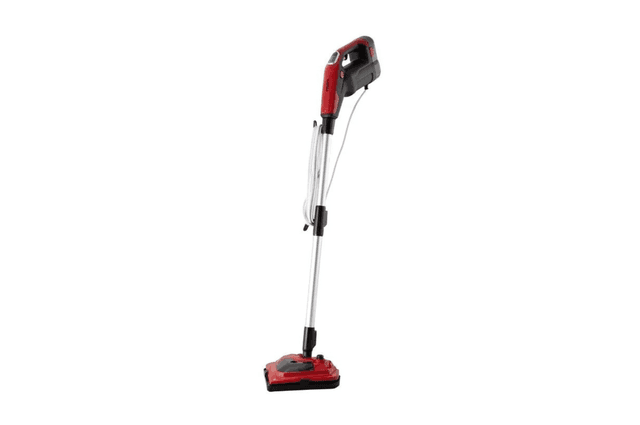
Steam mop
The steam from this device helps clean hard floors and keep them hygienic. The lightweight design and swivel head make it easy to clean hard-to-reach places without straining, and it’s easy to store.
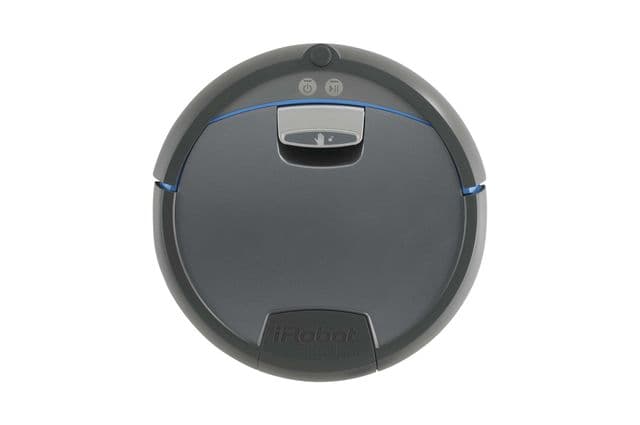
Robot vacuum
Unlike traditional vacuums, robot vacuums don’t need to be manually handled to vacuum. They run as programmed to move across hard floors, eliminating the need for pushing, pulling, or heavy lifting.
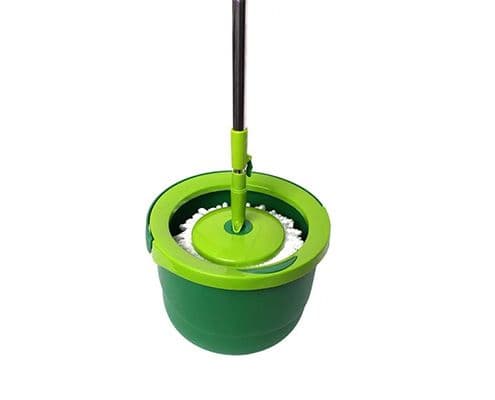
Lightweight spin mop and bucket
This mop is suitable for hard surfaces like wood, tiles, laminate, and stone. The extendable pole and spin motion reduce the need to hand-wring the mop. Some models have wheels for easy movement.
AT for cleaning the bathroom
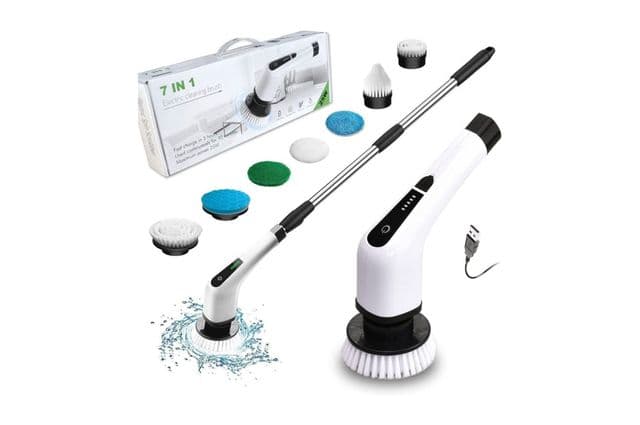
Spin scrubber
The lightweight, battery-powered device has a handle extender to reduce the need for bending or reaching. It also has various easy-to-attach heads. This includes a hard-bristle brush for quickly cleaning mould and scum on wall tiles and floors.
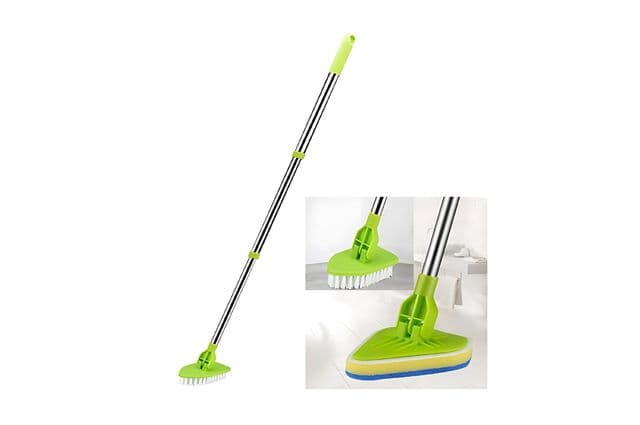
Long-handled floor scrubbing brush
These mops come with a long handle and different brush heads. This makes it easier to clean bathroom surfaces without bending, kneeling, or reaching
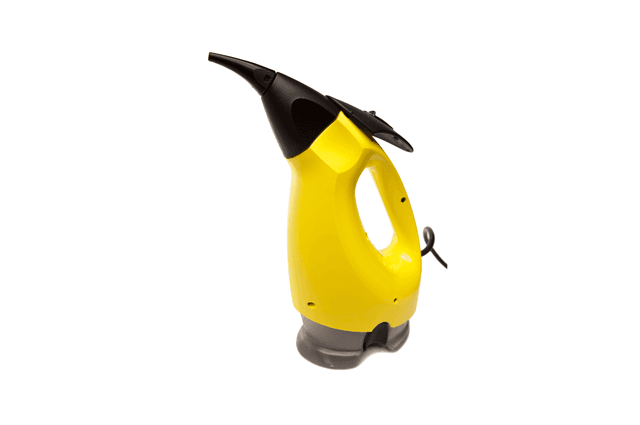
Handheld steam cleaner and mop
This handheld device can be used to hygienically clean benchtops, around taps, and more, using only water. Use just enough water so it's not too heavy to hold. Add the extendable handle to clean hard-to-reach areas without bending.
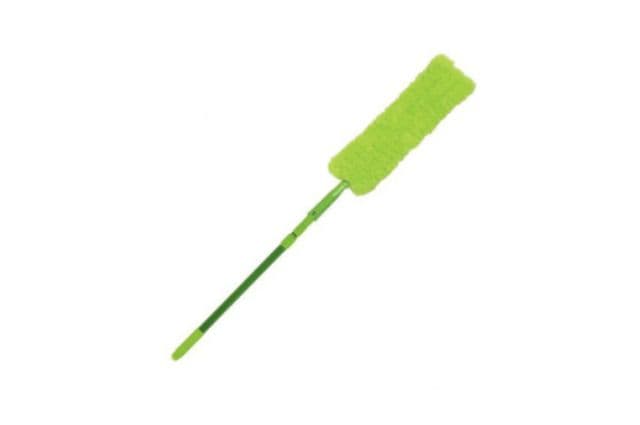
Microfibre bendable duster
Wipe floor surfaces under the vanity without bending. Clean windowsills without reaching. This lightweight tool has an extendable handle and can be adjusted to any angle.
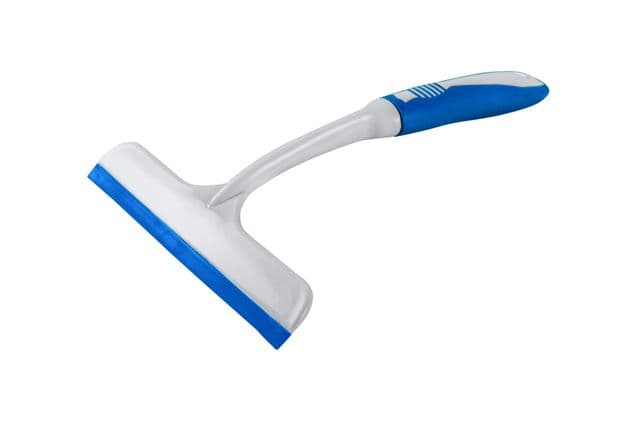
Soft-grip squeegee
Keeping this soft-grip squeegee in the shower allows easy wiping of the glass after use to prevent soap scum buildup. Use it with a ‘no-wipe’ shower cleaner every few days to maintain cleanliness.
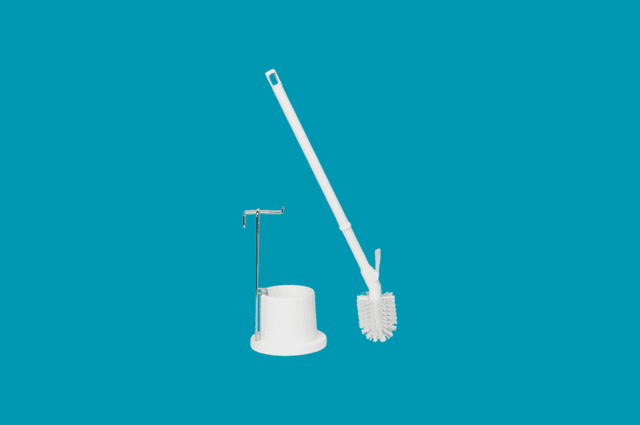
Long-handled toilet brush
This long-handled toilet brush works like a standard toilet brush for cleaning the bowl but reduces the need to bend. It’s lightweight and can be stored beside the toilet for easy access.
AT for cleaning surfaces
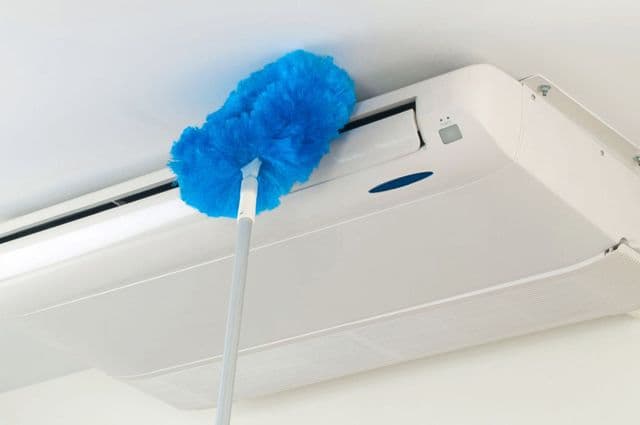
Electrostatic duster
When brushed against surfaces, these dusters generate static electricity. This allows them to attract and trap dust in hard-to-reach places.
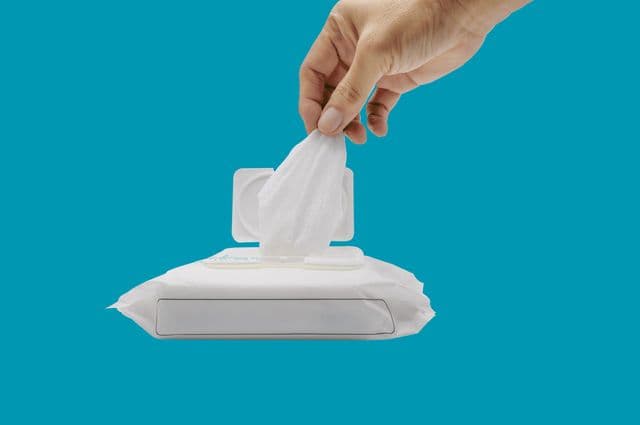
Disinfectant cleaning wipes
These wet wipes disinfect surfaces without raising dust particles. They can be disposed of after use, reducing dust buildup and the need to wash cloths. They glide easily on surfaces without hard rubbing.
Handheld steam cleaner and mop
This handheld device can be used to hygienically clean benchtops, around taps, and more, using only water. Use just enough water so it's not too heavy to hold. Add the extendable handle to clean hard-to-reach areas without bending.
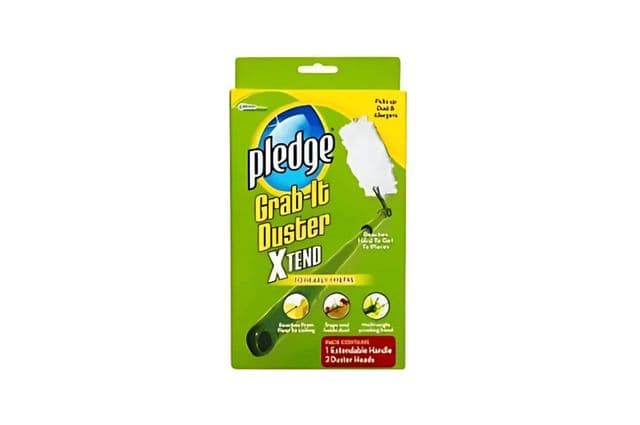
Long-handled gap dust cleaner
This lightweight device can reach tight spaces like beside the fridge, shower, or microwave. It can be bent to the shape required, while its long handle reduces the need for bending and reaching.
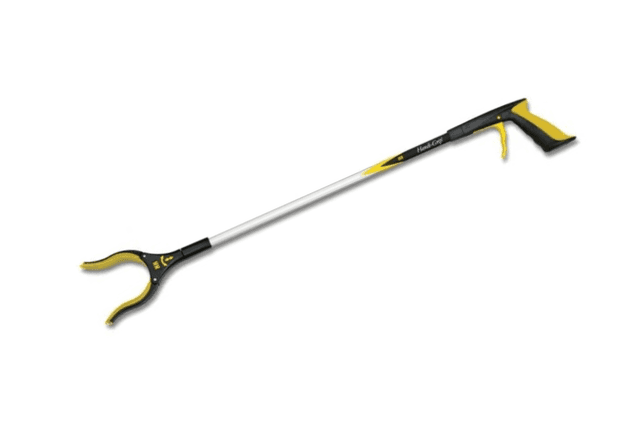
Long-handled reaching aid
With these devices, a cloth or sponge can be placed in the grabbing mechanism to clean hard-to-reach areas. They can be used inside, outside, or in the car.
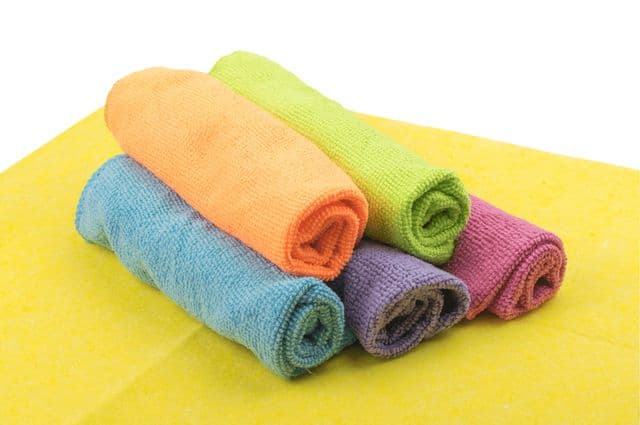
Microfibre cleaning cloths
These washable cloths can be used wet or dry to collect dust, spills, and messes. You can get them in various colours for designated areas. They're designed to trap dust particles instead of just moving them.
AT for other cleaning tasks
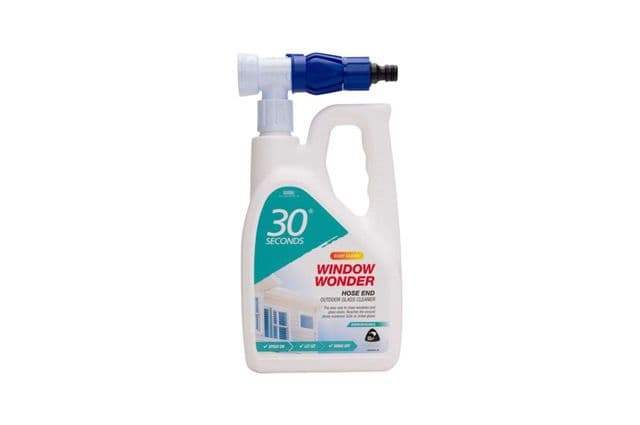
Outdoor glass cleaner
This item attaches to a garden hose and sprays external glass windows to remove dust and dirt, without the need for reaching. Typically available in 2-litre bottles, it cleans a standard house size.
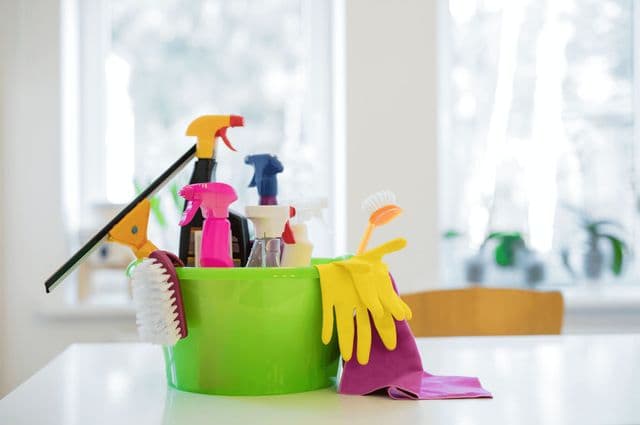
Cleaning caddy
This caddy allows the user to carry cleaning supplies from room to room without walking back and forth. The weight can be easily adjusted by changing how much is placed inside.
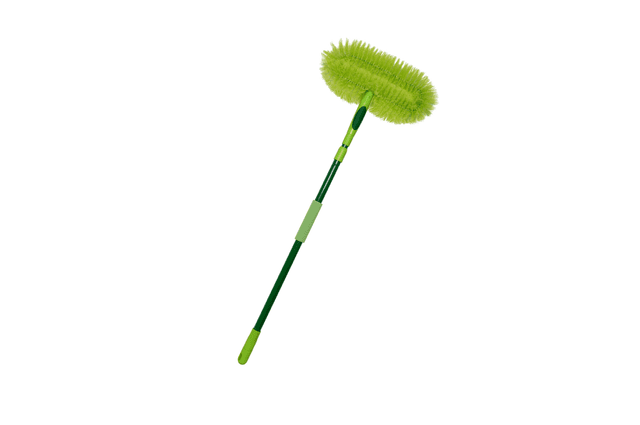
Long-handled ceiling fan duster
This long-handled duster has a circular head and various adjustable dusting attachments. You can use it to clean fan blades without having to climb ladders or furniture.
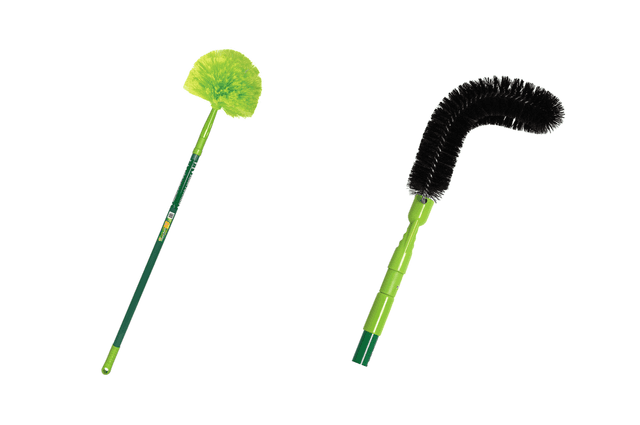
Cobweb brushes
These brushes feature long handles to remove high cobwebs both indoors and outdoors without needing to reach or be in close proximity. The brush is made of hard bristles that can be rinsed clean.
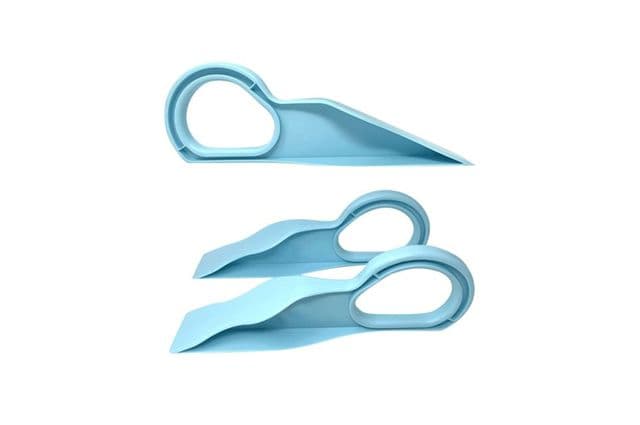
Mattress lifter
This device slides under mattresses to create a gap, making it easier to fit sheets without using hand or arm strength. It also reduces the risk of hand pain or fatigue.
Maximise the benefits of the below AT with these considerations and reablement strategies:
Useful resources
If you found this page helpful, you may also be interested in the following. These resources provide more detailed advice about the items mentioned here. They also have general tips on how people can stay independent and healthy as they age.
This guide helps older people find and choose simple assistive items for all areas of life. These items are available in everyday online and offline stores. Occupational therapists also share tips on how to use these items the right way.
Our Sector Support and Development team researched and created these guides. They will help you understand key parts of wellness and reablement. They will also help you share the benefits of wellness and reablement with your clients.
NED is the biggest database of assistive technology in Australia. It's helpful for users, carers, and health professionals to find, compare, and buy AT.
Next steps
The reablement strategies on this page can help your clients perform essential housework and cleaning tasks by themselves. By supporting this, they can enhance your client's dignity, confidence, and potential to age well.
If you want to learn more about using these strategies in your practice, please reach out to us. You can email us at keepable@ilaustralia.org.au or use the 'contact us' button below.