
What is low-risk AT?
Using low-risk AT is a reablement strategy. It provides practical support for older people to do things for themselves.
This page will explore low-risk AT and other reablement strategies that older people can use to participate in leisure activities.
By the end of this page, you'll be able to help your client identify AT and other reablement strategies that can help to support their independence.
Why use low-risk AT to help older people take part in leisure activities?
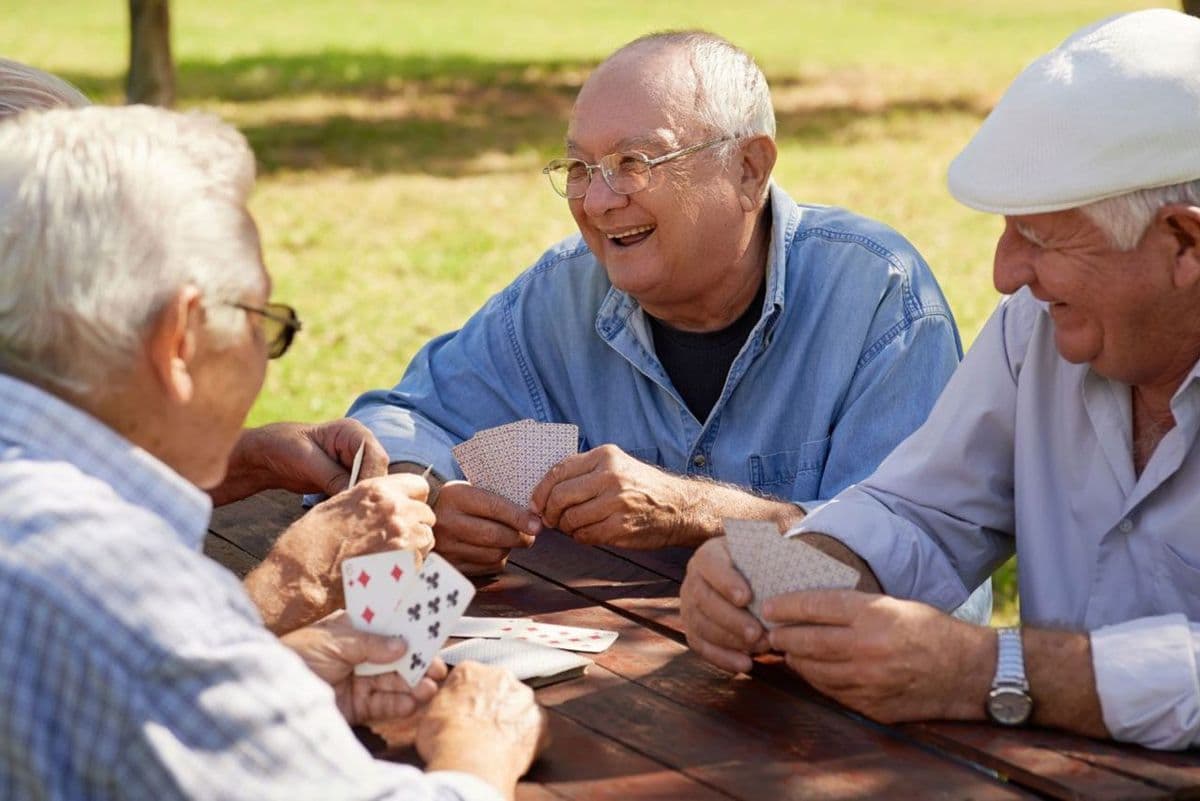
Hobbies and leisure activities are things people choose to do in their free time. People pursue these activities to relax, have fun, and find fulfilment.
A 2023 study found that older people who take part in leisure activities experience:
- Improved physical health
- Improved mental health
- A longer and healthier lifespan
One example of a leisure activity is going to the cafe to catch up with friends. This activity can promote mobility and connection. It can help people feel part of something bigger, reducing feelings of low mood and loneliness.
Low-risk AT may help people keep doing these activities independently. For example, a car transfer bar can help someone get in and out of a car if they have reduced strength or mobility. This may make it easier to travel to and from social activities without relying on help from others.
Leisure is important for everyone's quality of life. An older person’s participation could be impacted by changes in pain, fitness, hearing, vision, balance, strength, coordination, or thinking skills. Low-risk AT may help people continue doing the activities that are meaningful to them.
Examples of helpful AT for different hobbies
Here are some examples of AT you can use for various hobbies, including:
- Reading
- Watching TV
- Puzzles and games
- Arts and crafts
- Sports
- Fishing
Please note that while brand names may appear on this site, their inclusion does not imply our endorsement. Branded images are sourced from the National Equipment Database (NED).
AT for reading
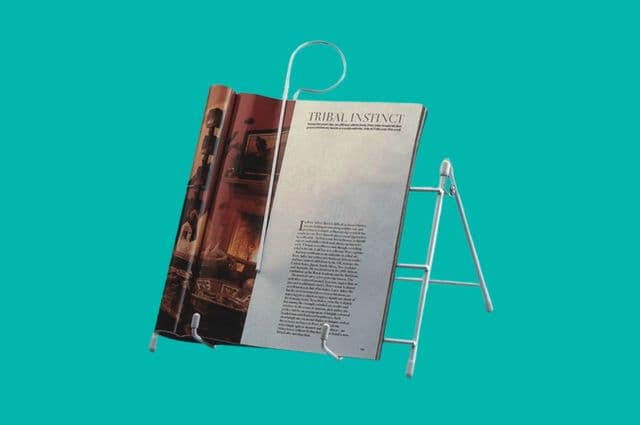
Reading stand
This item is helpful for people with pain, weakness, or poor coordination in their hands. It allows users to prop up books without straining their hands or arms.
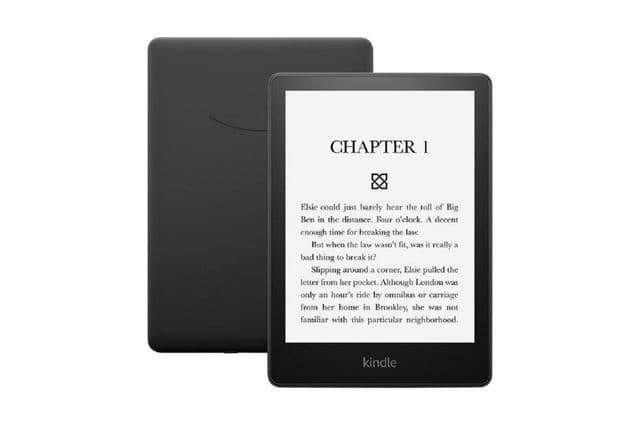
eBooks
eBooks can be ideal for people with vision impairment and those who find it difficult to hold books. Users can increase the font size and brightness and use voice commands to go to the next page.
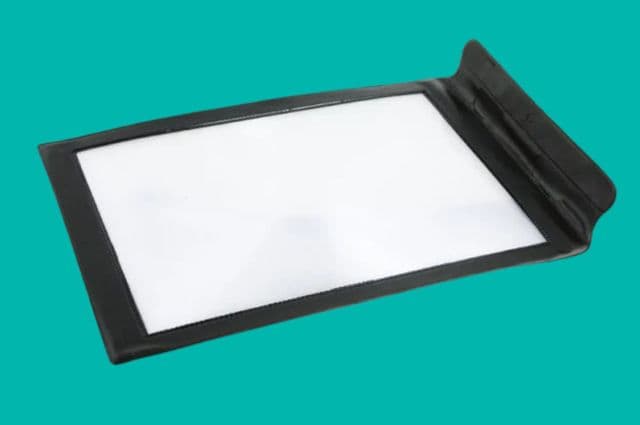
Sheet magnifier
This item is useful for people with impaired vision. It assists with reading large areas of print and works best when the user holds it close to the page.
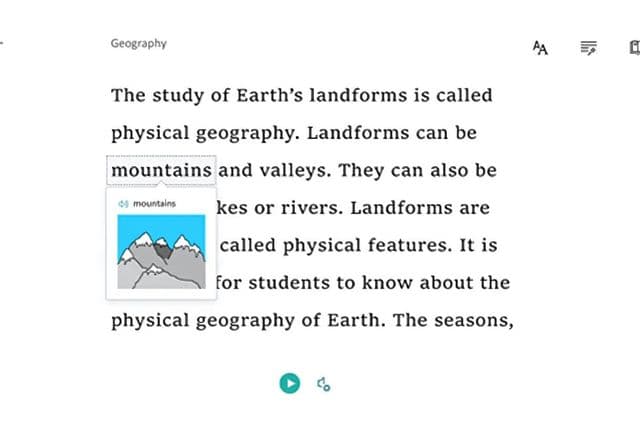
Immersive reader
These tools are useful for people who find it difficult to read content on digital devices. Available on most devices, these tools read text out loud for the user.
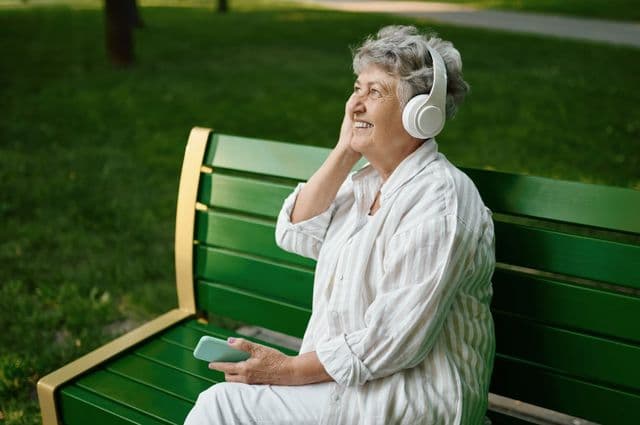
Audiobooks
Audiobooks are a good option for people who find it difficult to hold books or read print. Users can listen to them on dedicated audio players or on the go through smartphone apps.

Handheld magnifier
This item can be suitable for people with low vision to read small amounts of text. For example, it can help enlarge food labels, word puzzles, social media posts, and so on.
AT for television
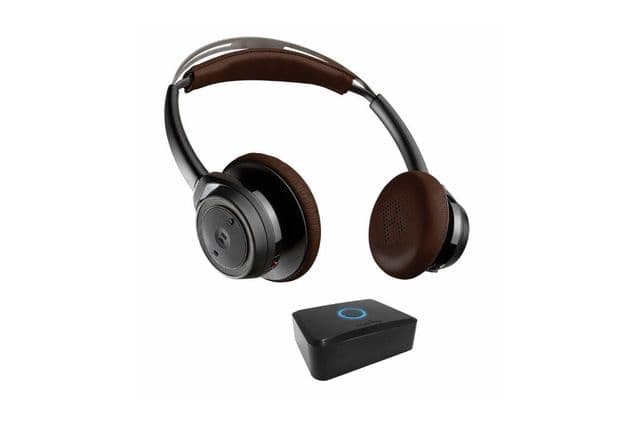
TV headphones
These headphones are beneficial for people who find it difficult to hear the TV. They allow the user to amplify the sound of the TV without changing the volume for everyone else.
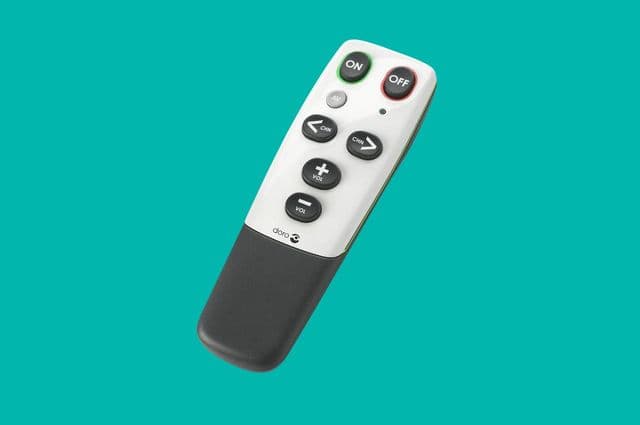
Simple TV remote
These remotes can support people with low vision and those who find it hard to navigate lots of buttons. They only come with a few large buttons for basic functions.
AT for puzzles and games
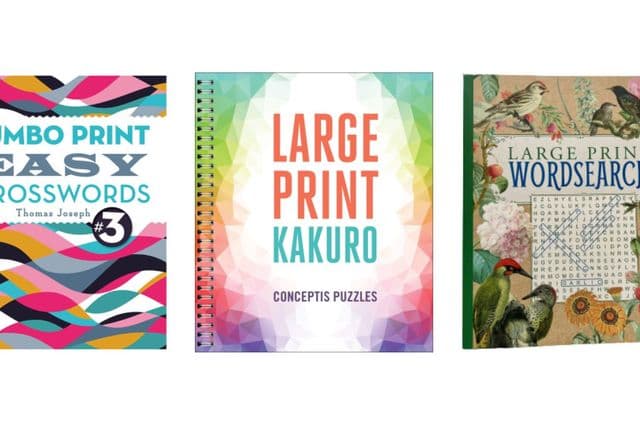
Large-print puzzles and board games
Many word puzzles (such as crosswords and sudoku) and boardgames (such as Scrabble) are available in large print. This can support people with low vision to enjoy taking part without eye strain.
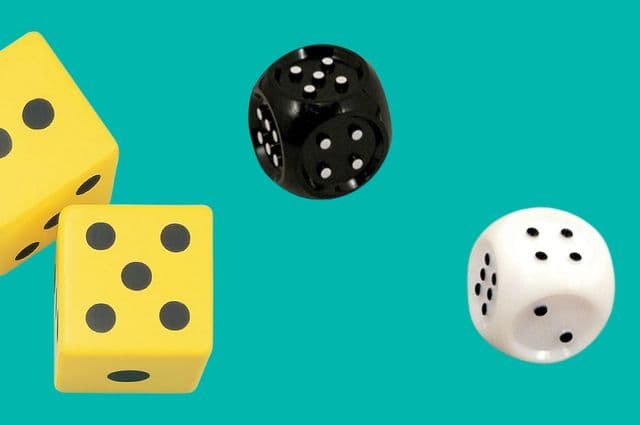
Modified dice
Dice with raised numbers or contrasting colours can be useful for people with low vision.
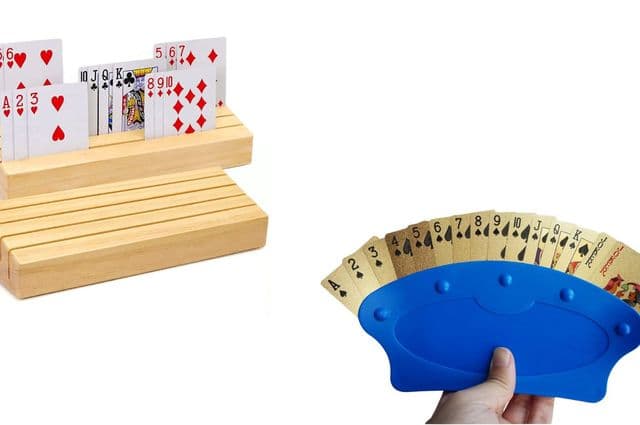
Card holders
Card holders can be well suited for people with fatigue, joint pain, or poor hand control. They allow players to spread out cards and see them more easily.
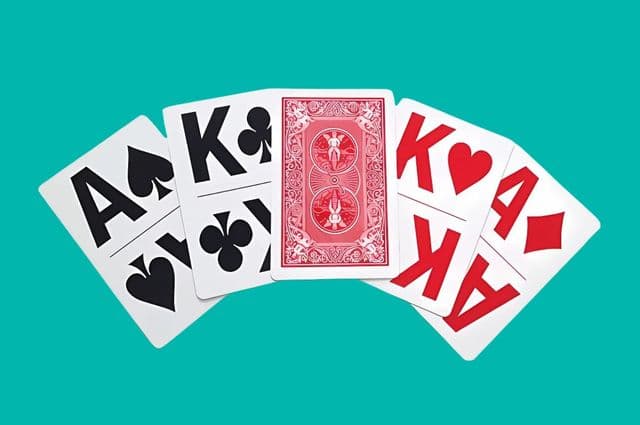
Large playing cards
Large playing cards are great for people who find it hard to hold or read the numbers on standard playing cards.
AT for arts and crafts
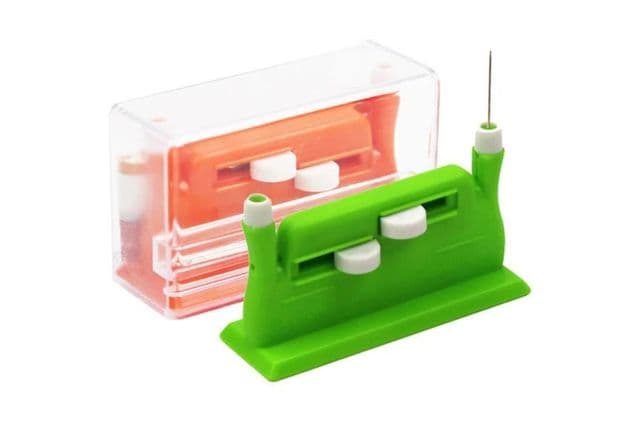
Needle threader
This item can be helpful for people with low vision or those who find it difficult to make small hand movements. With one button, this item can push the thread through the eye of a needle.
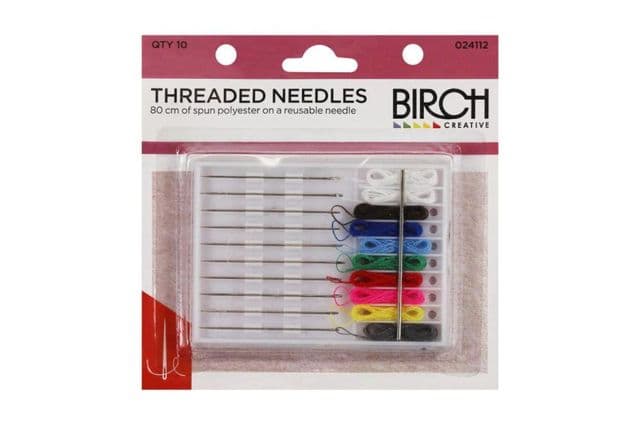
Threaded needles
Threaded needles are helpful for people with poor vision. They're also great for people who can't move their fingers in precise ways. Already threaded, these needles allow the user to start sewing immediately.
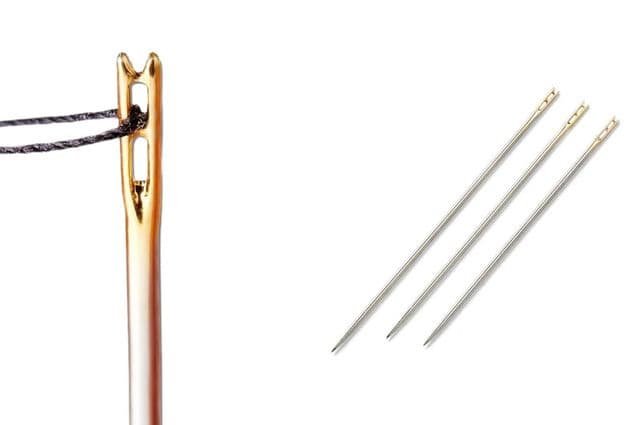
Easy needles
These needles can support people with limited vision or limited use of their fingers. They have a small gap at the top of the eye that allows the user to pull the thread through.
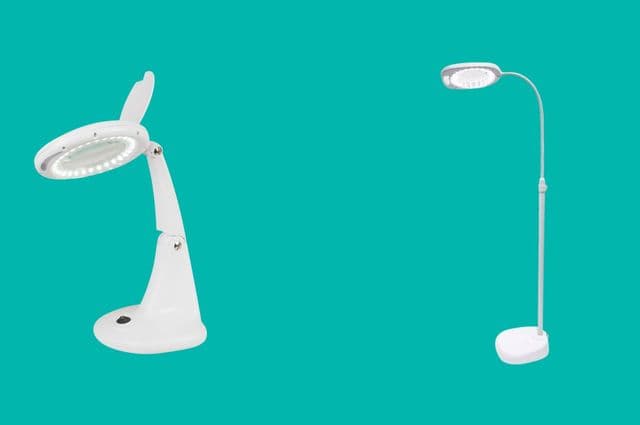
LED magnifying lamps
Magnifying lamps are available as both desktop and floor models. They help people focus on tasks without hurting their eyes or getting tired. These tasks can include reading, word puzzles, and needlework.
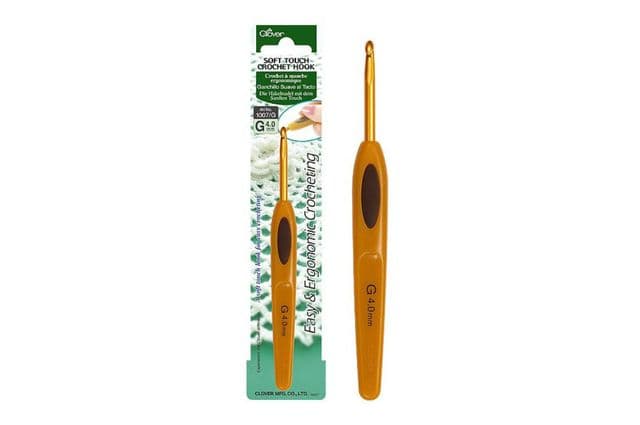
Arthritic crochet hooks
These crochet hooks are ideal for people with arthritic hands. They have large handles with soft grip. This can help reduce pain and muscle fatigue while improving efficiency.
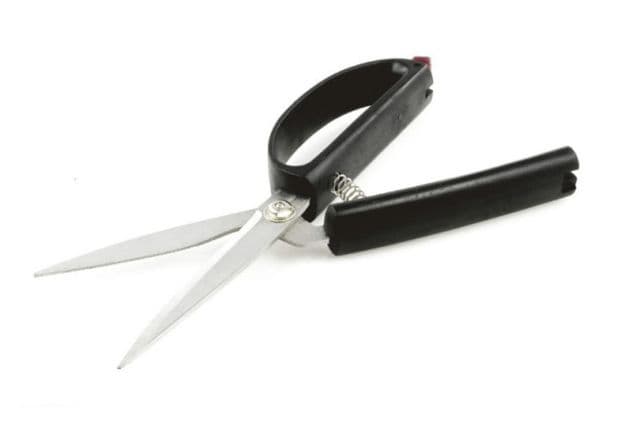
Self-opening scissors
These scissors can benefit people who deal with joint pain in the thumb or fingers. They can also benefit people who get muscle tiredness. When the user releases their pressure, the handles automatically open.
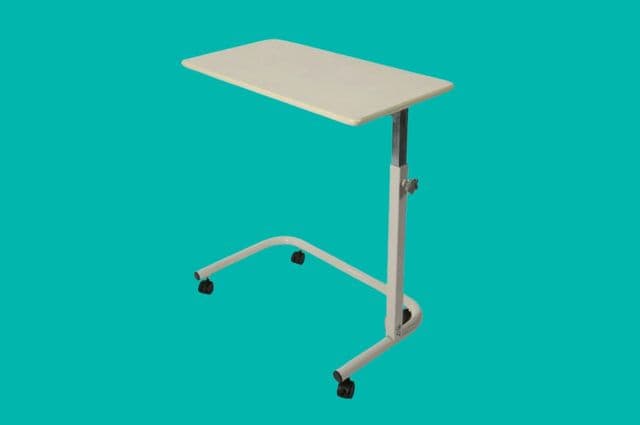
Stable table
When sitting in a chair, people can use this table as a stable platform for different tasks. It can support their arms and reduce tiredness from small hand tasks, like crafting.
AT for sports
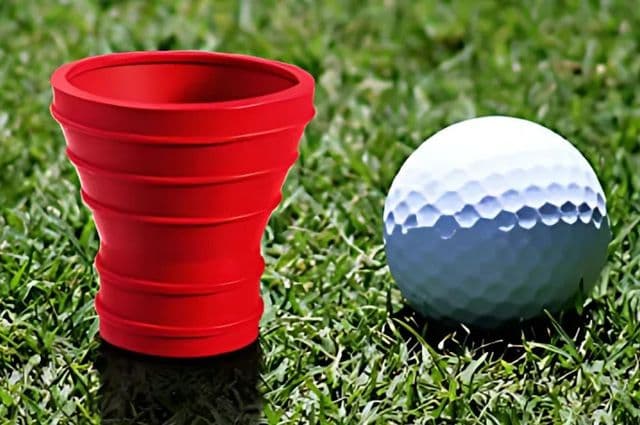
Golf-ball pick-up suction cup
This rubber cup is ideal for people with poor balance or tiredness. Users can attach it to the end of their golf club to pick up golf balls without bending down.
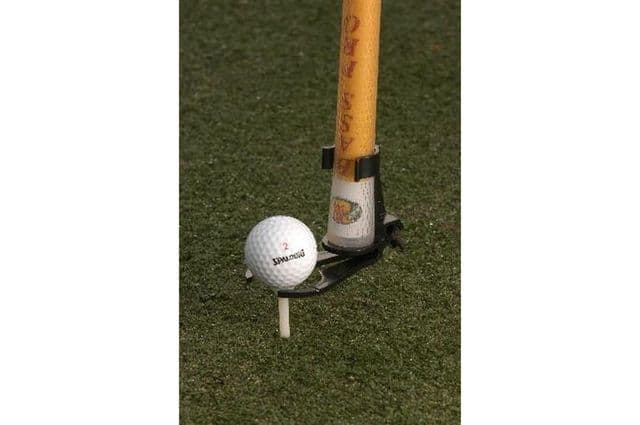
Golf tee pickup and placement
This device is suitable for people who find it difficult to bend down. Available in a variety of styles, this device helps place and pick up golf balls and tees.
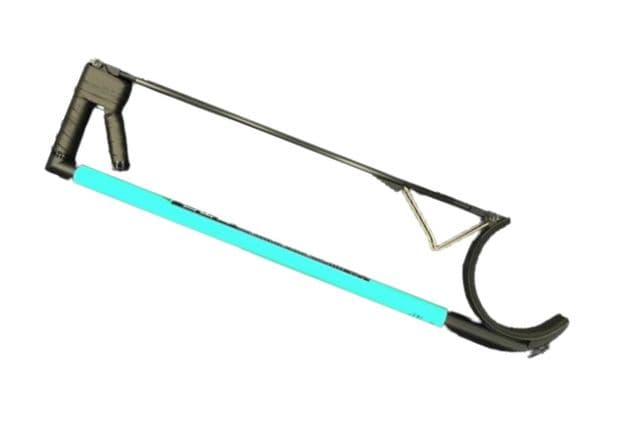
Bowling arm
This item is a good fit for people with hip and knee pain affecting their bowling posture. It allows users to roll lawn bowls without having to bend down too far.
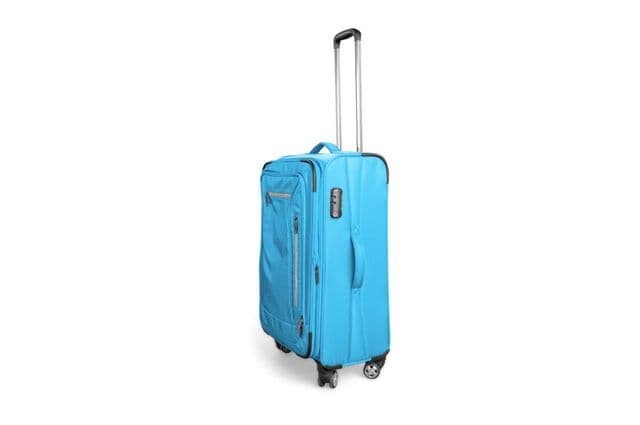
Lawn bowls trolley bag
This trolley bag is helpful for people with reduced strength or endurance. It can allow them to get their equipment to the bowling green. People with serious mobility issues should consider talking to a physiotherapist before buying this item.
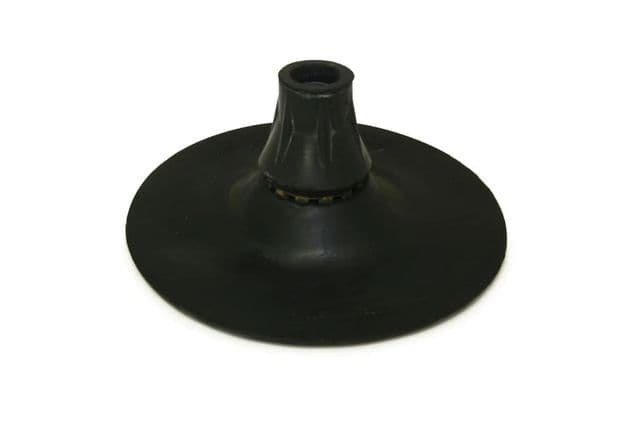
Lawn bowls ferrule
People with walking sticks can attach this rubber disc to the bottom of their stick. It enables them to use their walking stick on the bowling green without damaging the green.
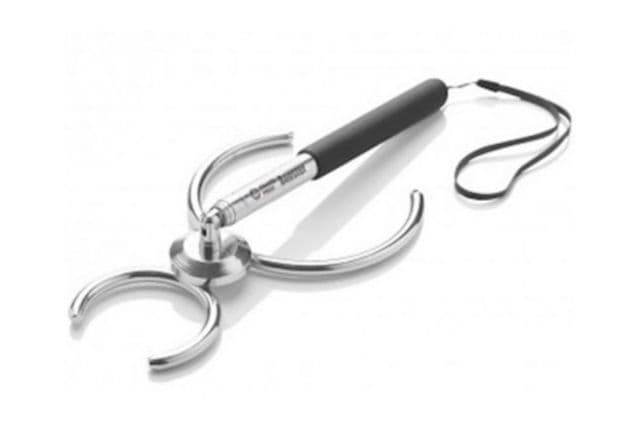
Lawn bowl and jack lifter
This item can help people with poor balance or tiredness. It allows users to pick up lawn bowls and jacks without bending down. With a retractable arm, it can fit into lawn bowls bags with ease.
AT for fishing
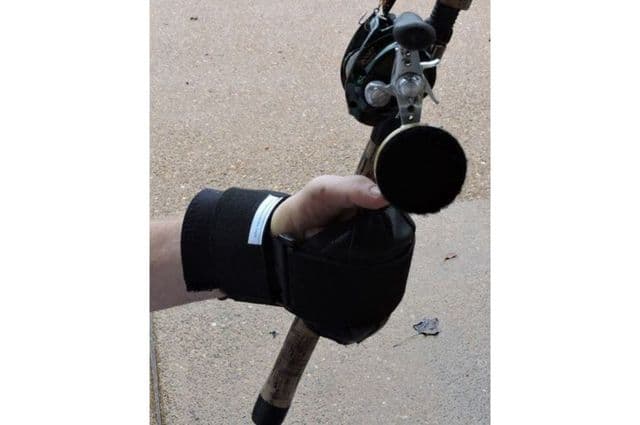
Fishing rod grasping cuff
This device is a wonderful help for people with poor grip strength or joint pain in their hands. It has Velcro straps that attach the hand to the fishing rod so it can be held with minimal effort.
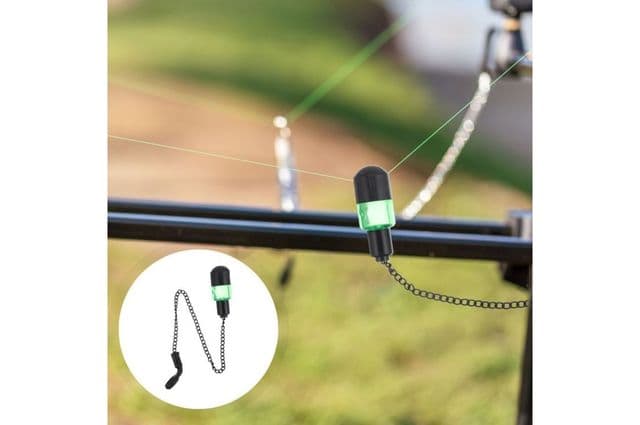
Bite indicators for fishing
These devices are worthwhile for people with low vision. They vibrate or provide an audible alert when there's a tug on the fishing line.
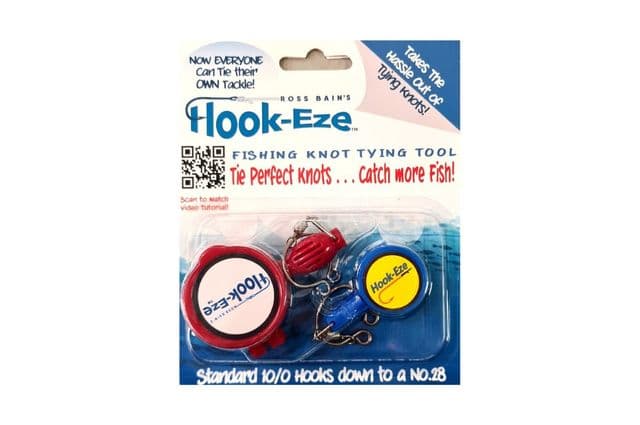
Knot tying tool
This device can benefit people who have poor movement or feeling in their fingers. It holds and hides the hook. This allows the user to thread and tie the hook without the risk of injury.
Maximise the benefits of this AT with these considerations and reablement strategies:
Useful resources
If you found this page helpful, you may also be interested in the following. These resources provide more detailed advice about the items mentioned here. They also have general tips on how people can stay independent and healthy as they age.
This guide helps older people find and choose simple assistive items for all areas of life. These items are available in everyday online and offline stores. Occupational therapists also share tips on how to use these items the right way.
NED is the biggest database of assistive technology in Australia. It's helpful for users, carers, and health professionals to find, compare, and buy AT.
Next steps
The reablement strategies on this page can help your clients enjoy their hobbies and leisure activities. By supporting this, they can help your clients lead longer, healthier, and more independent lives.
If you want to learn more about using these strategies in your practice, please reach out to us. You can email us at keepable@ilaustralia.org.au or use the 'contact us' button below.
References
Zhao, X., Yu, J., & Liu, N. (2023). Relationship between specific leisure activities and successful aging among older adults. Journal of Exercise Science & Fitness, 21(1), 111-118. https://doi.org/10.1016/j.jesf.2022.11.006