
What is low-risk AT?
Using low-risk AT is a reablement strategy. It provides practical support for older people to do things for themselves.
This page will explore low-risk AT and other reablement strategies that older people can use to participate in kitchen tasks.
By the end of this page, you'll be able to help your client identify AT and other reablement strategies that can help to support their independence.

Why use low-risk AT to help older people perform daily kitchen tasks independently?
Being able to cook and prepare food is important for everyone's health. Yes, food gives nourishment. But there's also another, less obvious benefit. Making food gives people a chance to stay active and practise everyday skills.
It involves activities such as:
- Choosing recipes
- Chopping ingredients
- Preparing meals
This can help maintain:
- Hand strength and coordination
- Concentration and problem-solving skills
- Confidence and independence
Examples of helpful AT for different kitchen tasks
Here are some examples of AT you can use for various tasks and challenges in the kitchen, including:
- Pouring and measuring liquids
- Opening cans, jars, and packaging
- Improving safety
- Food preparation
- Cooking or preparing food with vision impairment
Please note that while brand names may appear on this site, their inclusion does not imply our endorsement. Branded images are sourced from the National Equipment Database (NED).
AT for pouring and measuring liquids
These items can help people who experience difficulty pouring liquids. This could be due to tremors (shaking), poor vision, poor coordination, weakness, or joint pain in their hands and arms. Be sure to ask your client about why they're having trouble. That way, you can more easily find out what support they need.
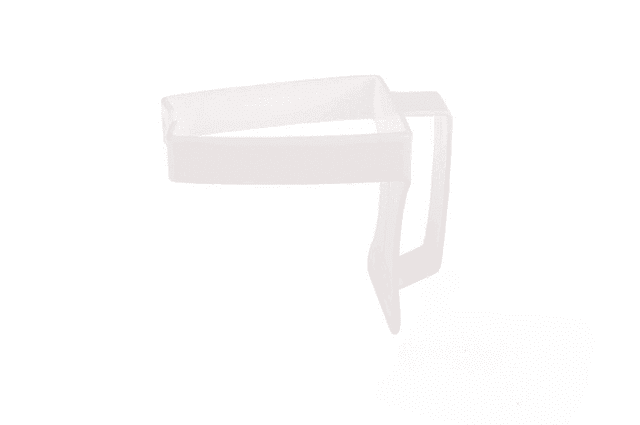
Carton holder
This plastic handle can attach to square cartons. It can help people with small hands or hand weakness to securely lift and pour from the carton.
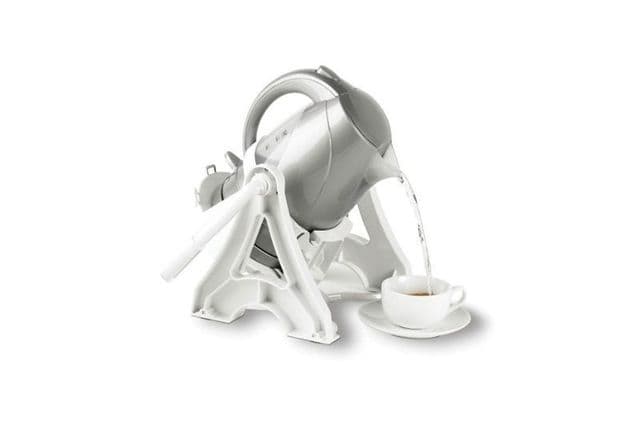
Kettle tipper
This raised tilting platform helps people with weakness, joint pain, or poor coordination pour from their kettle without lifting. It’s ideal for people who don’t want to replace their kettle.
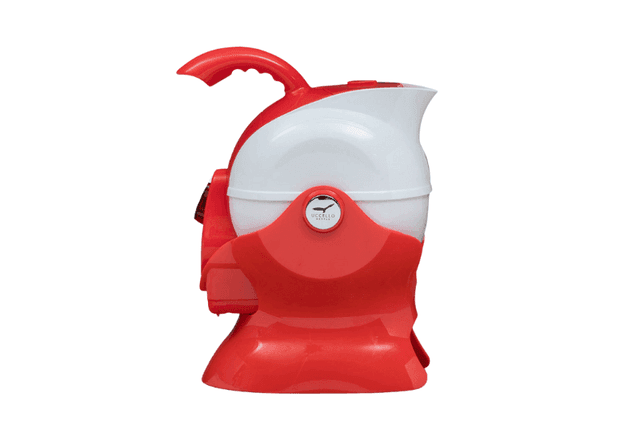
Uccello kettle
This lightweight kettle sits on a rotating base. It allows people with weakness, joint pain, or poor coordination to pour hot water without lifting or straining.
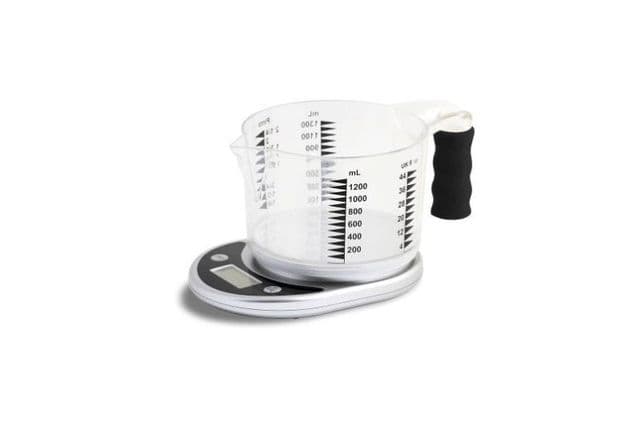
Talking scales
These battery-operated scales may be helpful for people with visual impairments. They speak to the user, announcing in a clear voice how much weight is in the jug.
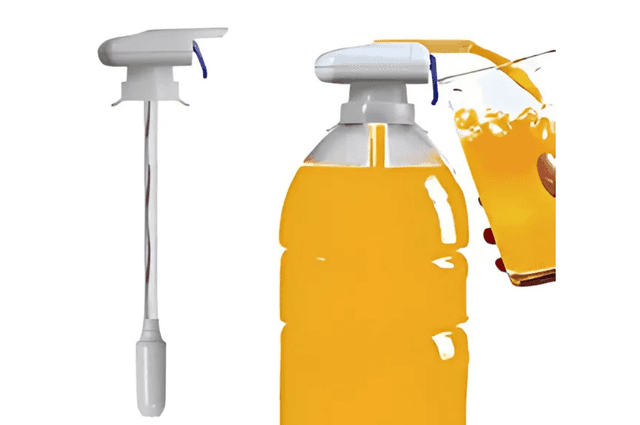
Liquid decanter system
This product allows users to pour liquids directly into a glass without lifting heavy bottles. However, it requires regular cleaning and maintenance by someone with suitable strength and coordination.
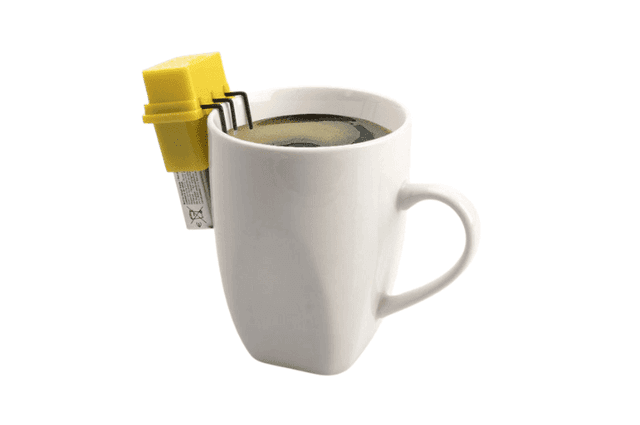
Liquid level finder
This battery-operated device may be helpful for people with visual impairments. It attaches to the rim of a cup and alerts users when the cup is safely full.
AT for opening cans, jars, and packaging
These items can help people who find it difficult to open cans, bottles, jars, and other packaging. This may be due to reduced hand strength, poor coordination, joint pain, or difficulty gripping objects.
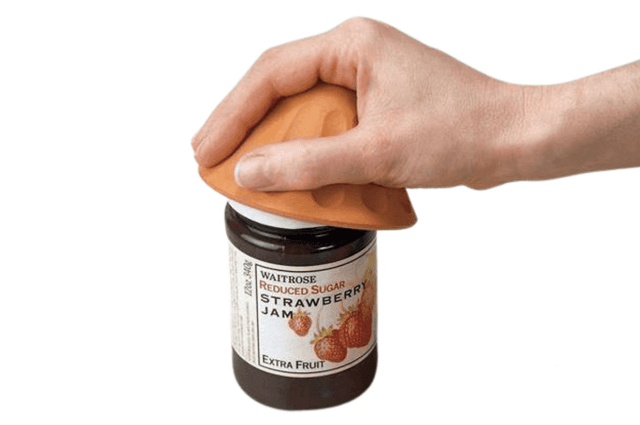
Jar lid gripper
This device allows the user to get a better grip on slippery jar lids. It can help people open jars with less effort while also maintaining strength in their hands and wrists.
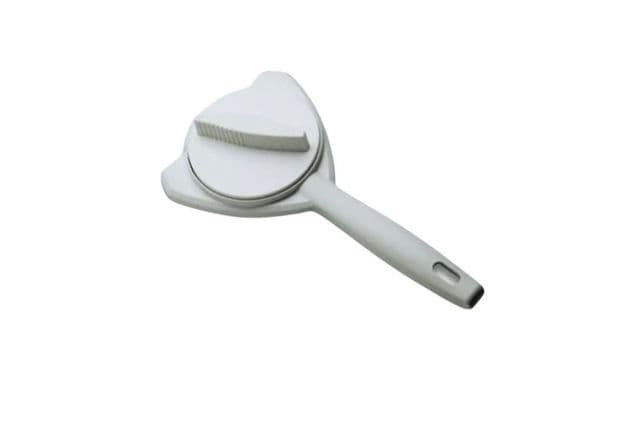
Gripper jar opener
This device has three jaws that can grip jar lids of various sizes, depending on how much the knob is turned. The long handle provides extra leverage for easy opening.
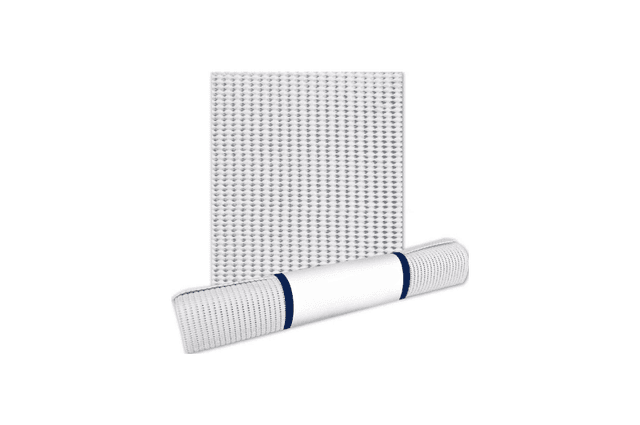
Non-slip mat
Non-slip mats can be used to grip jar or bottle lids. They can also be placed under jars and bottles to enhance their stability and the user’s grip on them. Non-slip mats can often regain their grip after being washed in warm, soapy water and dried thoroughly.
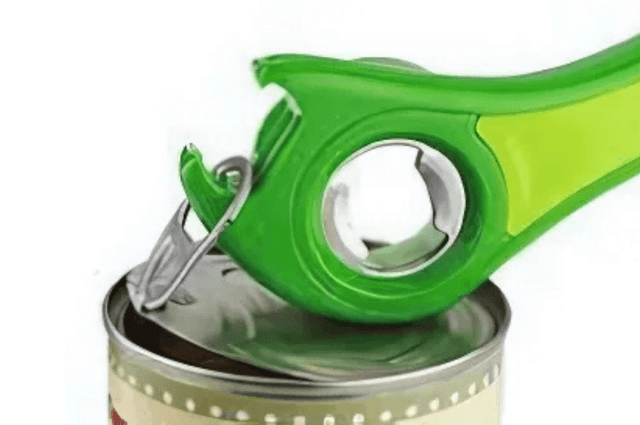
Ring-pull can opener
Helpful for people who have weakness or pain in their fingers, this device offers extra leverage to open ring pull cans without straining the fingers and wrists.
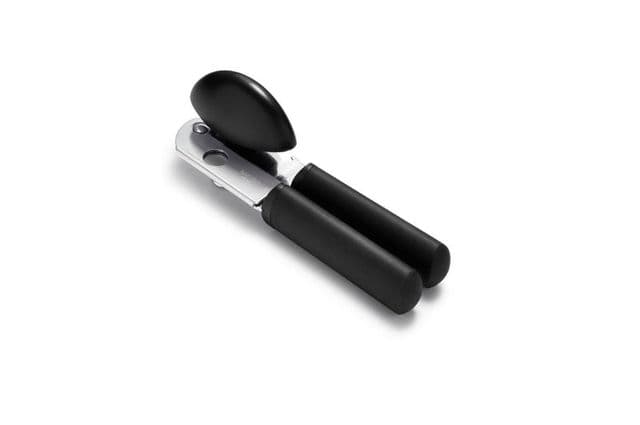
Long-handled can opener
Can openers with large handles offer greater leverage and a more comfortable grip, which can help reduce fatigue and strain in people with sore or weak hands.
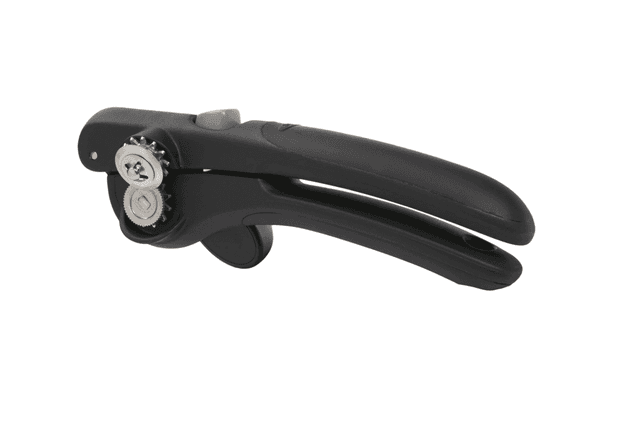
Locking can opener
This device fastens to the top of the can and holds it in place while the user turns the knob, reducing the need for a tight grip and potentially alleviating wrist pain.
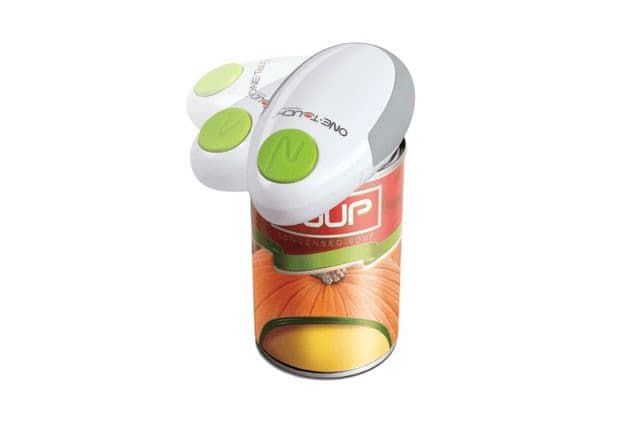
Automatic can opener
This device may be helpful for people with limited potential to improve their hand function. For example, if they have rheumatoid arthritis.
Reablement tip: Before recommending an automatic can opener, check whether the client's current can opener is worn or blunt. A new can opener may solve the problem. Automatic can openers can be helpful when other options are not suitable. However, opening cans by hand can help maintain strength and movement in the hands.
AT for promoting safety in the kitchen
These items can help people with poor coordination, limited use of one hand, or reduced hand and arm strength. They may also help people who lack confidence when handling heavy or hot kitchen items.
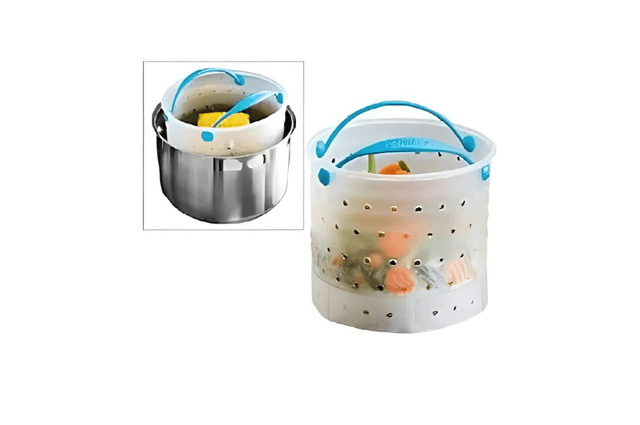
Steamer basket
This lightweight basket eliminates the need to carry heavy saucepans full of hot contents. Before moving the basket around the kitchen, consider placing it on a folded tea towel to dry the base and reduce the risk of spills that can cause slips.
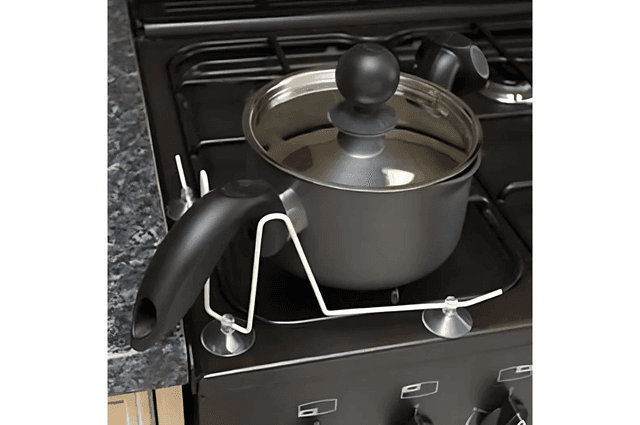
Pan holder
This device has suction cups that stick to the stovetop to help secure pans in place. It can be helpful to people with limited use of one hand, due to factors such as stroke or fracture. This item is not suitable for use with induction hobs.
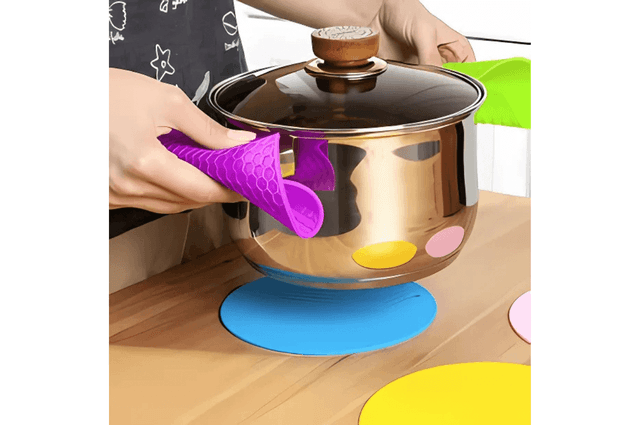
Non-slip silicone mats
These heat-resistant mats can be used under pots and pans to stop them from sliding on bench tops. They are flexible, so they can also be used to grip pot and pan handles securely.
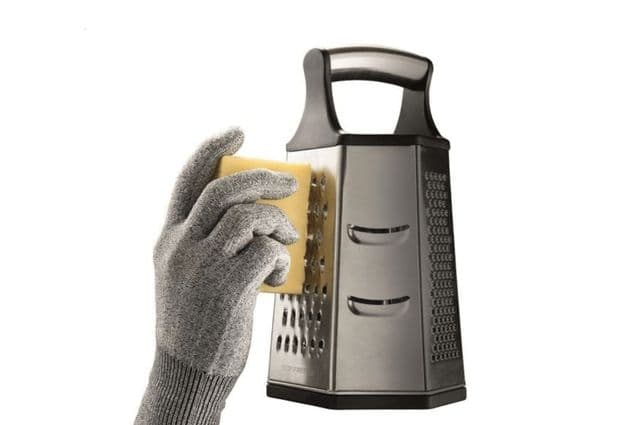
Cut-resistant gloves
These gloves provide a barrier against sharp objects while allowing the hand to move freely. They may be helpful for people with fragile skin or poor coordination.
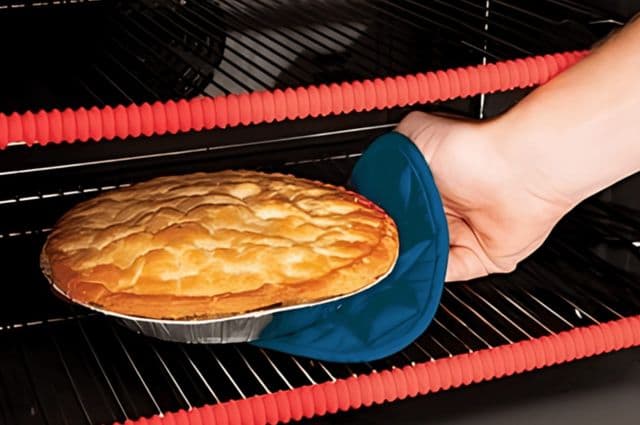
Silicone oven rack guards
These heat-resistant guards attach to the edges of oven racks and protect the hands and arms from burns. Please note that some of these guards are only suitable for use up to 200 degrees.
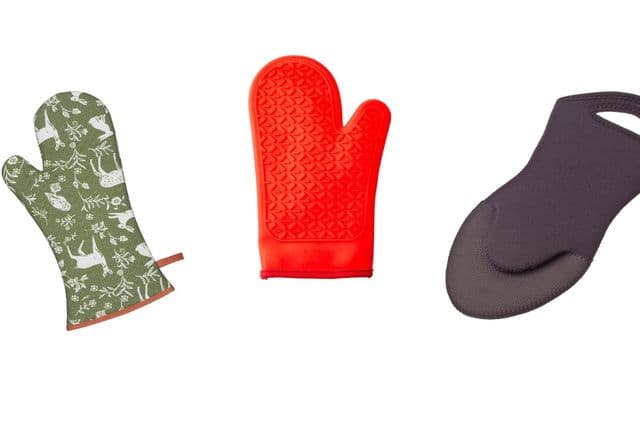
Oven gloves or mitts
Wearable oven gloves can provide a more secure grip when handling hot items. Whether the gloves are made of fabric or silicone is often a matter of personal preference for the user. Fabric gloves may provide more flexibility and grip than silicone styles.
Safety tip: Oven gloves can reduce tactile feedback, so practise safe use with the client.
AT for food preparation
These items can benefit people with poor coordination, joint pain, limited use of one hand, or reduced strength in the hands and upper limbs.
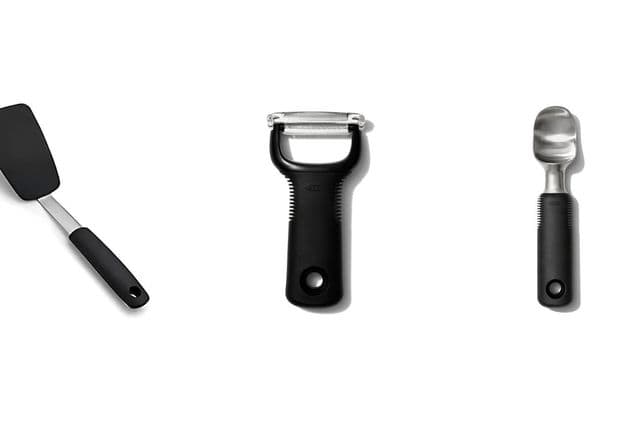
Large-grip or soft-touch utensils
Utensils with large, soft grips can be easier to control. They can reduce strain for people with weakness, pain, or restricted movement in their hands or hand joints.
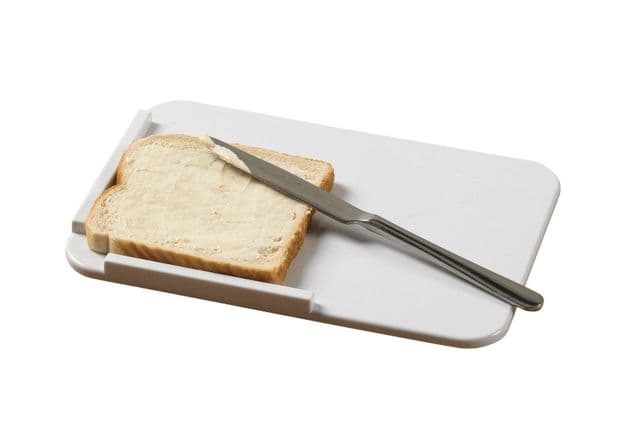
Buttering boards
This device has a raised L-shape in one corner that secures bread in place, allowing the person to apply spreads with one hand. It’s useful for people with limited use of one hand.
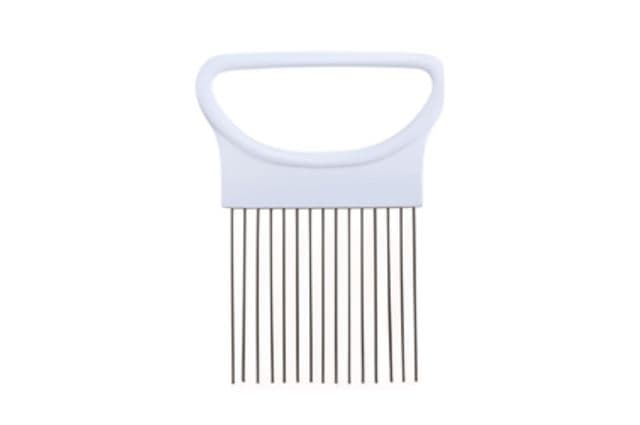
Vegetable holder
This device is useful for people with reduced fine motor skills. It holds the food item in place and guides the knife blade, allowing the user to keep their hand clear of potential injury.
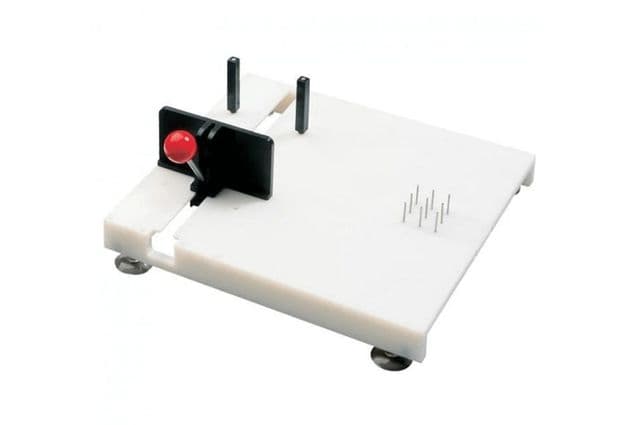
Food preparation boards
This device has four suction feet to secure it to the bench during use. The spikes and clamp components can be used to hold food in place for cutting and peeling.
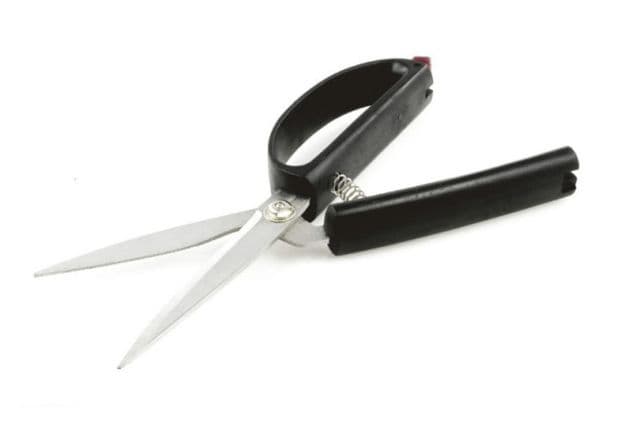
Self-opening scissors
These scissors have a spring-loaded self-opening handle. They can be closed with a light squeeze. They're useful for people with poor coordination or weakness and pain in the hands or hand joints, especially in the thumb.
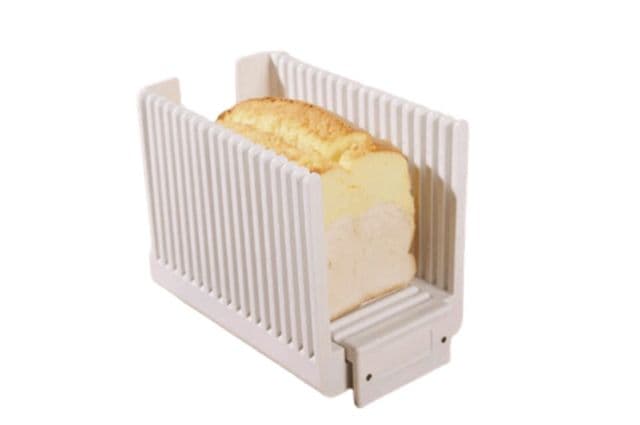
Bread slicing guide
This plastic bread holder and slicing guide allows bread to be sliced safely and accurately. It’s particularly helpful for people with poor coordination.
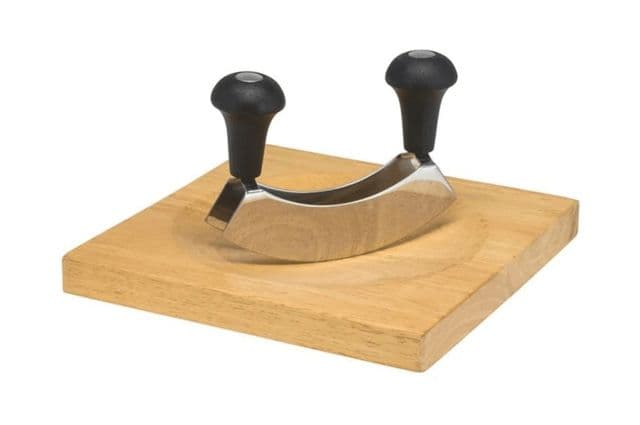
Mezzaluna chopper
Unlike a knife, this two-handled food chopper uses a rocking motion to finely chop herbs quickly and conveniently. It reduces strain on the wrist and finger joints.
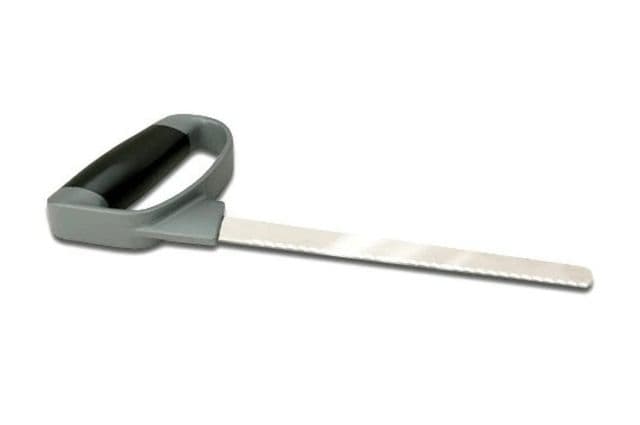
Reflex knives
These knives have an easy-grip handle positioned at an angle from the blade. They allow the wrist to remain in a neutral position, making them useful for people with joint pain and upper limb weakness.
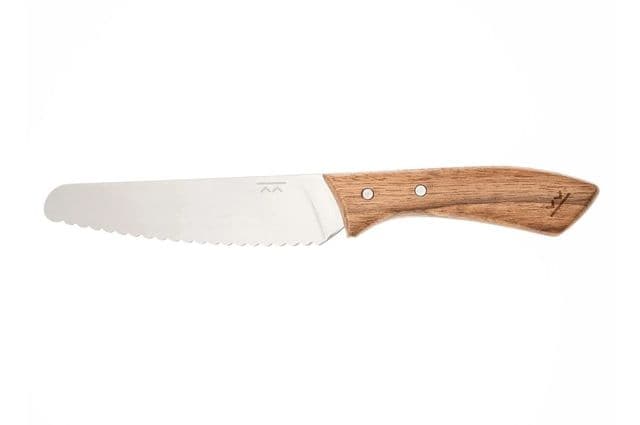
Adult safe knife
This knife has rounded serrations that can cut through all types of food, but not fingers. It’s helpful for adults with visual impairment, movement disorders, or poor coordination.
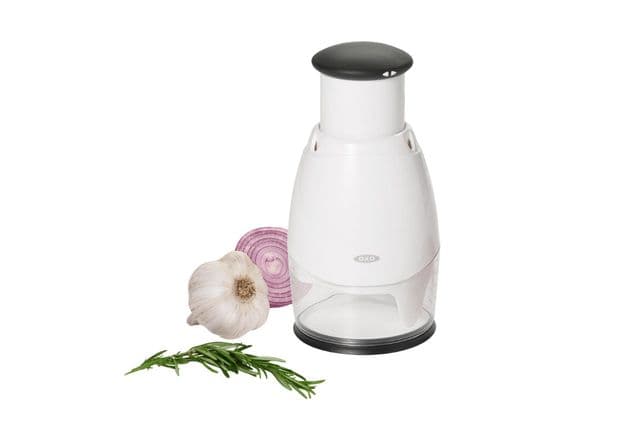
Manual food chopper
This manual food chopper uses a pumping mechanism to chop small items. It’s ideal for people who can no longer use a knife. It can be operated with both hands at the same time to reduce strain on the joints.
Kitchen AT for people with vision impairment
Changes to vision are common with ageing. These items can help people with blurred vision or reduced visual fields. Check care plans for conditions such as cataracts or glaucoma. Some people may have vision problems without a diagnosis. Vision loss can also cause anxiety, so approach conversations with patience and empathy.
Liquid level finder
This battery-operated device attaches to the rim of a cup and alerts users when the cup is safely full.
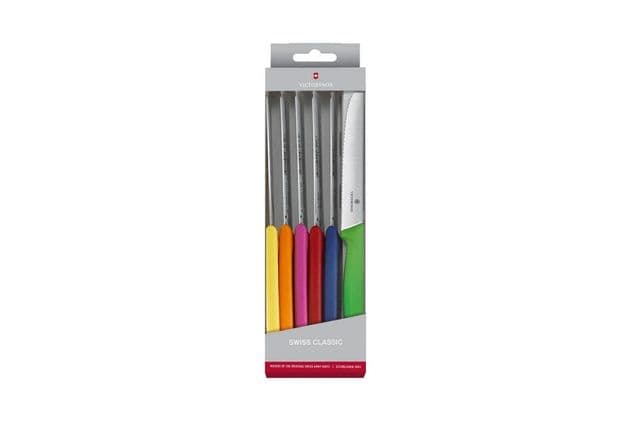
Coloured knives
These knives have distinct handle colours to help users easily identify each knife’s purpose.
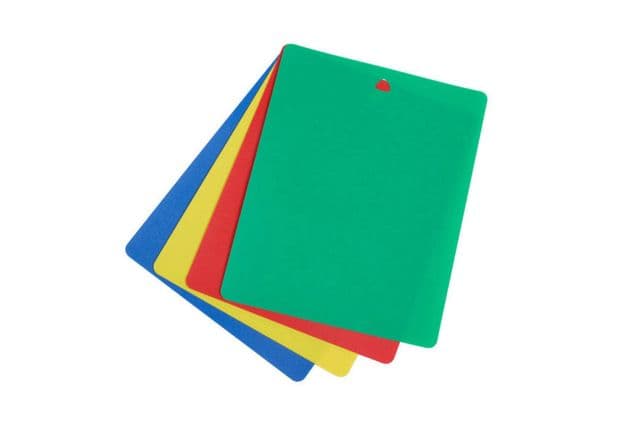
Coloured cutting boards
Create visual contrast between food and the preparation area. Different coloured cutting boards can make food easier to see.
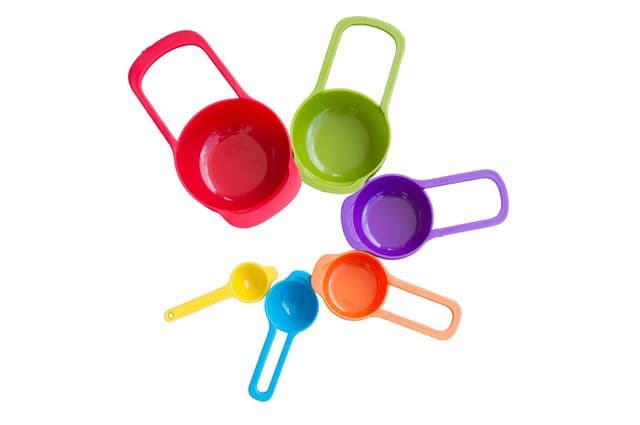
Embossed coloured measuring cups
Differently sized measuring cups can be identified by colour. Many measuring cups also have the size embossed on the bottom.
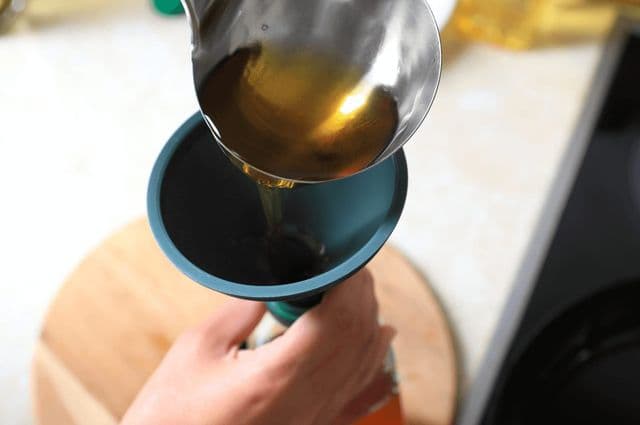
Coloured collapsible silicone funnels
These funnels can help people with low vision pour liquids or dry ingredients into containers with small openings. They fold flat when not in use, so they take up less storage space.
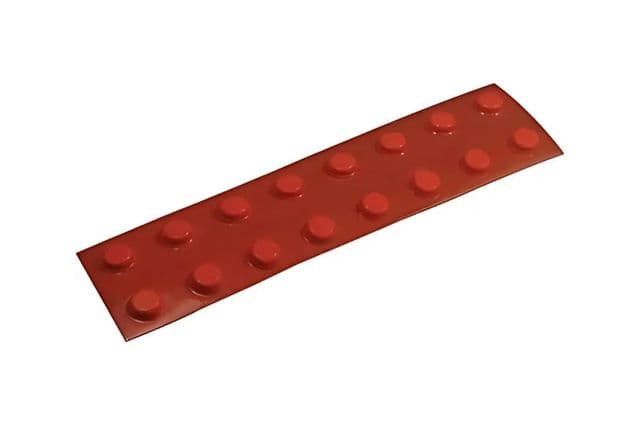
Bump dots
These bump dots are designed for people with low vision. They can be stuck onto important operating buttons, such as the ‘start/stop’ button on a microwave, to provide a touch cue for the user.
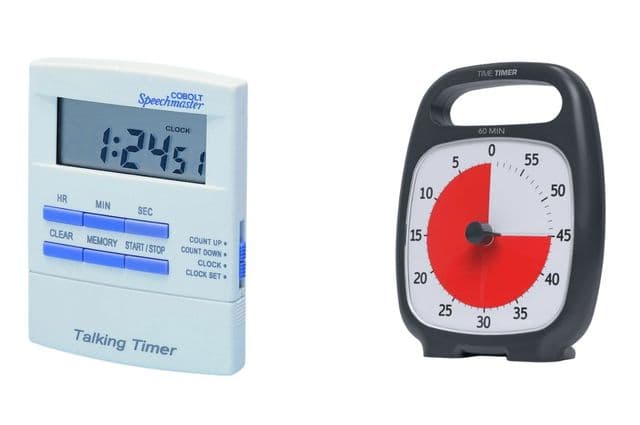
Kitchen timers (vibrating, flashing, or beeping)
These can help people who find it difficult to see clocks, oven displays or microwave timers. Vibrating, flashing, or beeping alerts can make it easier to know when a cooking task is finished.
Cut-resistant gloves
These gloves provide a barrier against sharp objects while allowing the hand to move freely.
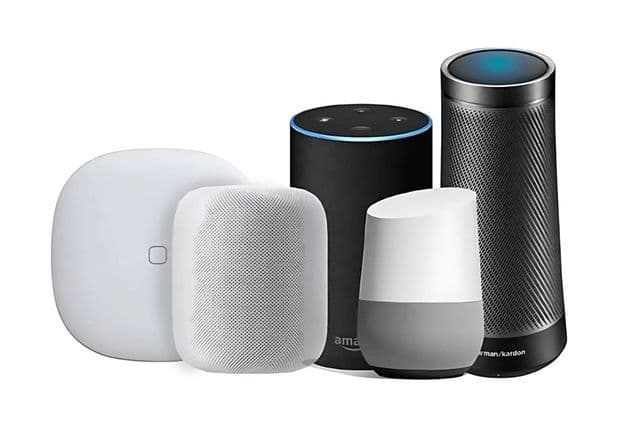
Voice assistants (Siri, Alexa, Google Assistant)
If your client has a smart device, they can use the relevant voice assistant to help with timing and other requests. For example, ‘Hey Siri, set a timer for 10 minutes.’
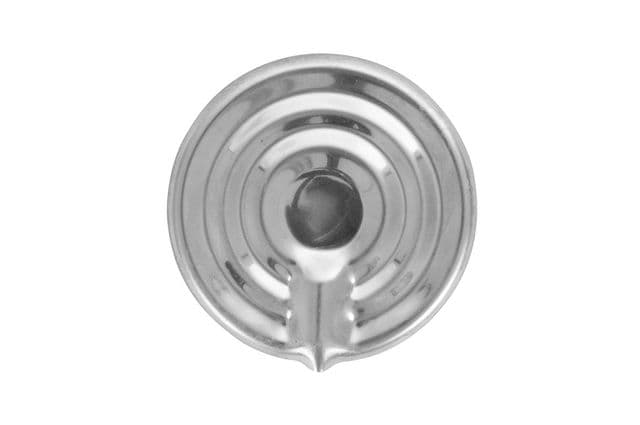
Boil alert disk
If placed at the bottom of a saucepan, this disk makes a rattling sound when the contents are reaching boiling point.
Silicone oven rack guards
These heat-resistant guards attach to the edges of oven racks and protect the hands and arms from burns. Please note that some of these guards are only suitable for use up to 200 degrees.
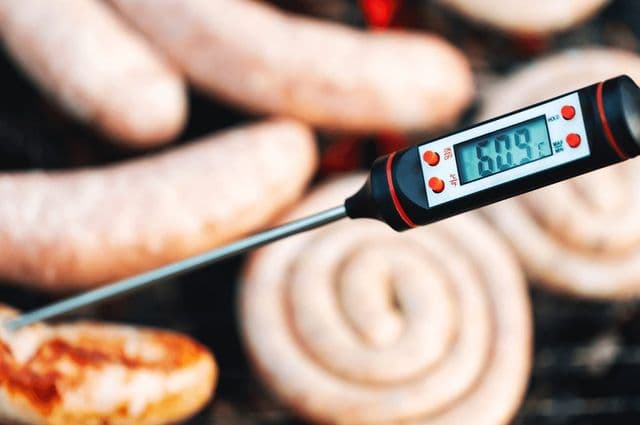
Talking meat thermometer
These measure and announce the internal temperature of the meat. This is vital for food safety and enjoyment.
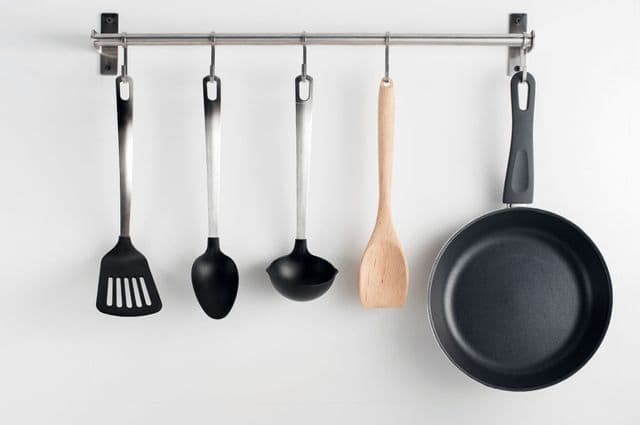
Baskets or utensil hangers
Create an organised and predictable kitchen environment. Keep cupboards and drawers free from clutter. Store utensils in colour-coded baskets or hang them on walls to make them easier to see.
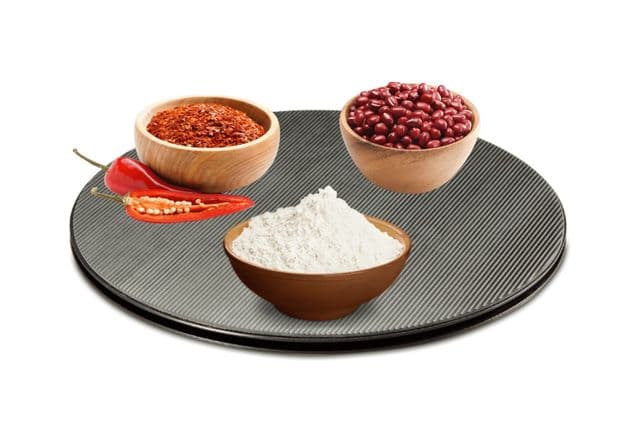
Lazy Susan
Store frequently used ingredients and food items on a Lazy Susan, otherwise known as a rotating server. This makes it easier to find and reach items instead of sifting through a full pantry or drawer. Take care not to overload a Lazy Susan, as it may become unstable.
Talking scales
These battery-operated scales are excellent for people with visual impairment. They speak to the user, announcing in a clear voice how much weight is in the jug.
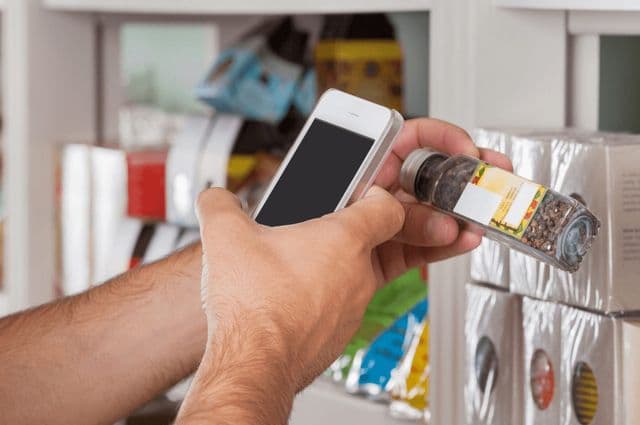
‘Seeing AI’ app
This free app is available for Apple devices. It reads labels and barcodes to identify items. This is especially helpful for distinguishing similar products like tinned tomatoes and beans. Paid alternatives are available for Android users.
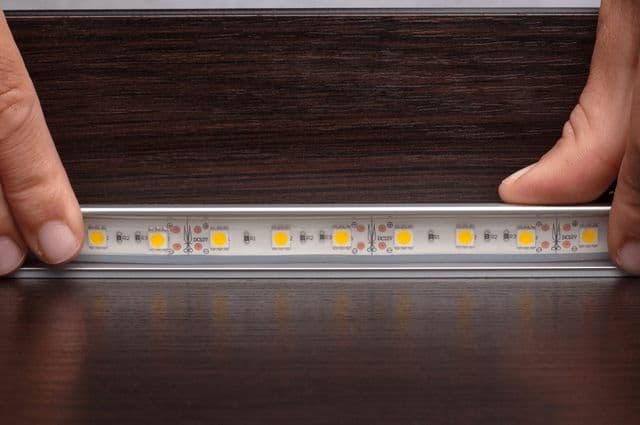
LED strip lighting
LED strip lighting is easily available at hardware stores. It can be installed without an electrician. Placing it under overhead cupboards adds extra light for tasks and eliminates shadows.

Hand-held magnifying glass
These are helpful for reading labels and recipes. They can also be purchased with built-in LED lighting.
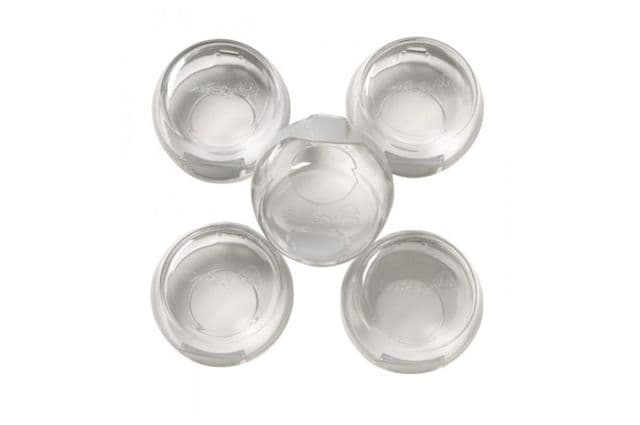
Stove knob guard
Place these clear plastic domes over stove knobs. They can prevent the knobs from being knocked or bumped. This stops the temperature settings from being changed unintentionally.
Maximise the benefits of using kitchen AT with these considerations and reablement strategies:
Useful resources
If you found this page helpful, you may also be interested in the following. These resources provide more detailed advice about the items mentioned here. They also have general tips on how people can stay independent and healthy as they age.
This guide helps older people find and choose simple assistive items for all areas of life. These items are available in everyday online and offline stores. Occupational therapists also share tips on how to use these items the right way.
Our Sector Support and Development team researched and created these guides. They will help you understand key parts of wellness and reablement. They will also help you share the benefits of wellness and reablement with your clients.
NED is the biggest database of assistive technology in Australia. It's helpful for users, carers, and health professionals to find, compare, and buy AT.
Next steps
The reablement strategies on this page can help your clients perform essential kitchen tasks by themselves. By supporting this, they can enhance your client's dignity, confidence, and potential to age well.
If you want to learn more about using these strategies in your practice, please reach out to us. You can email us at keepable@ilaustralia.org.au or use the 'contact us' button below.