What is low-risk AT?
Using low-risk AT is a reablement strategy. It provides practical support for older people to do things for themselves.
This page will explore low-risk AT and other reablement strategies that older people can use to participate in laundry tasks.
By the end of this page, you'll be able to help your client identify AT and other reablement strategies that can help to support their independence.
Why use low-risk AT to help older people perform essential laundry tasks independently?
Being able to clean clothes and linens independently is important for a person’s quality of life.
Doing laundry tasks helps people maintain their personal hygiene and contributes to:
- A tidy living environment free from hazards
- A sense of routine
- Feelings of pride and self-confidence
Examples of helpful AT for different laundry tasks
Here are some examples of AT you can use for various tasks and challenges in the laundry, including:
- Washing
- Drying
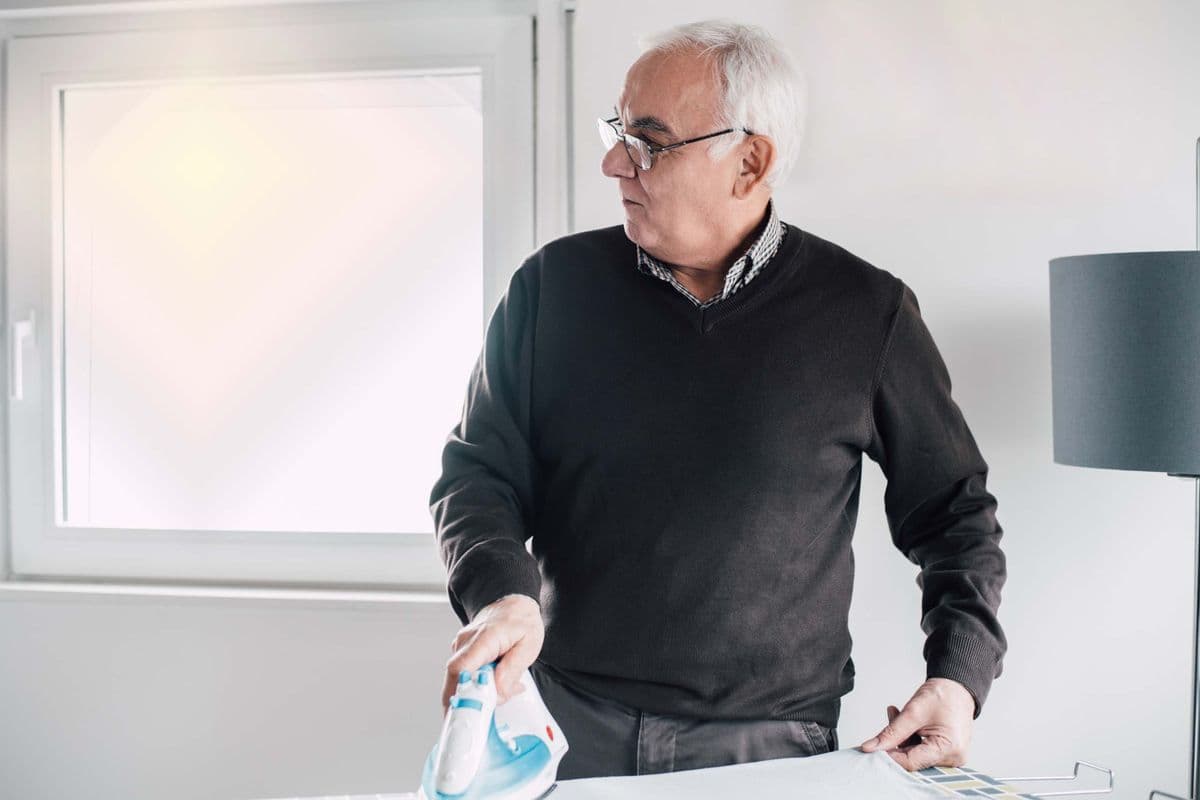
- Ironing
Laundry can be a challenging task for many reasons. The items listed on this page can help people having difficulty due to pain, weakness, fatigue, vision impairment, and poor balance or fear of falling.
Please note that while brand names may appear on this site, their inclusion does not imply our endorsement. Branded images are sourced from the National Equipment Database (NED).
AT for washing clothes
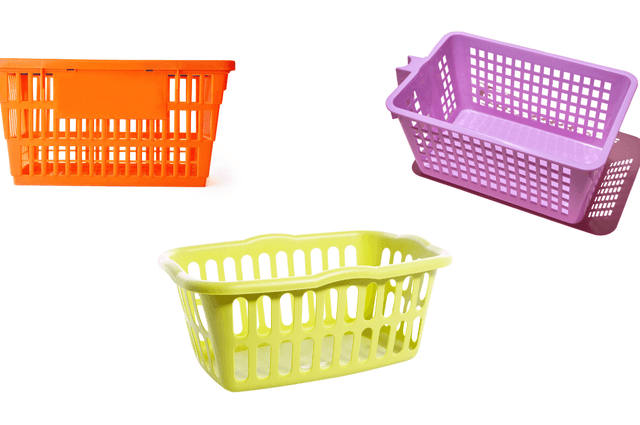
Sorting baskets
Use colour-coded baskets to sort clothes before they go into the washing machine. This can help older people who have difficulty lifting, carrying, or moving items.
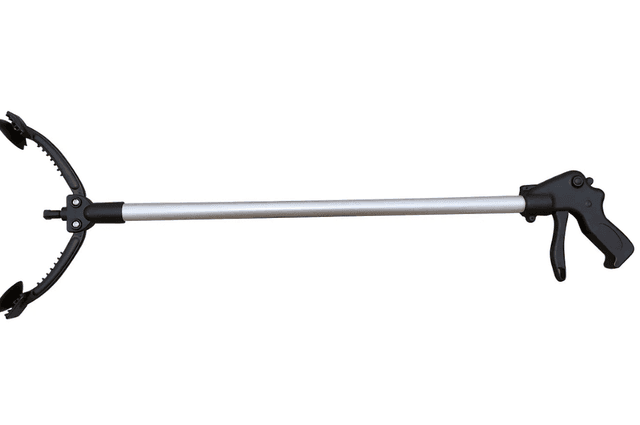
Heavy-duty, long-handled reacher
These reachers assist people with hip, knee, or back pain, or concerns about their balance. They can be used to reach clothes in machines below waist height without bending.
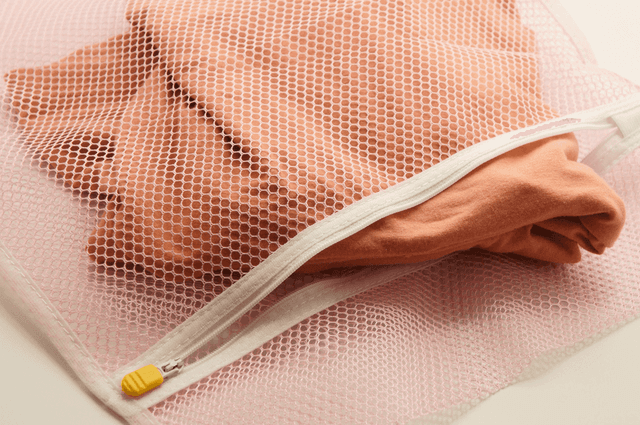
Mesh wash bags
These mesh wash bags hold multiple clothing items. They can be helpful for people who want to avoid repeatedly bending down to the washing machine or dryer. However, they may be heavier when unloading wet clothes.
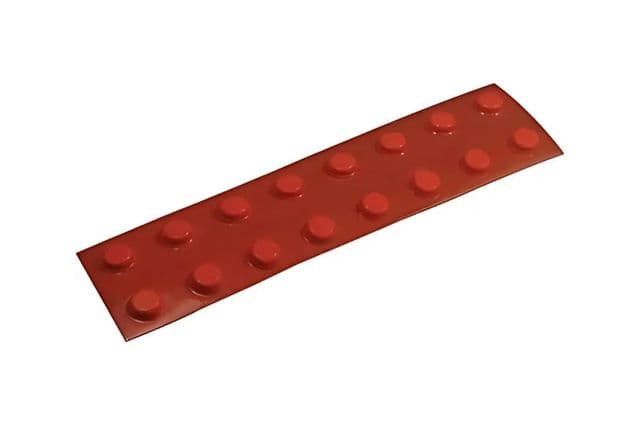
Bump dots
These can be placed on the washing machine or dryer to show commonly used functions, such as the 'Start' button. This can make it easier for visually impaired people to press the right button.
AT for drying clothes
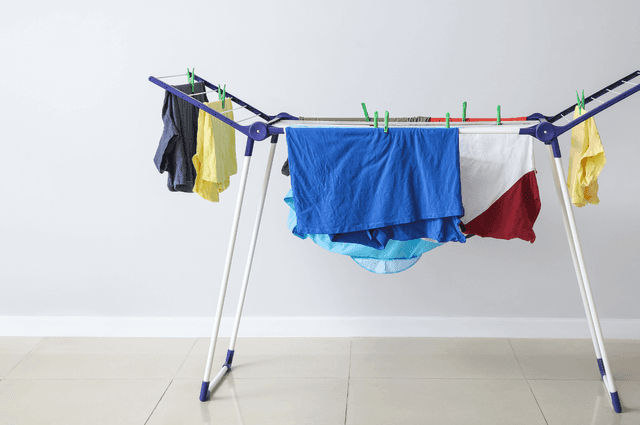
Free-standing drying racks
These are great for people who can't reach high. They come in various sizes, including those for sheets. Users must make sure the rack is in a secure position and avoid using it for balance. Users should also exercise caution in high winds, as the rack may blow over.
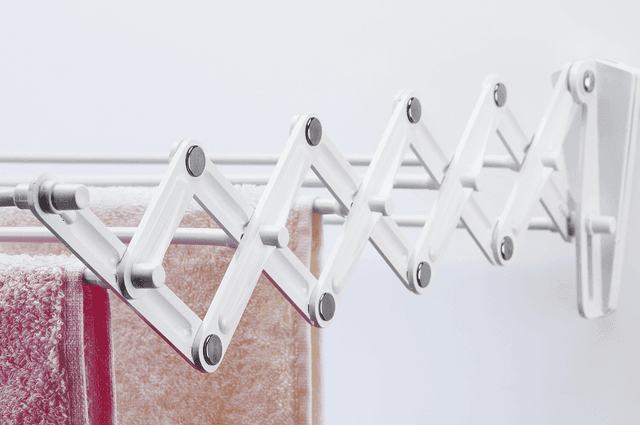
Wall-mounted drying racks
These are great for people who cannot reach high to hang clothes, as they can be installed at the desired height. They are also helpful for drying small loads. They can be installed indoors or outdoors under cover, so your client won't have to rely on good weather and can avoid hazards in the garden.
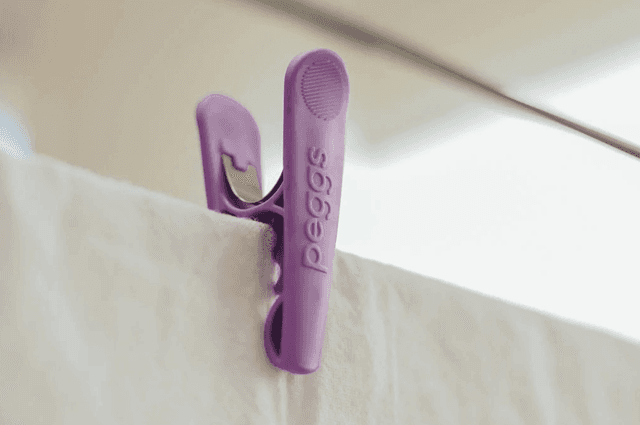
Arthritis-friendly clothes pegs
These pegs are helpful for people with sore joints or weakness in their hands. They have a soft grip and a broad holding surface, requiring little pressure to use.
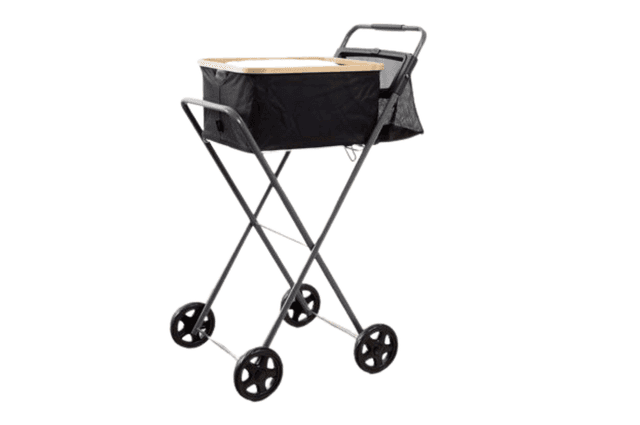
Laundry trolleys
These are helpful for people who lack the strength or balance to carry a basket. They eliminate bending while hanging out laundry and can be used indoors to transport clean clothes between rooms.
Note that laundry trolleys should not be used in place of a walking aid.
Reablement tip: When considering wall-mounted or free-standing drying racks, think about the person's home environment. Is there enough space to move safely around the rack? Will it be protected from strong winds? Considering these factors can help you suggest AT that suits the person's unique needs.
AT for ironing clothes
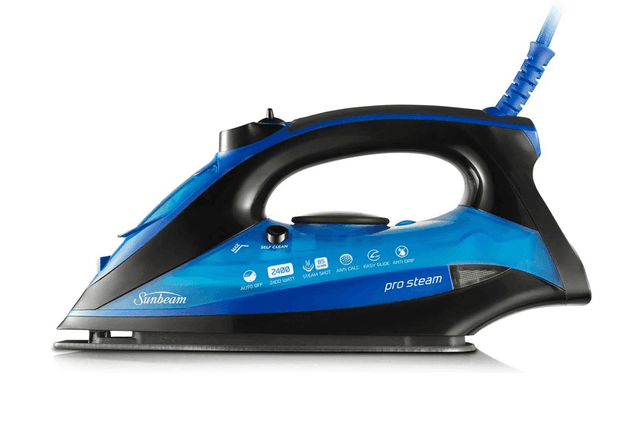
Lightweight Iron
These are helpful for people with upper limb weakness or joint pain. If your client is having difficulty holding their existing iron, consider lighter options. Ensure the base of the iron is easy glide.
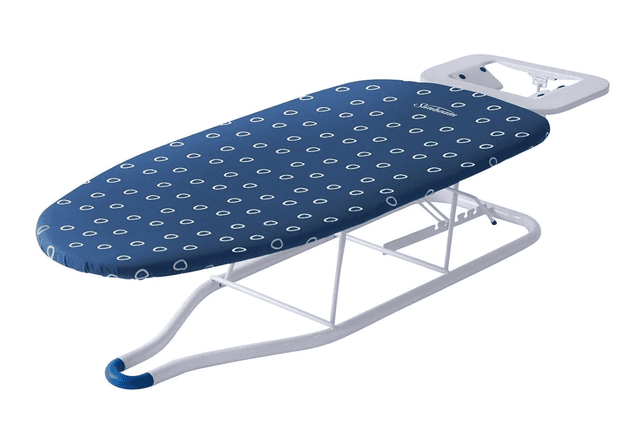
Tabletop ironing board
These eliminate the need for heavy boards and reduce floor clutter. Check the surface where the board will be placed, as a non-slip mat may be required to prevent slipping or scratching.
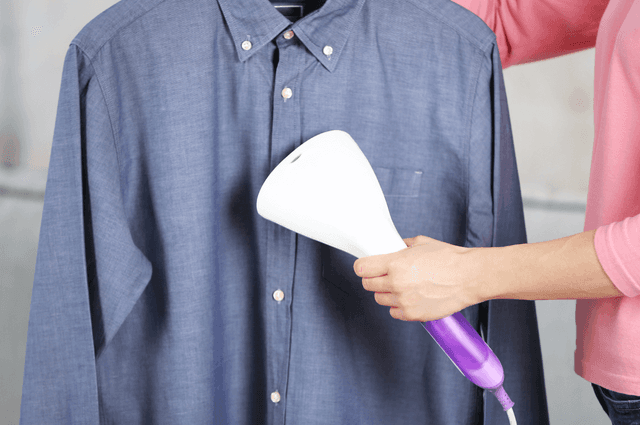
Garment steamer
Garment steamers can be handheld or part of a station. They eliminate the need for an ironing board, allowing clothing to hang at a convenient height for those with restricted movement.
Garment steamers can still be heavy and require a sustained hold on the trigger during use. They should be used with caution by people who have joint pain in their hands.
Maximise the benefits of AT in the laundry with these considerations and reablement strategies:
Useful resources
If you found this page helpful, you may also be interested in the following. These resources provide more detailed advice about the items mentioned here. They also have general tips on how people can stay independent and healthy as they age.
This guide helps older people find and choose simple assistive items for all areas of life. These items are available in everyday online and offline stores. Occupational therapists also share tips on how to use these items the right way.
Our Sector Support and Development team researched and created these guides. They will help you understand key parts of wellness and reablement. They will also help you share the benefits of wellness and reablement with your clients.
NED is the biggest database of assistive technology in Australia. It's helpful for users, carers, and health professionals to find, compare, and buy AT.
Next steps
The reablement strategies on this page can help your clients perform essential laundry tasks by themselves. By supporting this, they can enhance your client's dignity, confidence, and potential to age well.
If you want to learn more about using these strategies in your practice, please reach out to us. You can email us at keepable@ilaustralia.org.au or use the 'contact us' button below.