
Acknowledgement: This article was written by Dr Kaele Stokes, with copyediting by Keep Able. Dr Stokes is Executive Director Services, Engagement and Research at Dementia Australia. Her work focuses on addressing critical healthcare challenges through policy analysis, strategic planning, and systemic advocacy to improve outcomes for individuals impacted by dementia.

A diagnosis of dementia can feel confronting. It’s often joined by stigma, fear, and uncertainty about the future.
Dementia can include conditions such as:
- Alzheimer’s disease
- Vascular dementia
- Lewy body dementia
These conditions can affect memory, thinking, and daily function. However, they do not remove a person’s ability to adapt or participate.
A wellness and reablement (W&R) approach can help people living with dementia maintain their:
- Independence
- Cognitive function (thinking skills)
- Social connection
W&R involves making simple adaptations, or bringing in assistive technology, that can delay the need to increase supports.
Understanding brain health in dementia
A healthy brain has the ability to:
- Think
- Learn
- Remember
- Regulate emotions
In dementia, changes occur in brain cells and the connections between brain cells. This can affect these abilities.
It’s true you can’t change factors like getting older, your genetics, or family history. However, looking after your brain health can make a big difference to reducing or delaying the risk of developing dementia.
Research shows that the brain has neuroplasticity. This is the capacity to form new connections. While dementia is progressive, supportive environments and targeted activities can help people:
- Support their brain health
- Maintain skills
- Sometimes regain lost confidence or function
Understanding support for dementia
Wellness and reablement: a combined approach
A wellness approach to care shifts the focus from ‘what has been lost’ to ‘what is still possible’. It supports brain health through a focus on:
- Physical health
- Emotional wellbeing
- Social connection
- Purpose
Reablement complements this approach with support that is:
- Short-term
- Goal-focused
- Designed to help people relearn skills or adapt to changes
Services and education
There are many services and supports available to people living with dementia and their carers. Organisations such as Dementia Australia can:
- Help people understand dementia
- Suggest strategies to manage changes they may be experiencing
Education and support groups can help people:
- Adapt their lives
- Stay as independent as possible
- Better understand changes that may be happening
These supports are often available regardless of the funding a person receives. They can complement any supports already in place.
Key principles of wellness and reablement
You can implement these in your day-to-day supports of someone living with dementia:

Strengths-based practice
Identify abilities, interests, hobbies, and past skills. Use these to:
- Help meet any new challenges
- Promote ongoing engagement in things the person likes

Goal-oriented support
Work towards meaningful, achievable goals that can:
- Be celebrated when achieved
- Provide a level of confidence to the person living with dementia and their carers
Reinforce that they have many skills they can maintain. By setting small and achievable goals, you can build on skill retention while maintaining the person’s confidence.

Active participation
Focus on doing things ‘with’ rather than ‘for’ the person.
The old phrase ‘if you don’t use it, you lose it’ applies here.
Holistic wellbeing
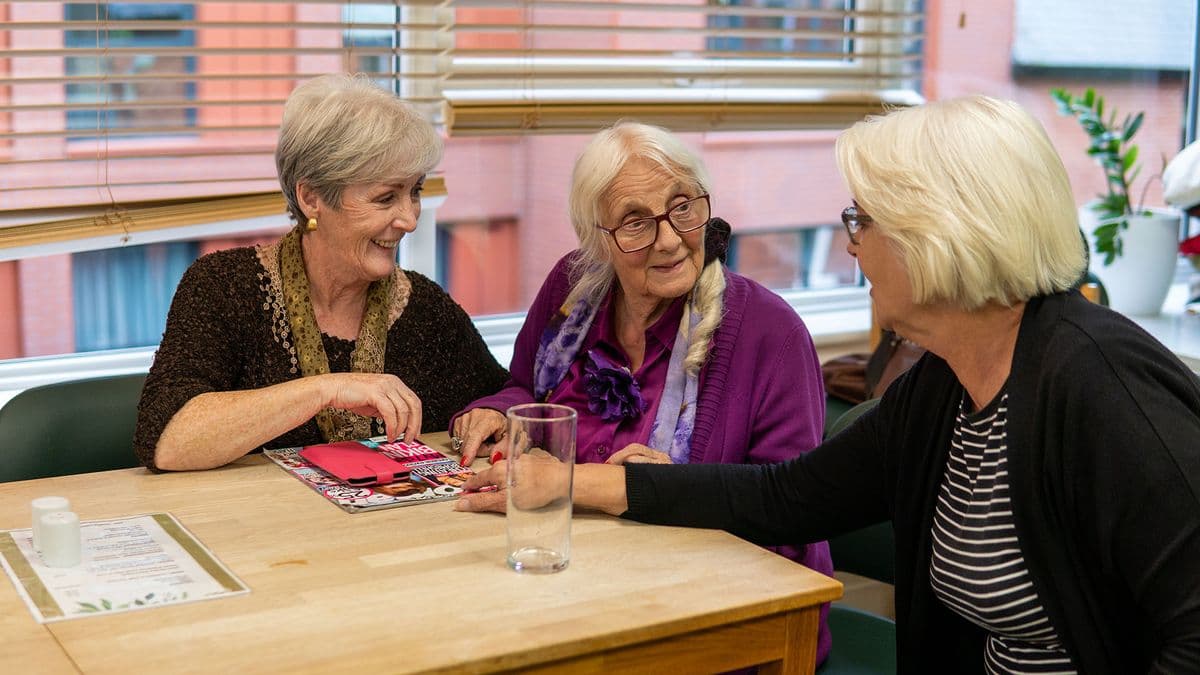
Address the person’s physical, cognitive, emotional, and social health. This helps with wellbeing, connection, and independence. Many sporting, social, and educational groups can enable people living with dementia to participate.
It also doesn’t have to be formal groups that people engage with, if this has not been their past passion. You can support them to stay connected to their community through:
- Visiting cafes
- Going to the library often
- Keeping up with any volunteering they may have done
Environmental support
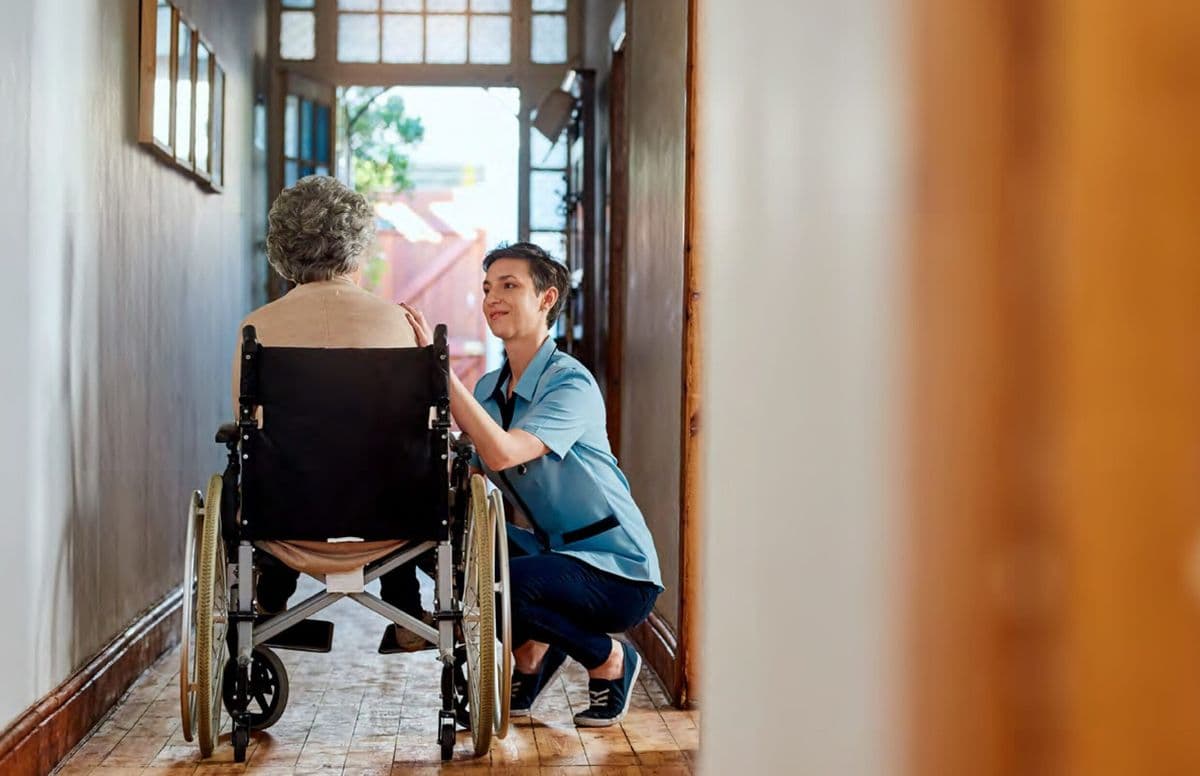
Adapt the person’s surroundings to promote success. Programs such as Dementia Australia’s At Home with Dementia can help. It offers virtual in-home assistance to navigate any minor modifications for independence and safety in the home.
Assistive technology can also help with things like:
- Place finding
- Reminders
- Monitoring for safety
Practical tips to help maintain cognition
Alongside the above, it is important to focus on maintaining brain health through lifestyle activities. Here are some key areas to focus on:
Stay physically active
Regular movement improves blood flow to the brain and supports mood and cognition. Gentle activities such as walking, chair exercises, tai chi, or gardening can enhance balance, coordination, and alertness. Even 20–30 minutes of movement most days can make a difference.
In reablement, this might involve practising safe mobility to regain confidence in walking to the local shop. Consider exploring whether a walking or ‘no falls’ group may be a good option.
Engage in meaningful mental stimulation
Cognitive stimulation works best when it’s enjoyable and relevant to the person. You can support brain health with activities like:
- Word games
- Music
- Cooking familiar recipes
- Simple puzzles
- Reading aloud
- Discussing current events
Cognitive Stimulation Therapy (CST) has also shown benefits in maintaining cognitive function. This is a structured group program designed to improve quality of life.
Education sessions such as ‘Living with Dementia’ by Dementia Australia can also help people to:
- Understand dementia
- Learn what changes may help their individual circumstances
The key is consistency and tailoring activities to the person’s history and preferences.
Promote social connection
Social isolation can increase rates of depression and speed up cognitive decline. Social interaction stimulates multiple parts of the brain. This includes language and emotional centres.
Encourage participation in community groups, family gatherings, or shared hobbies. There may be Memory Lane Cafes happening in the local area they could join. See if there are social groups that are of interest to the person. Even regular phone or video calls can support cognitive engagement and emotional wellbeing.
Support good nutrition and hydration
You can support brain function with a balanced diet rich in:
- Vegetables
- Fruits
- Whole grains
- Lean proteins
- Healthy fats
Drinking enough water is essential. Dehydration can worsen confusion. It can also increase rates of infections that exacerbate any cognitive impairments.
In a reablement framework, this may involve supporting a person to safely prepare simple, healthy meals or use visual prompts in the kitchen. Involving the person in cooking is a great way to maintain skills while encouraging an interest in food.
Prioritise sleep and routine
Consistent sleep patterns help regulate memory and mood. This helps reduce confusion and anxiety.
Here are some ways to promote good sleep:
- Establishing calming bedtime routines
- Reducing caffeine late in the day
- Maintaining regular daily schedules
- Increasing physical activity earlier in the day
- Reducing visual stimulation in the bedroom
Consider assistive products to support routines, such as:
- Visual calendars and clear daily plans
- Dementia friendly clocks
Use compensatory strategies
Reablement involves adapting tasks to support independence. This can mean breaking tasks into smaller steps and allowing extra time. It can also mean introducing assistive tools.
Memory aids can reduce frustration. For example:
- Labelled cupboards
- Reminder notes
- Electronic prompts
- Simplified instructions
You can get more ideas for ways to promote independence by engaging with:
- Programs such as Dementia Australia’s ‘At Home with Dementia’
- Occupational therapists
Foster emotional wellbeing
You can reduce anxiety and improve quality of life with:
- Mindfulness
- Music therapy
- Spiritual practices
- Time in nature
Validating feelings and maintaining a sense of identity are essential components of wellness.

The role of supporters and services
Families, carers, and aged care professionals play an important role in W&R.
Rather than stepping in straight away to take over an activity, try offering the person:
- Encouragement
- Appropriate levels of assistance
- Positive reinforcement
This helps build confidence. As do even small achievements, such as:
- Preparing breakfast
- Remembering an appointment
- Taking part in a conversation
Key takeaway: a hopeful perspective
It’s true dementia presents challenges. However, W&R recognises that people continue to have:
- Abilities
- Preferences
- Goals
By focusing on what matters most to the individual and providing the right level of support, you can:
- Enhance brain health
- Sustain cognition
- Promote meaningful, connected living at every stage