
Acknowledgement: This article was written by Dr Suraj Samtani, with copyediting by Keep Able. Dr Samtani is a postdoctoral fellow at the Centre for Healthy Brain Ageing (CHeBA), UNSW Sydney. His work focuses on how social connections and the contexts in which they happen shape changes in brain function in later life.
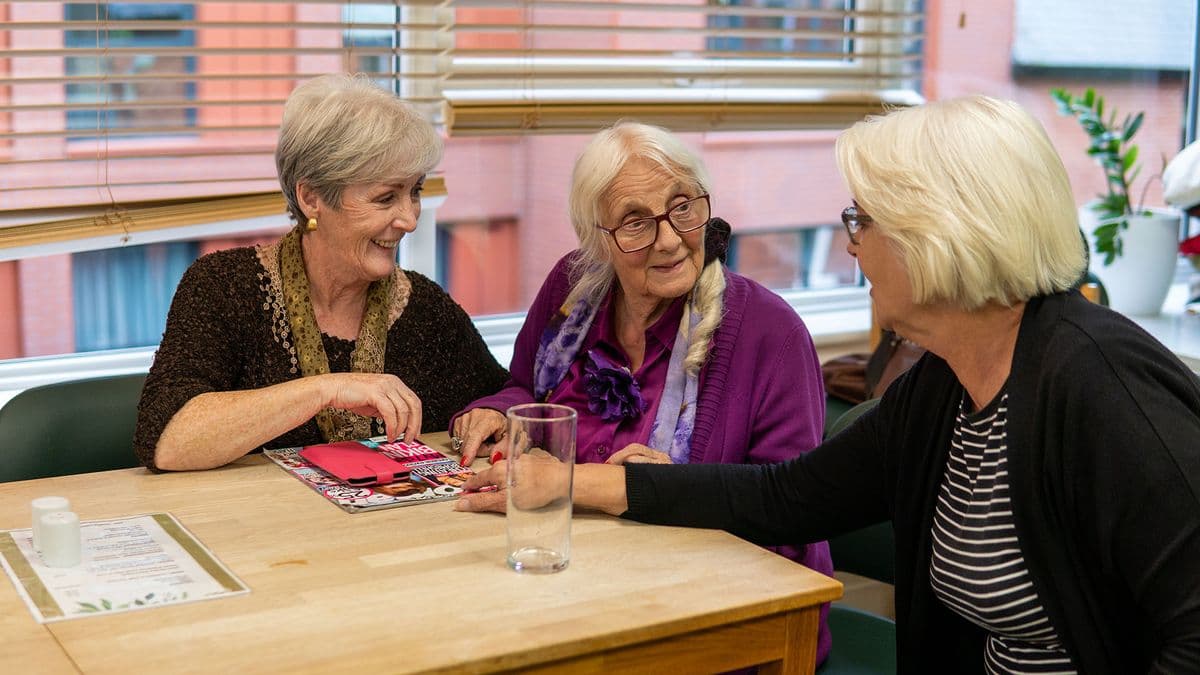
Every day across Australia, aged care staff see how social connection shapes wellbeing. When it comes to ageing, the focus is often on physical or cognitive decline. But it's important to recognise that social health is also a key pillar of healthy ageing.
Social health is about both the quantity and quality of the connections a person has. Research from the Centre for Healthy Brain Ageing (CHeBA) shows that strong social connections help slow the rate of cognitive decline. They are also linked to a lower risk of dementia and early mortality.
Reablement approaches can help nurture social and mental health. Keep reading for practical, evidence-informed strategies you can use in both residential and community aged care.
Loneliness in older age
Loneliness affects people of all ages, and large surveys show that it has increased since COVID-19. During this time, severe loneliness has risen from 6% to 21% across 145 countries.
Loneliness is also known to be as harmful as smoking 15 cigarettes a day – a striking reminder that social health is a health priority.
In avoiding and managing loneliness, older adults often face barriers that aren’t immediately visible. These can include:
- Low confidence
- Fear of forgetting names
- Worry about keeping up with conversations
- Low energy
- Anxiety about leaving home
These are not signs of 'not wanting to participate'. They're signs someone needs support.
How social health impacts cognitive health
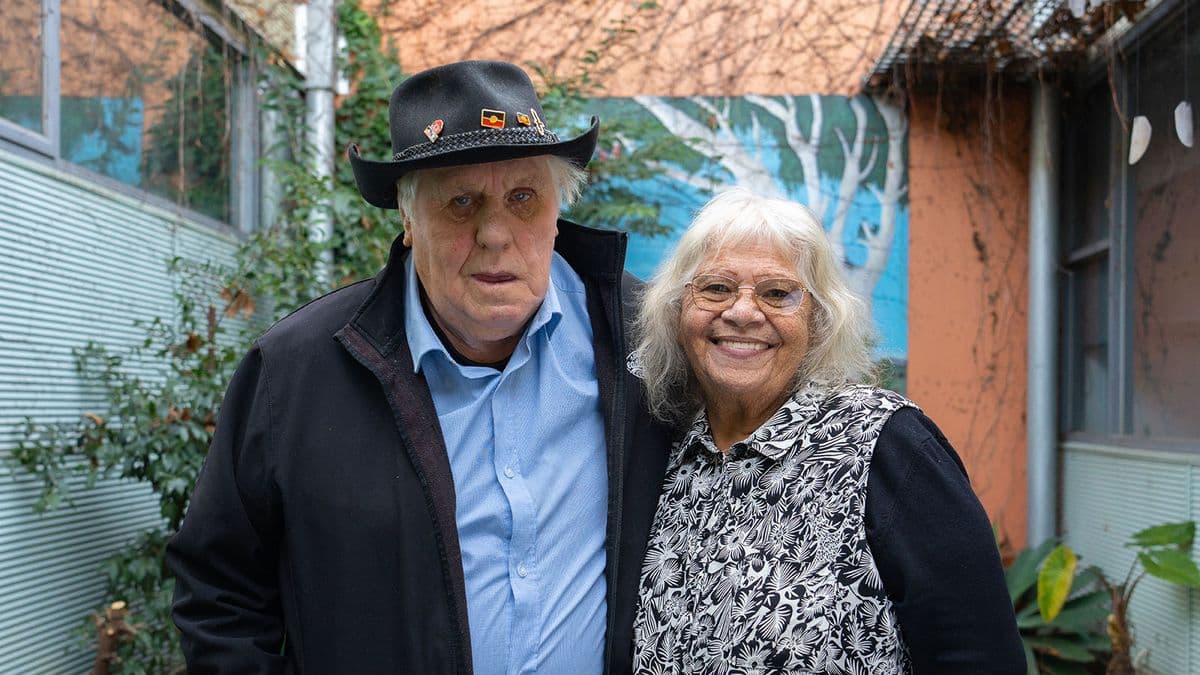
International research at CHeBA, using data from more than 39,000 older adults aged 40 to 102, found that many aspects of social health help protect against dementia.
These include:
- Living with others
- Engaging with the community
- Having a confidante – someone you trust and feel safe talking to
- Feeling less lonely
These same factors can also lower the chance of dying earlier than expected. Social health isn't a 'nice to have' – it’s foundational to ageing well.
How reablement can support social health
A reablement approach encourages people to:
- Do what they can
- Take small steps forward
- Reconnect with meaningful activities
Even one positive interaction or activity can help someone move from avoiding social situations to feeling more confident. Two stories illustrate this:
Joanna's story
Joanna is retired and has been feeling depressed and socially isolated. She won’t go shopping on her own because her support staff have been doing everything for her. This includes helping her dress, writing her shopping list, transporting her to the shops, and carrying her basket. A reablement approach means stepping back thoughtfully and could involve:
- Letting Joanna start dressing herself and providing support only if needed
- Letting her write the shopping list and adding items only if needed
- Suggesting she use a small basket or trolley
- Connecting the task to a social reward, like meeting a friend for coffee before groceries
Sam's story
Sam is widowed and has early signs of memory loss and confusion. He sometimes repeats sentences and forgets information. Sam doesn’t leave home because he's worried he won't remember people’s names, so he often stays in his room listening to the radio. A reablement approach could mean supporting Sam to:
- Revisit meaningful memories and prepare a simple 'people and places' book
- Go on short walks
- Make one phone call to a friend to get started
- Gradually build up to a weekly catch‑up or card game
These small, achievable steps help reduce anxiety and pave the way for greater confidence and independence.
Practical tips for staff
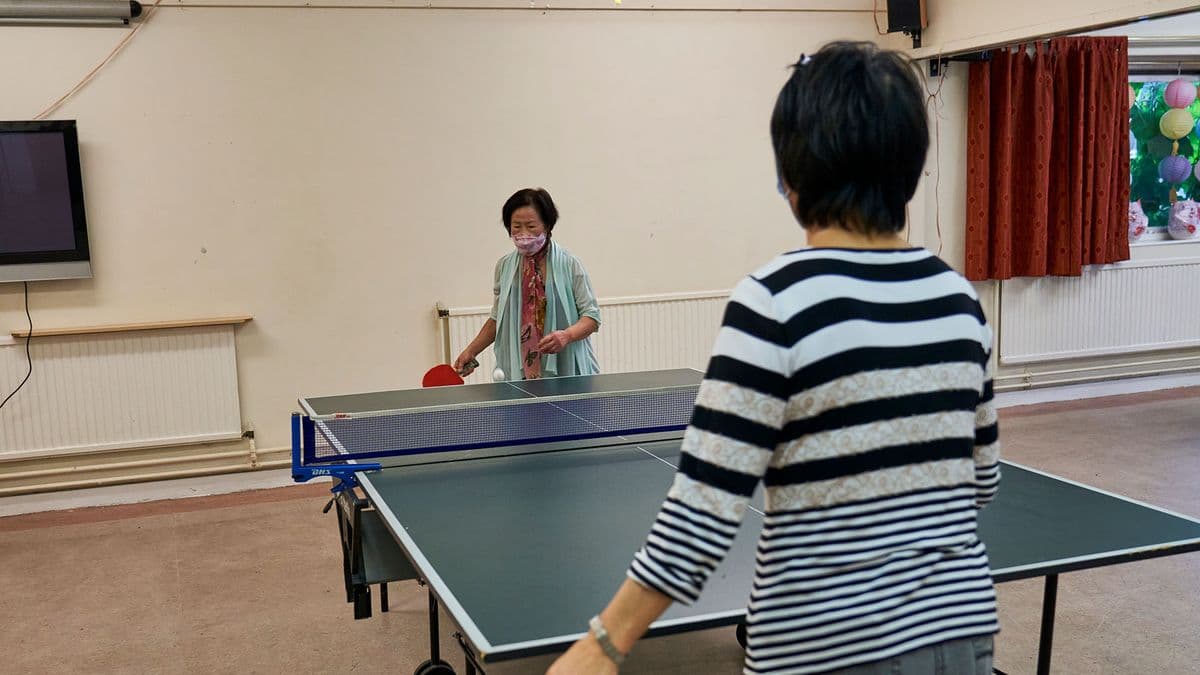
If you’re concerned someone may be lonely, anxious, or socially withdrawn, here are some simple ways to help:
- Ask about activities they used to enjoy - can any version of these still happen?
- Recommend at least one social activity per month, with a long-term goal of two per week.
- Start small, such as a short walk or a text message to a friend.
- Build in natural rewards, like getting a coffee when they catch up with someone.
- Encourage volunteering – having a sense of purpose can increase happiness and lower anxiety.
Finding community resources
Connecting people to local groups and activities supports long‑term reablement. LiveUp is a free healthy ageing guide that helps older people find local:
- Community programs
- Exercise classes
- Other opportunities for social connection
You can call their team on 1800 951 971 for help connecting your client with options that suit their needs.
Key takeaway
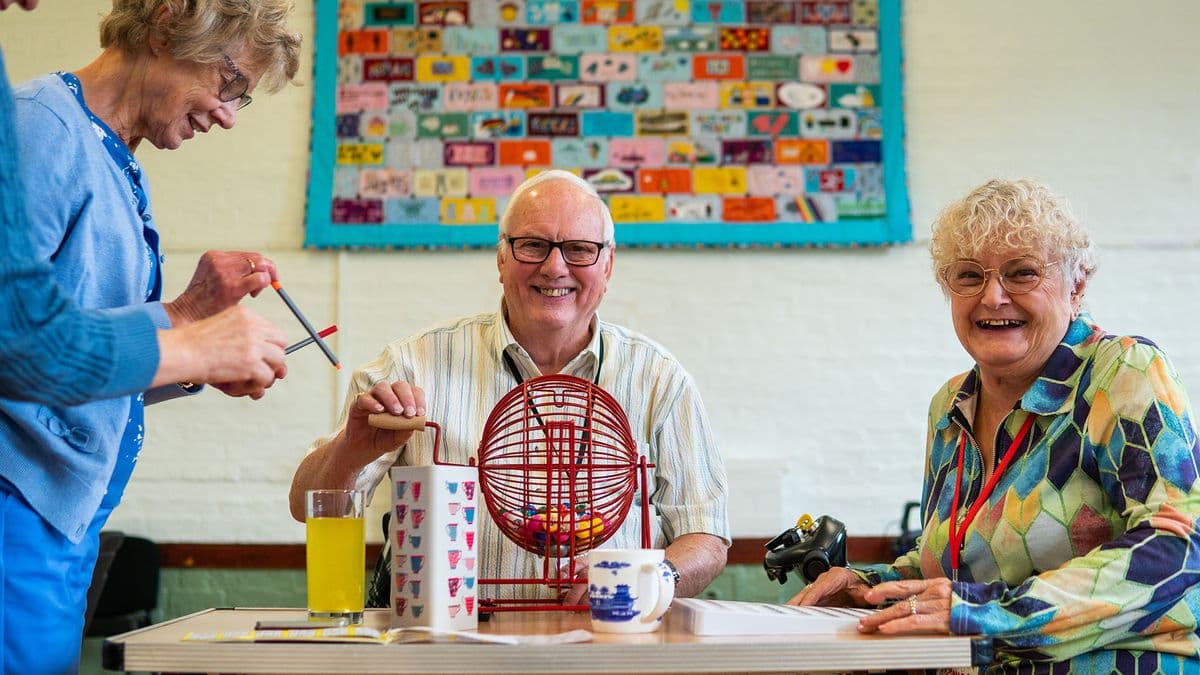
Social connection is central to living a longer, healthier, and more fulfilling life. Having strong, positive relationships is one of the biggest factors in helping a person:
- Live longer
- Stay resilient
- Feel well overall
Helping an older adult rebuild their confidence one small step at a time does more than ease loneliness.
By supporting social health, you help enhance mental, physical, and cognitive wellbeing. By supporting social health, you help people thrive.