

Exercise can help your client stay active, feel well, and maintain their independence.
Safe and appropriate exercise programs can support older adults to:
- Prevent and manage chronic conditions
- Recover from injury or illness
- Improve their ability and confidence to carry out daily activities
The Strengthened Aged Care Quality Standards aim to uphold the rights, dignity, and independence of older people.
The right exercise helps make this happen. When exercise is safe and well supported, it empowers older people to keep participating in the life they want, even as their needs change.
Accredited Exercise Physiologists (AEPs) are experts in exercise prescription. They can support people to find the best exercises for their condition, ability, and health goals.
For support workers and allied health staff
Understanding Accredited Exercise Physiologists in aged care
AEPs are allied health professionals. They work across a wide range of health settings, including aged care.

What do Accredited Exercise Physiologists do?
AEPs use clinical exercise interventions to help older people improve their:
- Health
- Physical Function
- Independence in daily activities
AEPs specialise in prescribing exercise for people with chronic health conditions and complex needs. This is important in aged care. They can support people with conditions such as:
- Heart disease
- Diabetes
- Osteoporosis
- Arthritis
- Lung disease
- Neurological conditions
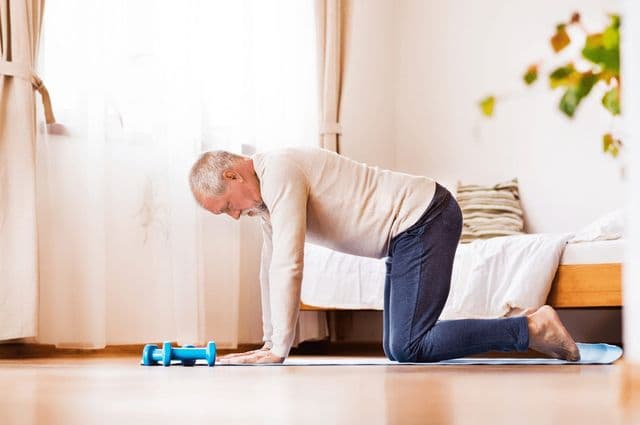
What are exercise interventions?
AEPs prescribe clinical exercise interventions.
These interventions involve exercise programs that are:
- Structured
- Individualised
- Goal-focused
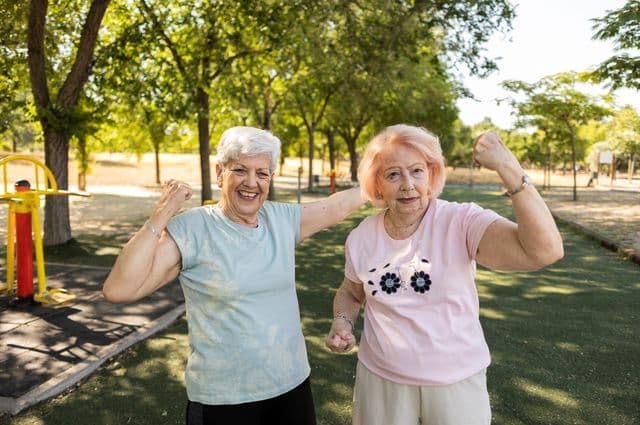
About the exercise programs
The exercise programs are tailored to the person’s:
- Health status
- Functional capacity
- Personal goals
They are designed to safely improve:
- Strength
- Balance
- Mobility
- Overall physical capacity

Extra supports
The interventions may also include supports that help people stay engaged long term.
This can include:
- Education on the benefits of physical activity and being active
- Lifestyle changes that promote wellbeing now and into the future
- Coaching and behaviour change support on how to build and maintain healthy habits
What is the treatment process like?
AEPs tend to follow a 3-step treatment process:
- They assess the person's history, physical abilities, and goals.
- They develop an individualised exercise plan tailored to the person’s needs. This can include supervised and home exercise programs.
- They provide ongoing support and education. This can involve checking in regularly, adjusting the exercise plan as needed, and encouraging the person to stay engaged and on track.
With this process, AEPs aim to build the person’s capacity for self-management. This is especially important for people with limited funding.

When to refer to an Accredited Exercise Physiologist
If your client is having any of these issues, seeing an Accredited Exercise Physiologist might help:
- Difficulty moving around
This could include finding it hard to walk, do daily tasks, or get up from a chair or bed.
- Recent or recurring falls, high risk of falls, or fear of falling
This can lower your client's confidence and make them want to move less.
- Ongoing health issues
This includes arthritis, osteoporosis, heart disease, diabetes, and lung disease. The right exercises can help people manage pain and stay active even with these conditions.
- Recent surgery or hospital stay
This can lead to weakness and reduced mobility.
- Loss of strength or physical confidence
For example, if your client is becoming less active, more unsteady, or showing signs of frailty.
How exercise supports reablement
For older people, exercise can:
- Improve balance, strength, and energy levels
- Reduce frailty, which is when the body is more sensitive to illness or injury
- Improve thinking skills and emotional wellbeing
Reablement is about supporting older people to do more for themselves. Prescribed exercise programs can help older people build the strength, balance, and confidence needed to carry out everyday activities.
Case example: Exercise physiology in action
Jill is a 78-year-old woman. She had a fall recently and feels nervous moving around. An Accredited Exercise Physiologist assessed Jill's current abilities and medical history.
They also spoke with Jill about her goals for daily living. Afterwards, the AEP created a balance-focused exercise plan tailored to her needs.
They supported Jill to rebuild her confidence by reassuring her that balance can improve with the right exercises. By the end of the program, Jill had resumed her usual routines.
For managers and providers

Qualifications to look for in an exercise physiologist
Are you hiring an exercise physiologist? Make sure they're an Accredited Exercise Physiologist.
Here's what to check for:
- AEP accreditation with Exercise and Sports Science Australia (ESSA)
You can check this using ESSA's Verify Accreditation search tool.
- Ongoing professional training
ESSA sets annual requirements to stay accredited.
- Professional Indemnity Insurance (PII) that covers the work they'll do
ESSA provides guidance on minimum insurance requirements.
- Registration as a service provider
Check with Medicare and the Department of Veterans Affairs, both important in aged care services.
These checks help you:
- Meet the Strengthened Aged Care Quality Standards – particularly Standards 2, 3, and 5
- Deliver safe, high-quality care
- Support your client to be confident, independent, and enjoy a better quality of life
If you need a more in-depth checklist, you're in luck. Head to our page on verifying allied health professionals.
Takeaway
Here’s a summary of the key points made in this article:
Accredited Exercise Physiologists (AEPs) help older people stay active and feel well. They play a key role in supporting older people to be independent.
Support workers can recognise when a client may benefit from referral to an AEP.
Managers and providers must ensure that AEP credentials are in place.
Keep Able's resources can help aged care staff find the right professionals and supports for their clients.