
What is low-risk AT?
Using low-risk AT is a reablement strategy. It provides practical support for older people to do things for themselves.
This page will explore low-risk AT and other reablement strategies that older people can use to participate in gardening tasks.
By the end of this page, you'll be able to help your client identify AT and other reablement strategies that can help to support their independence.
Why use low-risk AT to make gardening safer and easier for older people?
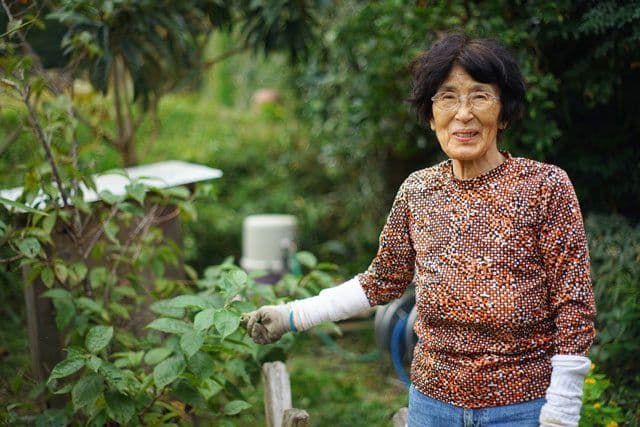
Gardening has many benefits for both the mind and body. Working with plants and spending time in green spaces has been shown to help people stay active and do something meaningful. This can:
- Engage the brain
- Spark creativity
- Improve self-esteem
- Contribute to better strength, balance, and stamina
Gardening can also be a social activity, and social connections are often linked to greater happiness in older age.
That’s why it’s important to support older people to continue gardening, even as their abilities change. Low-risk assistive technology (AT) can help.
These simple, off-the-shelf items are a key part of the wellness and reablement approach. They enable older people to maintain or regain their skills for daily living.
Examples of helpful AT for different gardening tasks
Here are some examples of AT you can use for various tasks and challenges in the garden, including:
- Gardening safely and comfortably
- Working with pots, planters, and hanging baskets
- Watering plants
- Planting
- Garden maintenance, such as pruning and weeding
Please note that while brand names may appear on this site, their inclusion does not imply our endorsement. Branded images are sourced from the National Equipment Database (NED).
AT for gardening safety and comfort
Gardening gloves
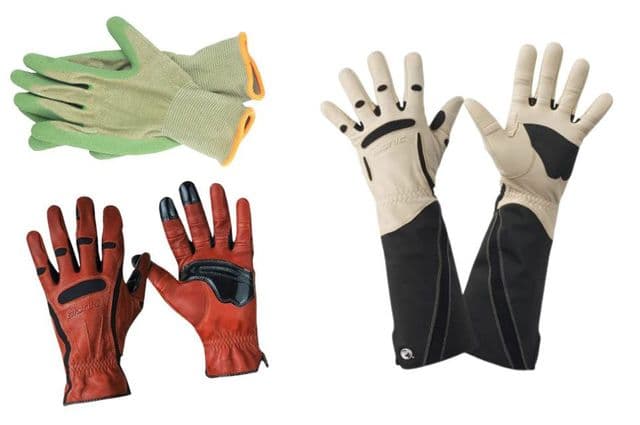
Gardening gloves protect the skin and nails from dirt, insect bites, and sharp plants. They also help prevent potential sun damage while making it easier to grip tools.
Knee pads
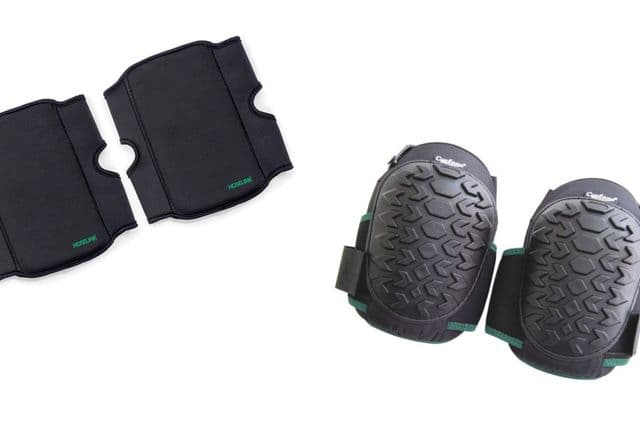
These lightweight knee pads cushion the knees when working on the ground. They attach behind the knee with Velcro to help reduce pressure on the knee joint.
Apron
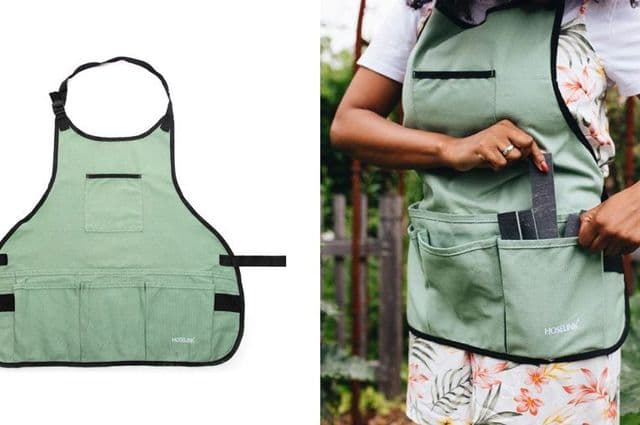
Gardening aprons allow people to carry their most-used tools with them. This reduces the need to go back and forth to the shed, potentially preventing fatigue.
AT for working with pots and planters
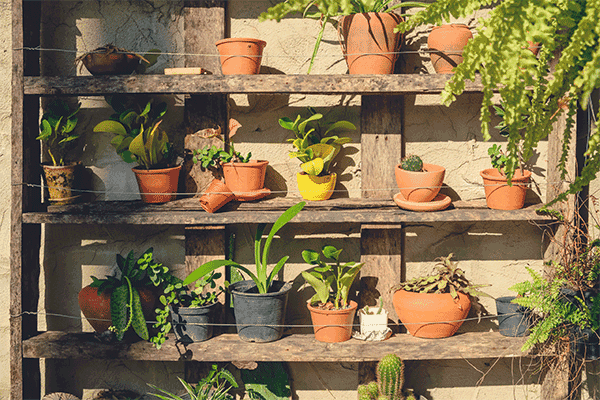
Vertical garden planter
Using a vertical garden can save space and reduce the number of plant pots on the ground. They can be organised and maintained at a convenient height. This makes it easier to control pests and weeds without bending.
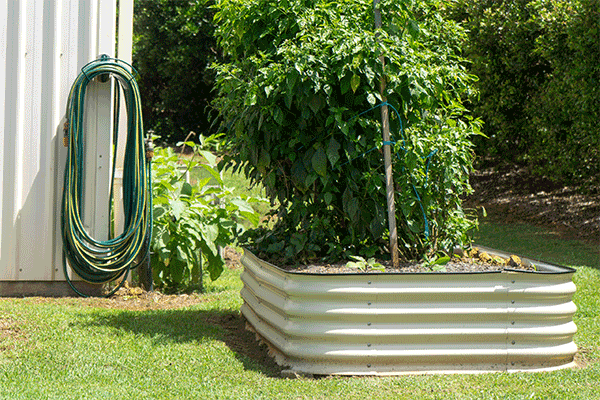
Raised garden bed
These raised garden beds can be used for flowers, herbs, or small vegetable plants. They reduce the physical effort needed for bending and tend to have fewer weeds. Those on wheels are also easy to move around.
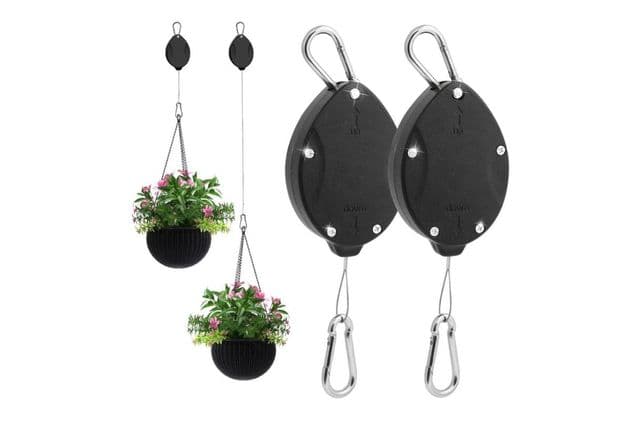
Retractable hanging baskets
Hanging baskets reduce the need to bend while tending to plants. Retractable baskets also reduce the need to reach. Users can adjust the pulley to bring the basket and plant down to the required level.
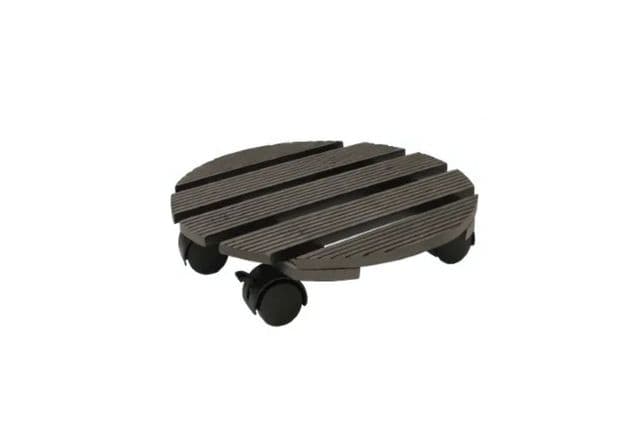
Plant pot trolley
This trolley is ideal for people who don't have the strength or balance to carry or manoeuvre plant pots. It enables users to move or adjust plants as needed without heavy lifting.
AT for watering the garden
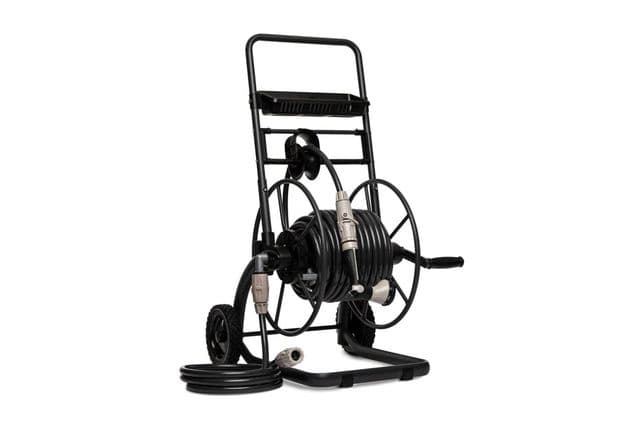
Hose reel cart
These carts remove the need to carry the garden hose over long distances. They also reduce the hand strength needed to wind the hose up and keep it tidy.
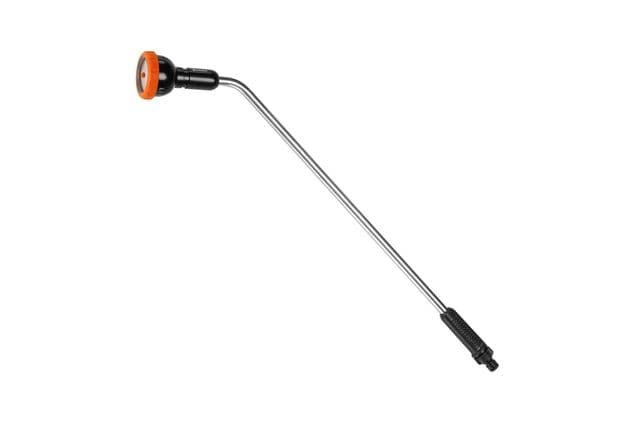
Spray wand
This item allows the user to water the roots of high or deep garden areas without bending, crouching, or using a ladder. It often comes with a variety of spray settings based on the user's needs.
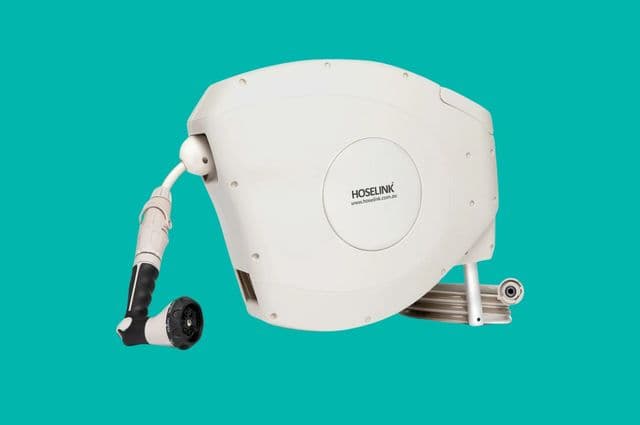
Retractable hose reel
These garden hose reels come with automatic locking and rewind features. They limit the amount of time and effort needed to coil and uncoil the hose. They should be installed at waist height to minimise reaching.
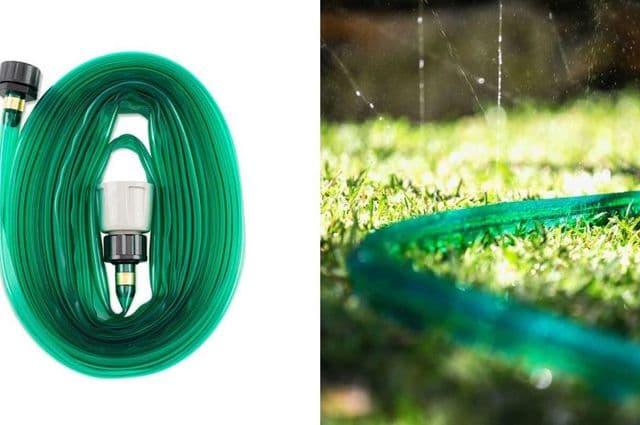
Soaker hose
A soaker hose wets the soil slowly and evenly, eliminating the need to hold the hose for extended periods. This reduces stress and fatigue in the hands.
AT for planting
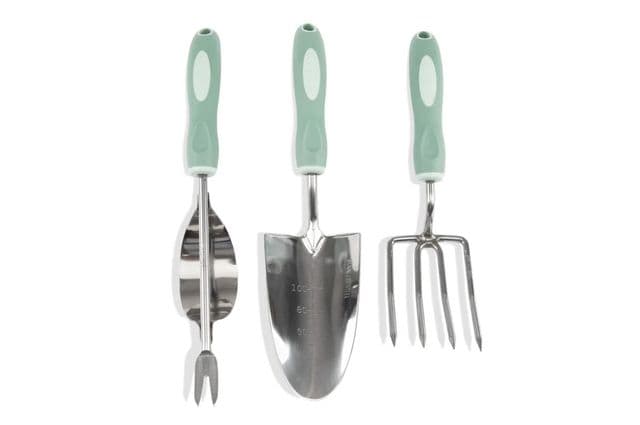
Soft-grip handheld gardening tools
These soft-grip gardening tools have ergonomic handles that conform to the natural shape of the hand. They can be used for a variety of tasks without causing hand pain and discomfort.
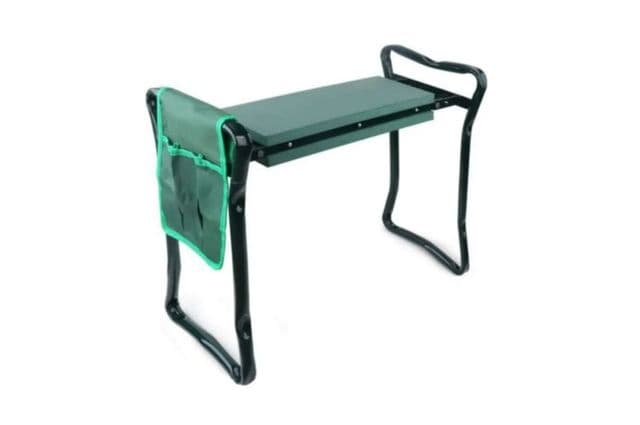
Dual kneeling pad and workbench
This item is well-suited for people with joint pain or balance concerns. It can be used as a garden kneeler and seat. The handles provide extra support for standing safely, while the pouch can hold tools.
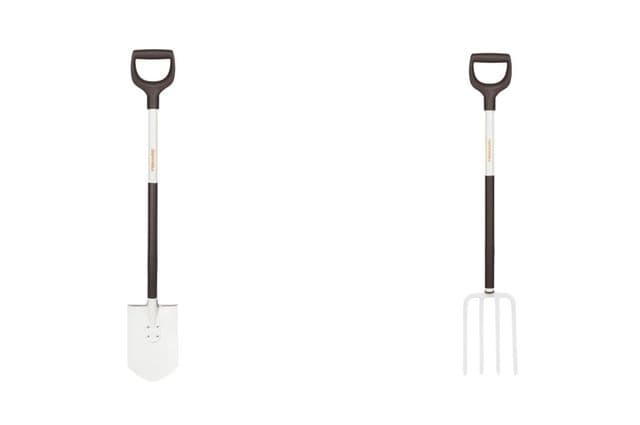
Lightweight long-handled gardening tools
These lightweight tools can be used for gardening tasks while standing. They can help with digging, weeding and moving plants. They may help reduce fatigue and strain.
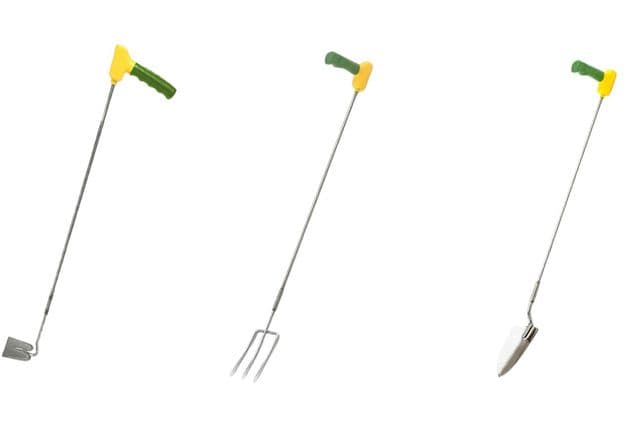
Long-handled Easigrip tools
These tools are helpful for people with weak grips or limited hand control. The right-angled handle promotes a comfortable grip. The long reach reduces bending.
AT for garden maintenance
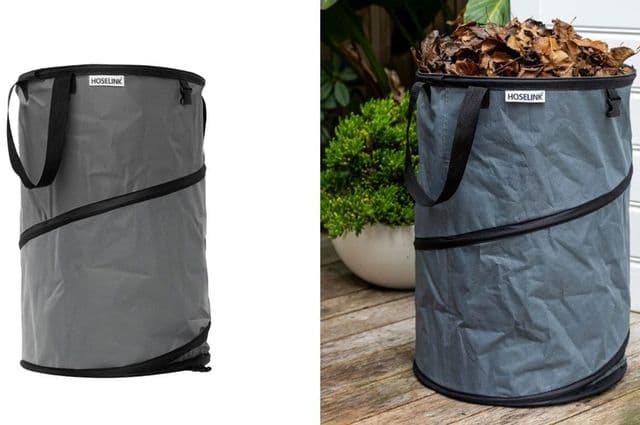
Garden waste bag
These bags allow users to collect and dispose of leaves, grass clippings, and other garden debris more easily. They reduce the physical strain of handling bulky waste. They can also help users carry their most-used tools in a more manageable way.
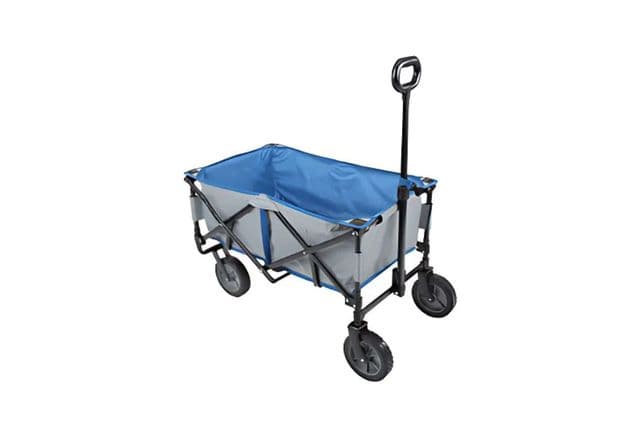
Foldable beach trolley
These trolleys help move plants, tools, and other garden items without heavy lifting. They are light, easy to fold and store, and have a long handle for easy pushing without bending down.
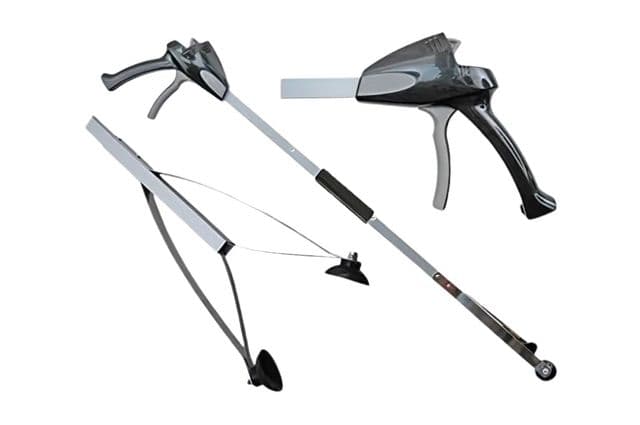
Long-handled reacher
These tools are ideal for people with limited movement, balance, or who are at risk of falling. They have rubber cups on the gripping mechanism for gripping items without bending. This could include weeds and small fallen branches.
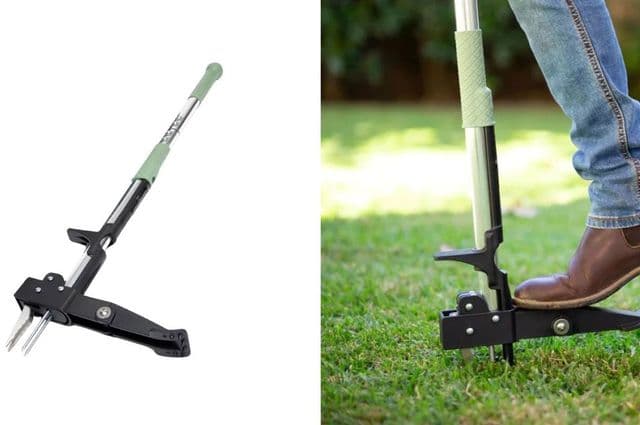
Stand-up weed puller
These tools allow for weed removal without bending or kneeling. They feature steel claws that reach into the soil to grab and remove the root from all directions. Their lightweight design also makes them easy to manoeuvre.
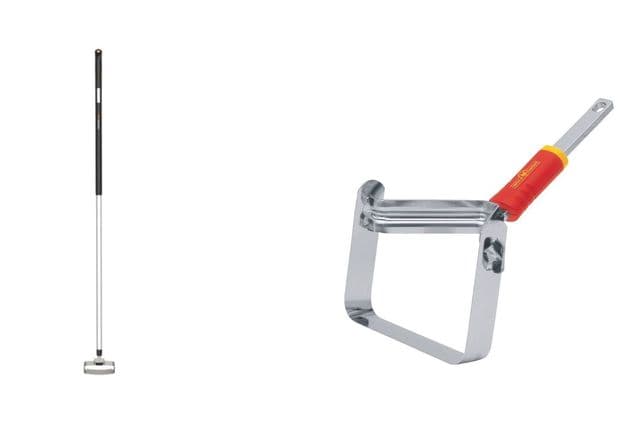
Push-pull weeder
With these tools, people can use a simple back-and-forth motion to uproot weeds without having to pull each one out individually. However, good balance and strength are needed to collect the debris.
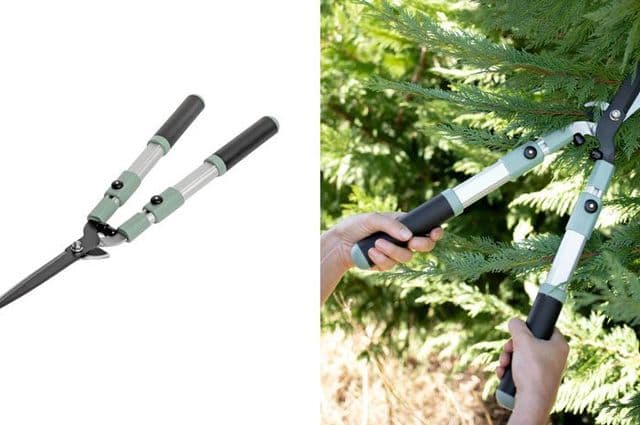
Telescopic hedge shearers
The handles on these trimmers can be adjusted to several different lengths. This enables users to trim plants without getting too close or overreaching. They should be used with both hands to evenly distribute the effort.
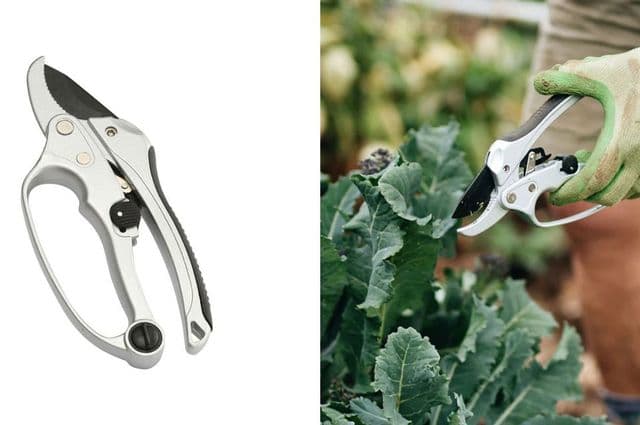
Ratchet pruner
These pruners have a self-opening mechanism. This reduces the amount of grip strength and control needed to cut through thick branches and stems. The handle is large enough to accommodate two hands if necessary.
Maximise the benefits of the AT outlined below with these considerations and reablement strategies:
Useful resources
If you found this page helpful, you may also be interested in the following. These resources provide more detailed advice about the items mentioned here. They also have general tips on how people can stay independent and healthy as they age.
This guide helps older people find and choose simple assistive items for all areas of life. These items are available in everyday online and offline stores. Occupational therapists also share tips on how to use these items the right way.
Our Sector Support and Development team researched and created these guides. They will help you understand key parts of wellness and reablement. They will also help you share the benefits of wellness and reablement with your clients.
NED is the biggest database of assistive technology in Australia. It's helpful for users, carers, and health professionals to find, compare, and buy AT.
Next steps
The reablement strategies on this page can help your clients perform gardening tasks by themselves. By supporting this, they can enhance your client's dignity, confidence, and potential to age well.
If you want to learn more about using these strategies in your practice, please reach out to us. You can email us at keepable@ilaustralia.org.au or use the 'contact us' button below.