
Are you a support worker, coordinator, or allied health professional? If so, you know how hard it can be to juggle multiple demands with limited time and resources. Coming up with reablement ideas often feels like one more challenge.
In this resource, you can explore five practical strategies. These will help you shift from ‘doing things for’ to ‘doing things with’ your clients.
Reablement in aged care is about promoting independence. You can learn about why this approach matters in our reablement podcast: 'Everything you do for me, you take from me'.

What is a reablement strategy?
Reablement means regaining lost abilities. A reablement strategy is a plan or action that helps older people do the activities that matter most to them.
You can use reablement strategies to help your clients:
- Feel safer and more confident in their everyday lives
- Improve their physical abilities, thinking skills, and emotional wellbeing
- Stay connected with their friends and family
- Actively participate in their community
These elements play a big role in supporting an older person’s right to live better for longer.
New to reablement? Learn more about what it is and how it works with Keep Able's guide to understanding wellness and reablement.
What are the 5 core reablement strategies?
There are many ways to deliver reablement, which is great for person-centred care. With lots of reablement ideas to choose from, you can support each person in unique and meaningful ways.
That said, having too many choices can be overwhelming, making it difficult to decide on the best way forward. To keep things simple, we’ve grouped reablement ideas into 5 key strategies:

Build capacity
Help your client build skills that support their ability to do things for themself. This includes building their strength, flexibility, memory, mental resilience, and social skills.
Learn about building capacity.

Adapt the environment
Make your client’s home safer and easier to live in. This may include removing hazards. Or it could be as simple as moving frequently used items to easy-to-reach places.
Learn about adapting the environment.

Modify the task
Support older people to do the things they enjoy by suggesting changes to the way they get it done. For example, try breaking up a big task into separate smaller tasks that are more manageable.
Learn about modifying the task.
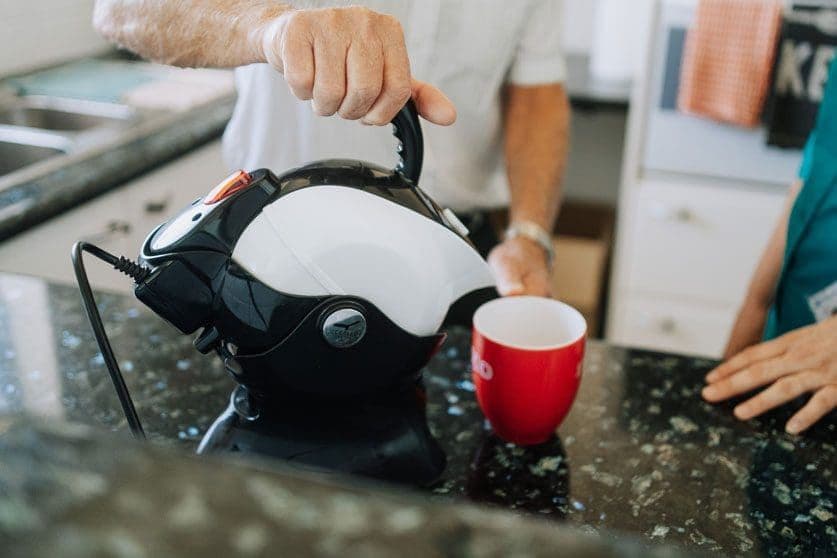
Recommend assistive technology (AT)
Help older people get stronger by finding tools that enable them to do everyday tasks for themselves. These tools are called assistive technology (AT).
Learn about recommending assistive technology.

Provide information
Let clients know about available resources, services, and support options. Help them make informed decisions about their own care.
Learn about providing information.
Next steps to learn more about reablement strategies
You can explore more by clicking the linked articles for each of the 5 strategies.
In the articles, you’ll discover:
- More about what the strategy is and how it works
- Real-world examples
- Tips for including it in your practice
After you read about each strategy, you’ll know how to choose and use them throughout the care journey.
Tried these strategies but still struggle to deliver reablement? Keep Able’s guide on overcoming barriers to wellness and reablement might help.

Things to remember
It’s important to approach each strategy with a wellness and reablement mindset. Remember to:
- Focus on your clients’ strengths rather than their weaknesses.
- Recognise your clients as the experts on themselves. Listen to their needs, goals, and include them in all decision making.
- Promote your clients’ dignity and independence.
By taking this approach, you’re actively supporting outcomes in Standard 1 of the Strengthened Aged Care Quality Standards.
Key takeaway
These reablement strategies are practical, achievable ways to support the independence of older people. With the right mindset and tools, people working in aged care can make a meaningful difference.
To learn more about the latest in reablement, sign up for our e-newsletter.