
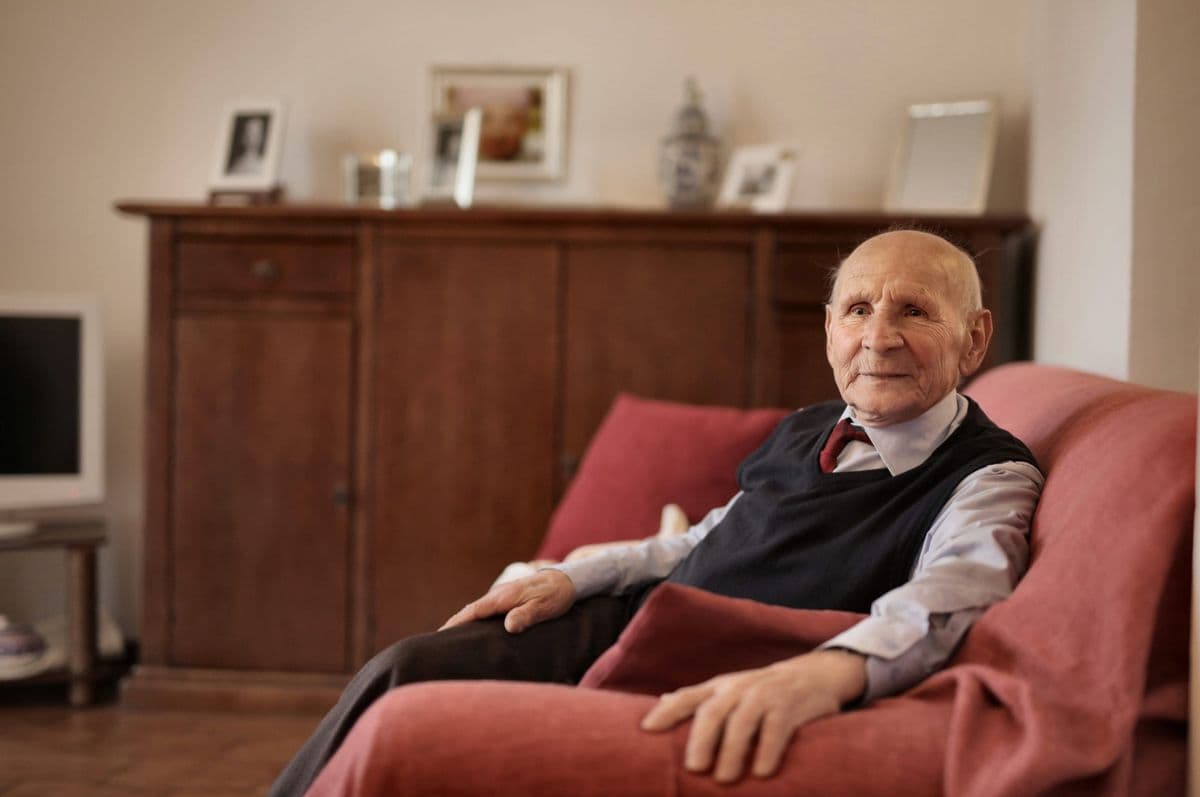
Making changes to an older person's home environment can make daily tasks safer and easier.
Support your clients' independence and dignity. Small adjustments like improving lighting can have a big impact.
New to reablement strategies? You can learn about the basics here.
Why the environment is important
Older people may find it hard to do tasks by themselves due to a less-than-ideal home environment.
There are many factors that can impact how safe and easy it is for a person to perform tasks in their home. These may include:
- Steps
- Uneven ground or paths
- Slippery floors
- Poor lighting
- Hard-to-reach items in cupboards and other storage areas
- Clutter and other trip hazards
- Maintenance concerns
Adapting your client’s environment so it’s safe and easy to live in is part of the new Strengthened Aged Care Quality Standards.
What does adapting the environment mean?
Adapting the environment means making changes to a person’s surroundings so they can live more easily and safely. It's a way to help people stay independent and manage daily tasks at home.
There are many simple things you can suggest during regular home visits to make moving around and doing everyday tasks easier. This resource will focus on those easy changes.
Sometimes, bigger changes are needed, like adding ramps or changing the structure of the home. These should always be done by an occupational therapist.
Tips for adapting the environment
When your clients are having difficulty with a task, ask them why. If their home environment is the issue, explore helpful adaptations.
Most people value their privacy at home and may be reluctant to make changes. When considering adjustments to their home environment, avoid words like ‘modifying’.
Use positive language and include them in the decision-making process.
Practical examples for suggesting changes
Here are some ways you could suggest changes to achieve the following goals:

- Improve lighting
‘It must be hard to read recipes in this light. Would you consider replacing the bulb with a brighter one?’
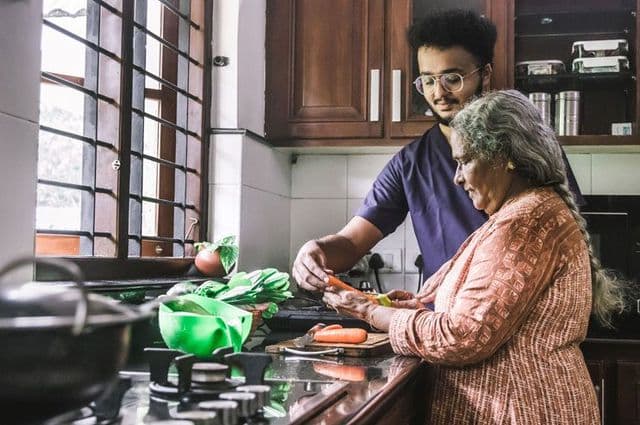
- Rearrange storage
‘It must be difficult to lift that heavy casserole dish out of the bottom drawer. Could we find a higher spot that will make it easier for you to access?’

- Reduce mobility obstacles
‘I can see one of the wheels on your walking frame gets caught on furniture in the living room. Is there something you would be happy to move to create more space?’
Respect the person’s choice
In the examples above, the service provider offers suggestions and reasoning.
However, the client always makes the final decision. When it comes to reablement strategies, the goal is to support, not to take over.
Takeaway
Adapting an older person’s environment empowers them to stay safe and independent at home – without compromising their dignity.
Ready to learn more? Read about the next reablement strategy: modify the task.
You can also sign up for our e-newsletter here.