
Beginning a new role providing in-home care can feel overwhelming. But with the right approach, you can thrive and make a meaningful impact.
These tips can help you can start strong by embracing wellness and reablement (W&R). The W&R approach promotes wellbeing and independence. It's integral to the Strengthened Aged Care Quality Standards.
Here are 5 tips for new support workers providing in-home aged care services
Important: only use strategies allowed by your client’s individual care plan.

1. Focus on independence (do with, not for)
Encourage clients to do what they can for themselves. Don’t rush to do everything for them. Focus on ‘doing with', not 'doing for’.
This supports clients to build their abilities – that's what ‘reablement’ means.
Before stepping in, pause to do the following:
- Check the care plan
- Understand the person’s goals
- Consider what you can support them to safely do for themselves today
This approach is central to Aged Care Standard 3: The Care and Services. It highlights independence, reablement, and tailoring care to meet the client’s unique needs and goals.

2. Communicate with respect
Talk with your clients. Strong communication helps you understand the goals outlined in the care plan and how best to support them.
The words you use can influence a person’s confidence and sense of dignity. So, approach conversations with respect and curiosity.
Try to use active listening. This involves:
- Paying full attention
- Asking open questions
- Checking your understanding
This empowers clients to express their needs and preferences, which supports Standard 1: The Individual. It emphasises respect for the person's dignity, identity, culture, and choice.
3. Use small, everyday moments for reablement
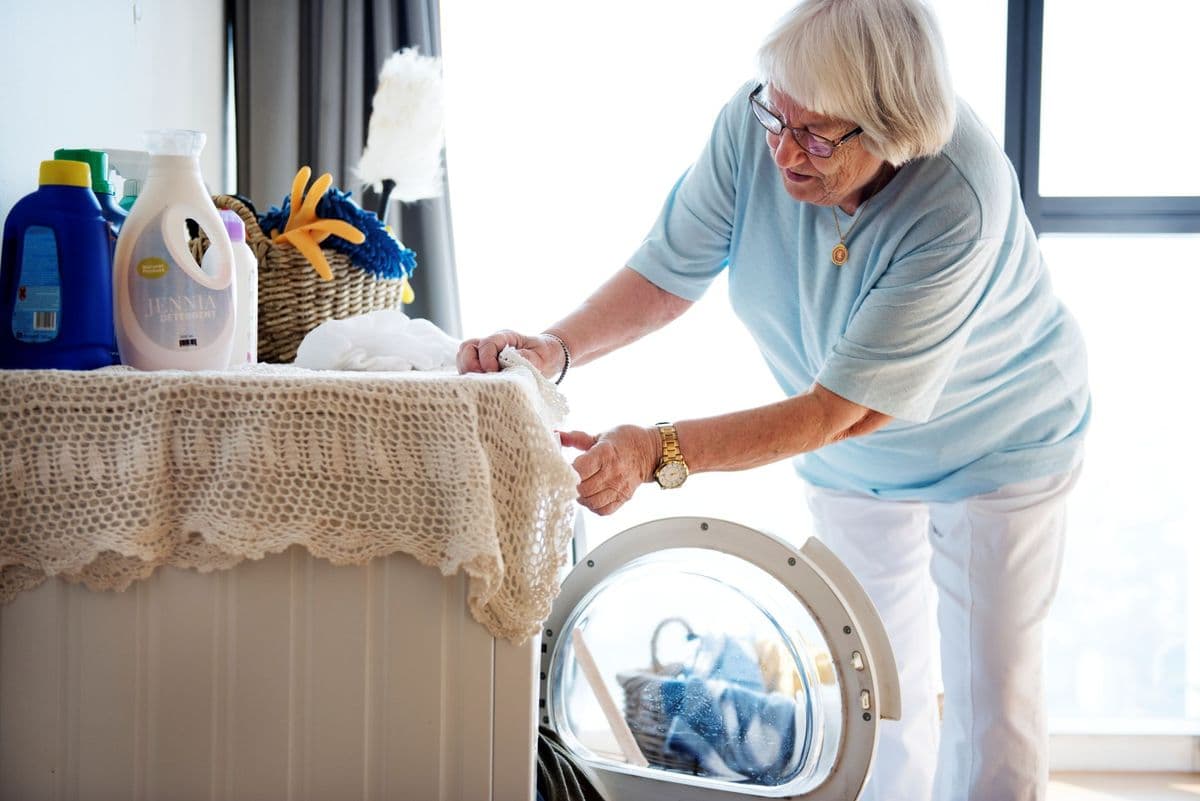
Small actions, done often, can improve physical, social, and mental health. Everyday tasks offer many opportunities for reablement.
If the care plan allows, encourage clients to take an active part in routine tasks like:
- Making a cup of tea
- Setting the table
- Checking the mailbox
- Light housework
These moments help build capacity over time.
Focusing on strengths supports clients to live at home as independently as possible. This is consistent with Standard 3, which highlights reablement as a core goal in aged care.

4. Know your tools
Assistive technology (AT) can make many tasks easier and safer. The right tool should help a person do more for themselves.
For example, a client who worries about dropping a heavy kettle may benefit from a kettle tipper. It lets them pour hot water safely without lifting.
You can become familiar with low risk AT by handling and testing items yourself. This will build your confidence to suggest and support their use.
Using AT supports reablement, consistent with Standard 3. It also contributes to a safer home, consistent with Standard 4: The Environment.

5. Look after yourself
Supporting others is meaningful work. It’s also demanding. Looking after yourself helps you provide safer, higher quality care.
Try:
- Quick stretches to release tension
- Mindful pauses when moments feel challenging
- Reaching out to peers or supervisors when unsure of the best approach
Your organisation has a responsibility to support your safety, health, and mental wellbeing. That’s part of Standard 2: The Organisation.
Key takeaways for support workers
Small moments every day can add up to meaningful change. Build those moments on:
- Respect for the person’s independence and dignity
- Wellness and reablement strategies and tools
- The client’s care plan
You don’t have to do everything perfectly. Every time you support someone to do 1 more step for themselves, you’re helping them stay independent.
For extra support, open the Keep Able on the Go app for quick, on the go wellness and reablement tips you can use in the moment.