
You’ve probably heard of occupational therapists (OTs) before, but do you know what they do?
The word ‘occupation’ is often used to describe what a person does for work. But for OTs, it refers to any activity that occupies a person’s time and gives meaning to their life.
OTs work with people to help them participate in everyday activities they need or want to do.
That’s why OTs play a key role in wellness and reablement. They support older people in adapting to changes and staying as independent as possible.
This page explains what OTs do. You’ll learn about the different ways they support wellness and reablement goals. You’ll also learn how to verify their qualifications. This is important for keeping your service safe and meeting the Aged Care Act and Strengthened Quality Standards.
What do occupational therapists do?
Occupational therapists (OTs) are allied health professionals. They help people engage in and maximise independence with activities they find important. Let’s look at how they make this happen.
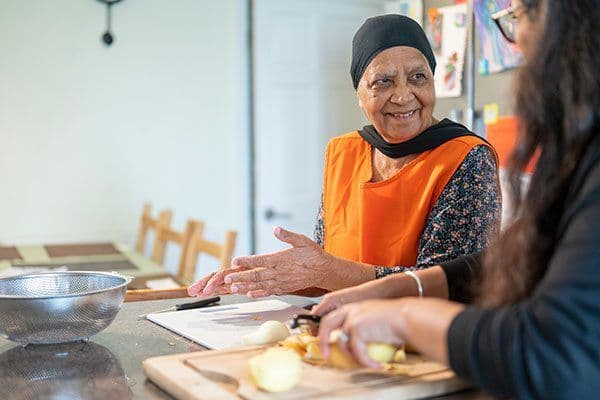
Activities that OTs help with
OTs support people in engaging with activities that:
- Promote independence
- Are important to the person
- Align with the person’s beliefs, values, and identity
Examples of these activities include:
- Self-care, such as showering and getting dressed
- Household chores, such as cooking and cleaning
- Caring for others, including pets and children
- Driving and using public transport
- Leisure, hobbies, and connecting with others
- Health routines like taking medication, booking appointments, and cooking to manage a health condition
- Work, volunteering, and education
- Sleep
Challenges that affect daily activities
OTs work with people who find activities of daily life difficult. These challenges may be caused by:
- Injury, surgery, and other types of trauma
- Disability
- A chronic condition affecting physical, mental, or cognitive health
- The effects of ageing
- Environmental factors, such as an unsafe home or limited social support
- Dementia
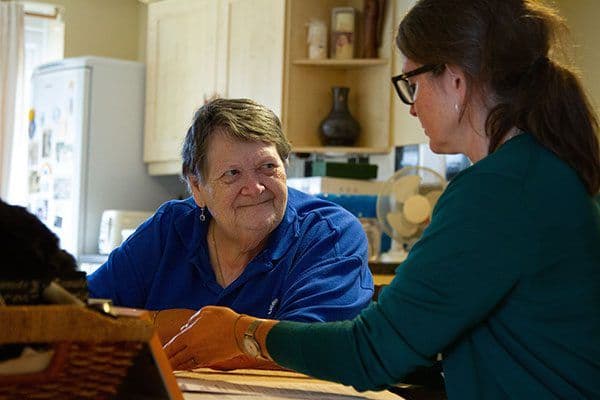
How OTs work with clients
OTs assist people in overcoming difficulties with everyday activities by:
- Learning about and upholding their beliefs, values, priorities, and goals for daily living.
- Assessing the supports and barriers impacting their ability to participate in meaningful activities. OTs evaluate 2 main types of factors: personal factors (physical abilities, cognitive skills, mental health, and sensory, social, and spiritual needs) and environmental factors (the home, community spaces, social networks, cultural background, and care settings).
- Creating a plan with the client that builds on their strengths and supports, while addressing barriers to help them reach their goals.
- Reviewing their progress and adjusting the plan as needed, often in collaboration with a multidisciplinary team.
Strategies OTs use to help
OTs use a variety of restorative care strategies to support their clients’ goals. These include:
- Enhancing participation in meaningful activities to boost physical, cognitive, and social function.
- Modifying the environment for physical access and safety. For example, by installing grab rails, improving lighting and contrast for those with visual impairments, or addressing other hazards.
- Modifying the environment to promote the function and safety of those with cognitive challenges. For example, by applying dementia-friendly design principles.
- Modifying tasks. For example, by breaking them into smaller steps to reduce strain and fatigue, or by developing a graded program to build skills over time.
- Recommending assistive technology (AT) to bridge gaps in current abilities, address safety concerns, prevent pressure injuries, and maintain functional independence.
- Providing education and information to clients and their support networks. This includes guidance on managing conditions, accessing helpful resources, and referring to other health professionals or supporting organisations.
- Addressing mental health concerns such as loneliness, depression, anxiety, and responsive behaviours related to dementia.
- Managing pain by modifying tasks, protecting joints, using psychological strategies, and meeting positioning needs for sitting and lying down.
Through their work, OTs create a positive cycle. When people engage in activities they care about, they gain confidence and a stronger sense of identity and self-worth. This improves their health and wellbeing, increasing their potential for independence.
Indicators for referral
Occupational therapists (OTs) support older people to live independently at home, connected to the activities and communities they value.
Knowing when to refer an older person to an OT is an important skill. The best time to refer is early, when you first notice changes in how the person manages daily activities. Don’t wait until they’ve experienced serious decline or injury.
Below are key signs that a referral may be needed. Discover how OTs can assist in each situation:
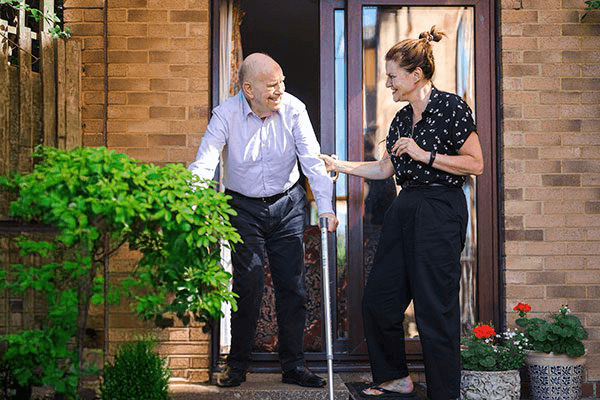
Functional decline – increasing difficulty with activities in daily life
Is your client having difficulty with everyday activities they used to manage easily?
This might include personal care, household tasks, hobbies, social connections, or other meaningful activities that bring joy and purpose to their life. An OT could help by:
- Identifying opportunities in daily activities to boost confidence and improve functional abilities.
- Recommending AT and minor or major home modifications (HM).
- Providing energy-saving and safety-promoting restorative strategies to reduce fatigue, lower stress, and enhance independence. For example, they could show the person how to alternate light and heavy tasks throughout the day.
- Identifying and addressing cognitive or mood changes that may be impacting functional abilities.
Recent falls, near misses, or other safety concerns
Is your client experiencing safety issues or concerns about movement and balance? For example, have they experienced a ‘near miss’, had a fall, felt unsteady, or worried about navigating their home or community spaces safely? An OT can:
- Evaluate and address hazards in the home, like steps, clutter, poor lighting, slippery floors, and more.
- Identify and address risks caused by physical, cognitive, visual, and perceptual impairments.
- Reduce anxiety and build confidence to combat fear of falling.
- Recommend AT and HM as required.
- Recommend other reablement strategies that can be implemented by their support staff and family members.
Remember: Falls and other safety concerns are best managed by a team of health professionals working together. OTs are an important part of this team. But ideally, they will work with physiotherapists, podiatrists, and other specialists (depending on the needs of the person) to provide complete care.

Memory loss and other cognitive changes
Cognitive decline is not a normal part of ageing but can be deeply distressing for those who experience it.
OTs can assess cognition using standardised assessments and by observing how the person performs functional activities. Based on a person’s needs, OTs can help by:
- Providing cognitive rehabilitation to rebuild skills like memory and problem-solving.
- Developing ways to adapt to cognitive changes, such as simplifying environments and finding effective memory aids like diaries or audio notes that match the person’s needs.
- Offering guidance on lifestyle advice that supports cognition throughout the lifespan.
- Educating carers and families on how to support someone living with cognitive changes.
Community access
Staying connected to the community is essential for health and wellbeing. This includes visiting shops, socialising with friends and family, and enjoying recreational activities. It’s also one of the first things to be impacted by age-related functional decline.
OTs can support a person’s community mobility by:
- Improving their ability to transfer in and out of vehicles.
- Helping them identify and navigate risks in the community.
- Assisting them in accessing alternative forms of transport, especially when transitioning from driving.
- Assessing for and training in the use of powered mobility devices such as scooters and power wheelchairs.
- Providing specialised services in driver assessment and training, if the OT is Driver Trained.
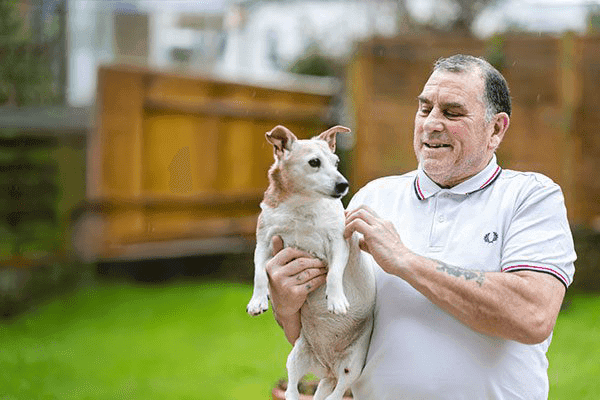
Managing transitions
Older adulthood is a time of many changes. While some are good, others can greatly disrupt a person’s usual lifestyle and routines.
Is your client in a period of change impacting their functional performance? An OT can provide support through many of life’s transitions, including:
- Loss of a loved one, whether a family member, friend, or pet.
- Moving house.
- Discharge from hospital to home.
- Receiving a life-changing medical diagnosis or experiencing change in existing health conditions.
- Loss of driving licence.
Other
OTs may have areas of specialisation, such as:
- Dementia support.
- Mental health.
- Pain management.
- Complex home modifications.
- Sleep.
- Sex and disability.
- Driving
- Pressure management.
If you need to refer someone to an OT, check your organisation’s relevant policies and work practices first.
If you think your client has complex needs requiring specialised interventions, discuss with the OT if they can accommodate these needs. If they can’t, they can connect you with a practitioner who can.
How do you ensure an occupational therapist is qualified and registered?
To make sure a physiotherapist is appropriately qualified and registered, check out our page on allied health qualification and registration requirements.
In addition, the Capability Framework for Occupational Therapists (OTs) Working with Older People is a useful resource. Developed by Occupational Therapy Australia, it can support your discussions with OTs about their capacity for aged care roles.
Keen to learn more about occupational therapy and other allied health roles in aged care? Contact us to organise a free professional development presentation for your team.
Content review
To make sure everything’s accurate and up to date, this content was reviewed by:
- Kirsten Campbell, a Senior Occupational Therapist with over 30 years’ experience across the full spectrum of aged care service provision.