

How to embed wellness and reablement into your practice
Here are 3 practical tips for delivering wellness and reablement:
- Use everyday activities as opportunities for independence
- Encourage older people to do a little bit, often
- Focus on strengths, not weaknesses
The importance of wellness and reablement in aged care
The wellness and reablement approach (W&R) is about more than helping older people live safely at home. It’s also about helping them live a full and meaningful life.
Every small action you take can make a big difference. By focusing on independence and strengths, you can help clients stay active, confident, and connected to the things they love.
New to W&R? You can learn more about it here.
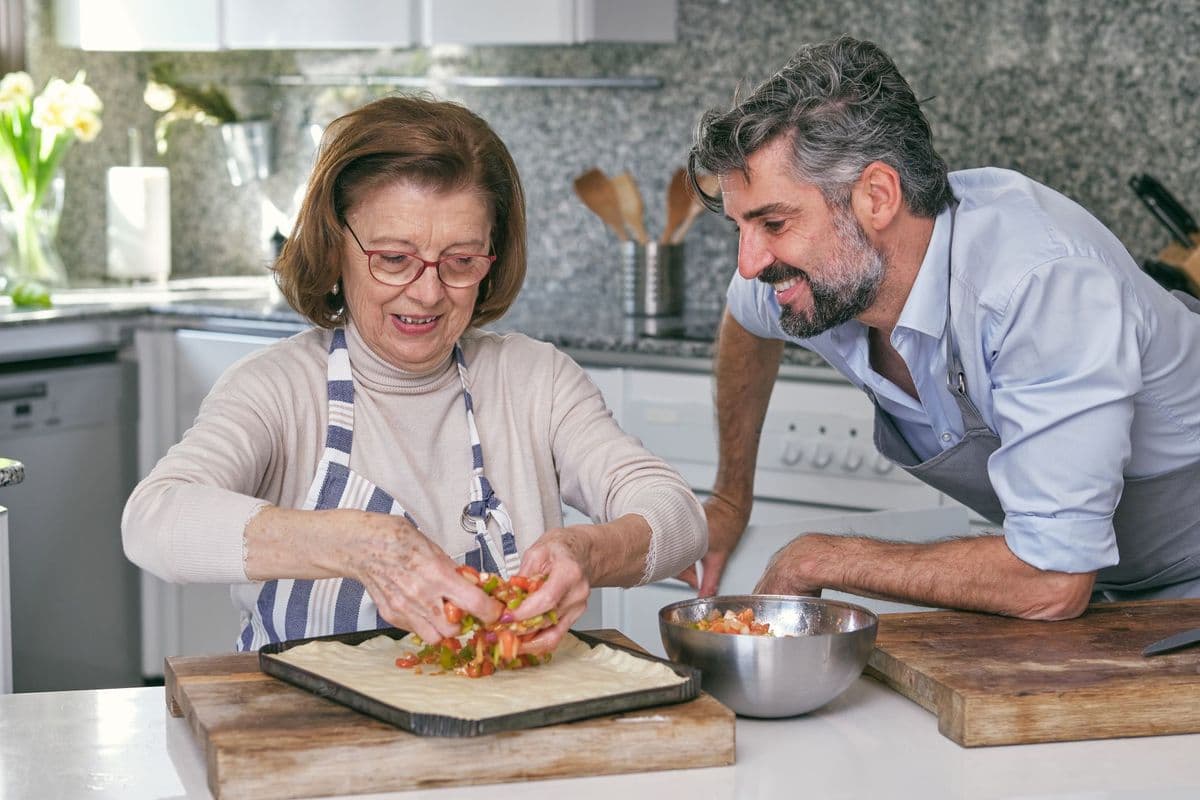
Tip 1: Use everyday activities as opportunities for wellness and reablement
Exercise programs and formal therapy aren’t the only ways to build capacity. Everyday activities, like cooking, cleaning, and gardening, are powerful opportunities to support independence. This is key to the reablement aspect of the wellness and reablement approach.
These daily activities help older people stay:
- Physically fit
- Mentally engaged
- Emotionally satisfied
Support clients to do these tasks for themselves, rather than do everything for them. Encourage them to keep doing daily activities, even if they can only do parts of them. Take every opportunity to promote independence in daily living.
You can learn more about this in our free eLearning module: Everything you do for me, you take from me.

Tip 2: Encourage older people to do a little bit, often
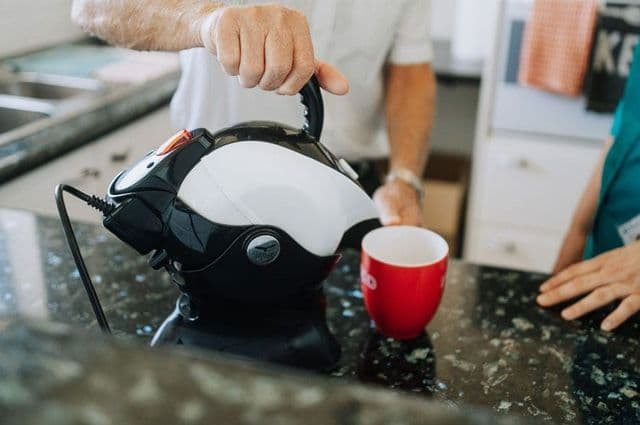
The wellness and reablement approach is about small, frequent actions. Simple steps done often (like making a cup of tea every day) add up to make progress manageable.
Remember: W&R is not the same as rehabilitation. Rehabilitation is intensive and led by allied health professionals. W&R is about small, consistent actions that build skills and independence over time.
Encourage clients to break activities into smaller pieces and practice regularly. Even short walks, pulling a few weeds, or calling a friend for a quick chat on the phone can make a big difference. It doesn’t have to be big chores, just consistent actions.
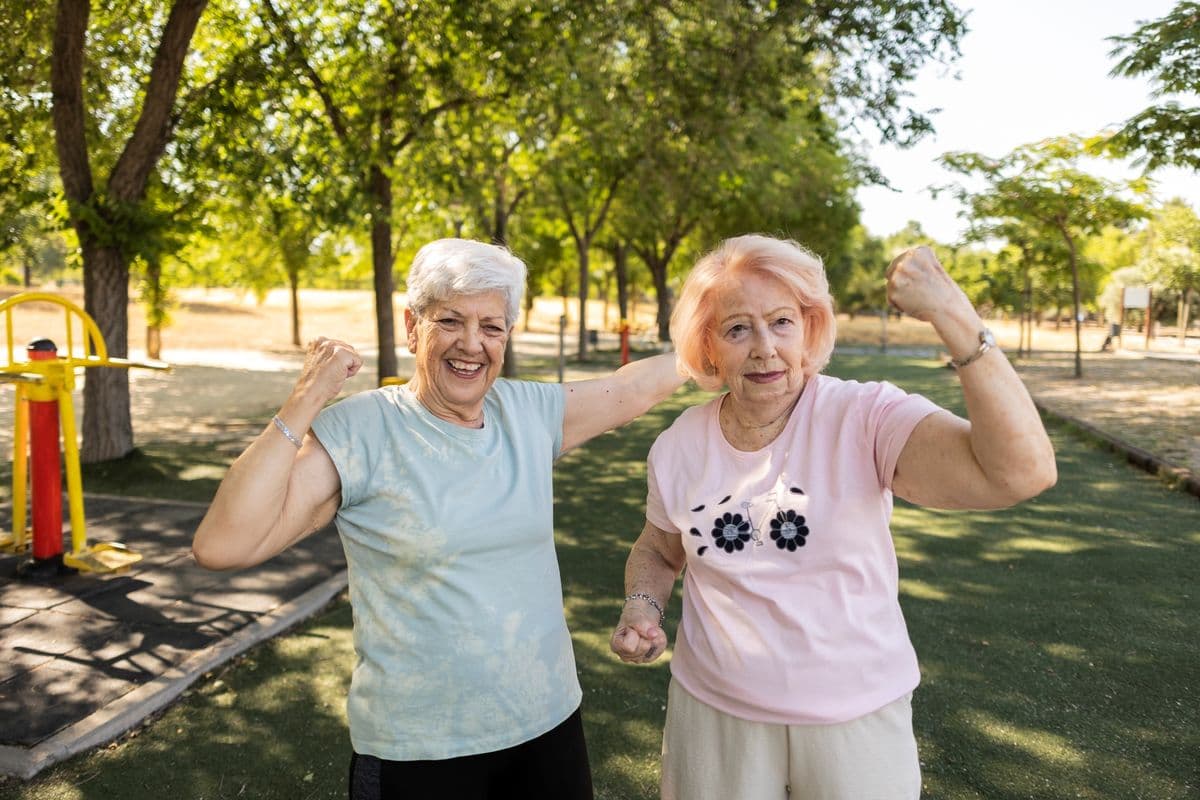
Tip 3: Focus on strengths
Focus on what your client can do, not what they can’t.
A simple way to guide your approach is the ‘can do, might do, can’t do’ framework:
- Can do: If your client can do something safely, encourage them to keep doing it. This is how you apply a wellness approach.
- Might do: If they might be able to do it with support, this is a chance for reablement. Talk to them to find out what supports will help them resume activities they want to do.
- Can’t do: If your client can’t do something, it might be because it’s too difficult or dangerous. Consult a health professional for advice.
This approach helps you see possibilities instead of limitations. One of the many benefits of this is helping clients regain confidence in themselves.
Examples of reablement in action
These case studies show how practical solutions can help older people reconnect with activities that matter to them:

Example 1
A client can walk inside but lacks confidence walking outdoors.
Instead of doing his outdoor chores for him, go with him on short walks outside. Start small, like with a walk to the letterbox. This builds fitness and confidence safely.
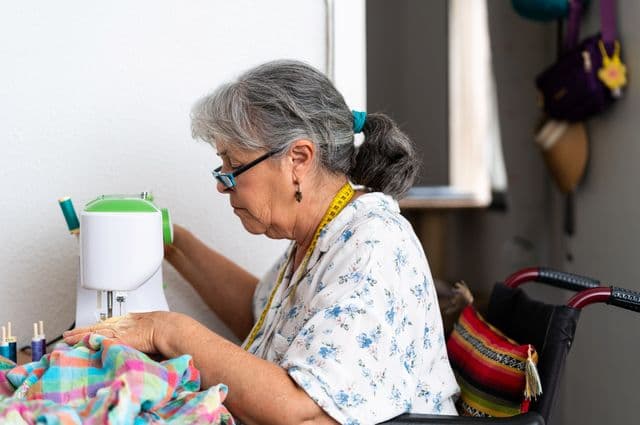
Example 2
A client gave up sewing due to reduced finger strength. Sewing is something she might do with the right support.
Try suggesting assistive tools to make sewing easier – like pre-threaded needles or easy-grip fabric scissors. With this small change, she can enjoy her hobby again.
Takeaway
Wellness and reablement is achievable through small actions that promote independence every day. Support older people to live healthy and meaningful lives by focusing on:
- What they can do, or might do with support
- What’s important to them
- Building confidence over time through everyday activities
Still having trouble implementing wellness and reablement? You can find some guidance on overcoming barriers here.
You can also subscribe to our e-newsletter to keep up with the latest news in W&R.