
Going to the shops.
Choosing, planning, and participating in activities outside the home helps maintain independence.
Everyone’s situation is different.
Use this page as a starting point. Adapt ideas to suit the person’s goals, abilities, and preferences.
Why this activity matters
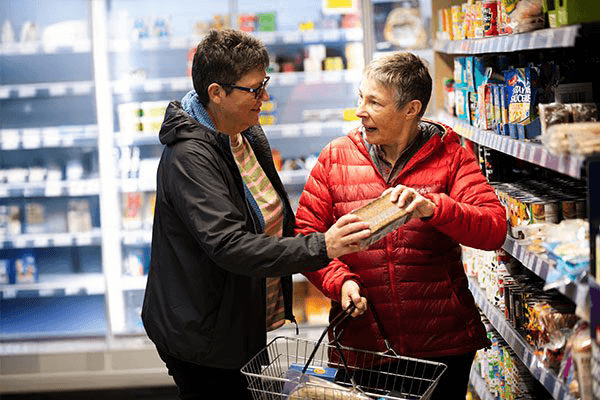
Shopping is about more than buying things. It can help people make choices, do things for themselves, spend time with others, and be part of their community.
Staying involved can also help people keep up everyday routines and visit places that matter to them.
Physical benefits
Walking and mobility
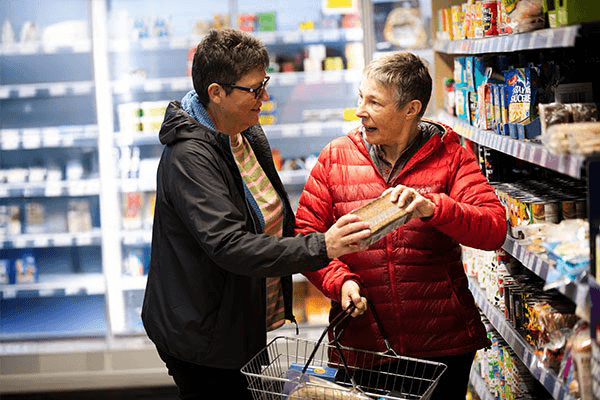
Getting around the shops provides opportunities to walk and keep moving as part of everyday life.

Stamina
Shopping trips can be quick if needed. They offer a way to practice staying out for longer and longer periods of time.

Balance and coordination
Walking around shops, changing direction, and reaching for things all use balance and coordination.

Everyday movement
Shopping involves everyday movements such as walking, reaching, carrying things, or getting in and out of a car.
Thinking and cognitive benefits
Planning and preparation
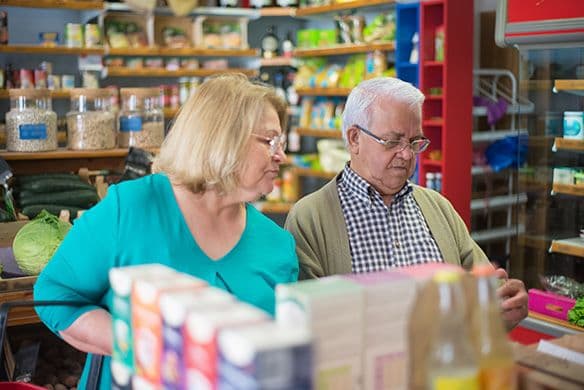
Making a shopping list and planning how to get there can keep the person involved from the start.

Budgeting and money handling
Checking prices, using money, and paying for things can help the person keep using everyday skills.
Decision making
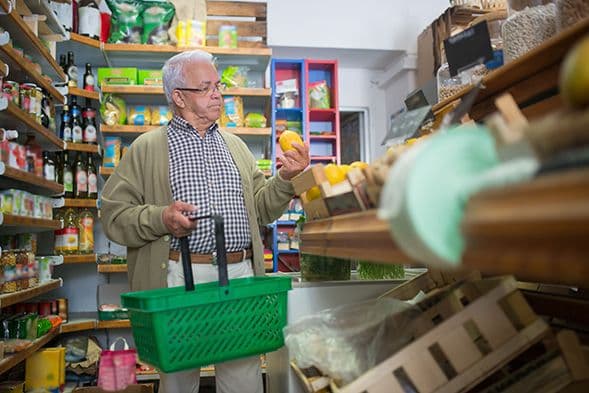
Choosing where to shop and what to buy gives the person a chance to make their own decisions.

Memory and organisation
Using a shopping list and finding items in the shop offer a chance for the person to use their memory and stay organised.
Emotional and social benefits

Independence
Taking part in shopping can help the person keep doing things for themselves.
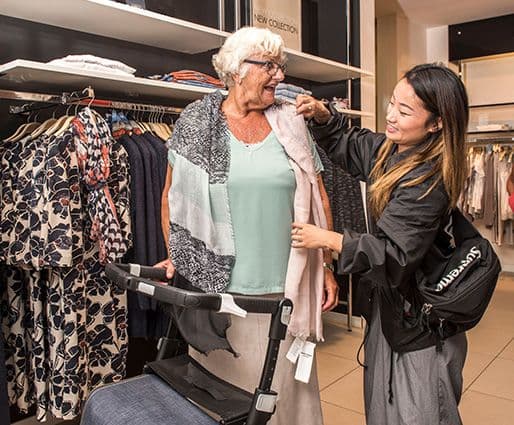
Choice and control
Choosing where to go and what to buy helps the person have a say in their everyday life.

Confidence
Keeping up familiar activities can help the person feel more confident when getting out and about.
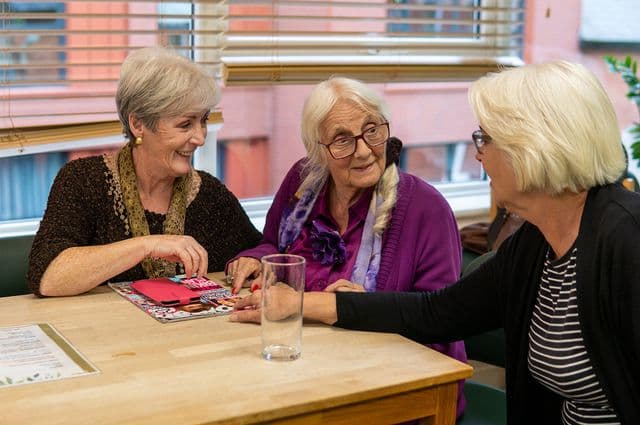
Staying connected
Shopping is a chance to see other people, have a chat, and stay connected with the local community.
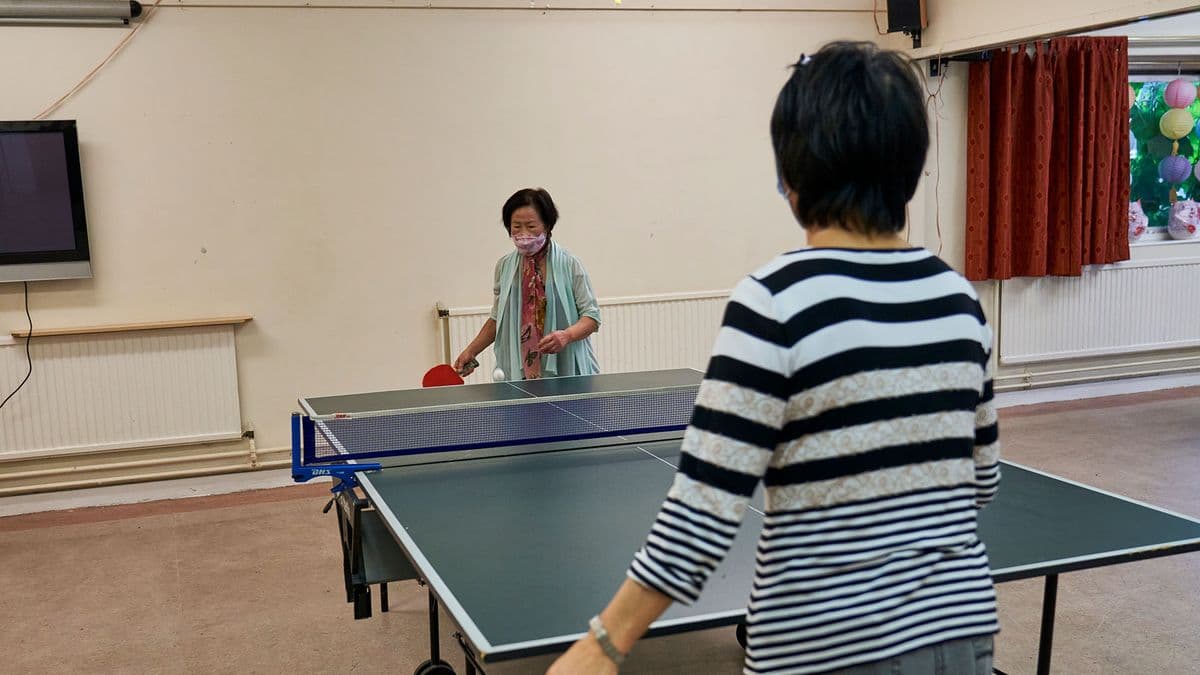
Ways to keep the person involved
- Encourage them to help make the shopping list.
- Let them choose what they want to buy.
- Involve them in planning how and when to go.
- Encourage them to pay where appropriate.
- Give them time to find and choose items.
- Focus on taking part, rather than getting the shopping done quickly.
Related reablement strategies

Modifying the task
Change the way a task is done so the person can take part. For example, 'click and collect' options may enable them to shop for themself without getting too tired.

Building capacity
Support the person to build their strength and abilities so they can carry items or shopping bags themself.

Adapting the environment
Adjust the living space to make daily life easier for the person. For example, ensure there are ramps or railings if needed for the person to exit the home safely.

Recommending assistive technology
Suggest AT that could help the person do more shopping for themself.

Related low-risk assistive technology (AT)
- Carts and wheely trolleys
- Walking aid bags
- Magnifiers
- Large print shopping list
- Reaching tools