
Cleaning and housework.
Cleaning and looking after the home can help people stay:
- Active
- Independent
- Connected to their surroundings
Everyday tasks around the home can support physical, mental, and emotional wellbeing. They can also give people a sense of achievement and help them feel more in control of their living space.
Everyone’s situation is different.
Use this page as a starting point. Adapt ideas to suit the person’s goals, abilities, and preferences.

Why this activity matters
Housework is often viewed as a chore, but it can also be:
- A source of physical activity
- A way of maintaining skills
- An opportunity to make decisions
- An important contributor to independence
- A meaningful daily routine
Taking part in household chores is linked to better physical and mental wellbeing.
Physical benefits
Cleaning tasks help people move their bodies and build on everyday physical skills.

Strength and fitness
Vacuuming, mopping, and carrying household items get people moving and using their muscles. Doing these tasks often can help people stay strong and active.

Balance and coordination
Moving around the home and reaching for things can help people practise their balance and body control.

Flexibility and movement
Bending, stretching, and reaching can help keep joints moving. This may help reduce stiffness and make it easier to move.
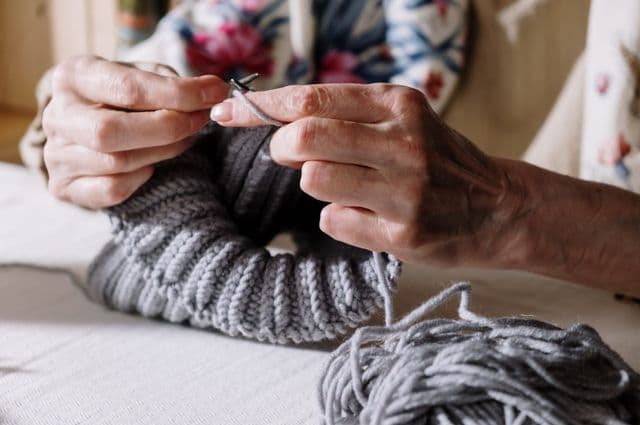
Hand strength and dexterity
Using pegs, spray bottles, cloths and other household items helps people use their hands in different ways. This may help keep their hands strong.
Thinking and cognitive benefits
Cleaning tasks help people use everyday thinking skills and keep their minds active.
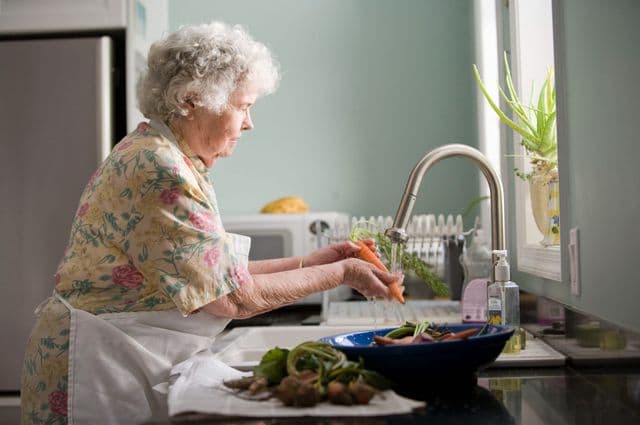
Planning and organisation
Deciding what to clean and when to do it can help people practise planning and organising.

Memory and recall
Remembering what needs to be done and where items are kept can help people use their memory.
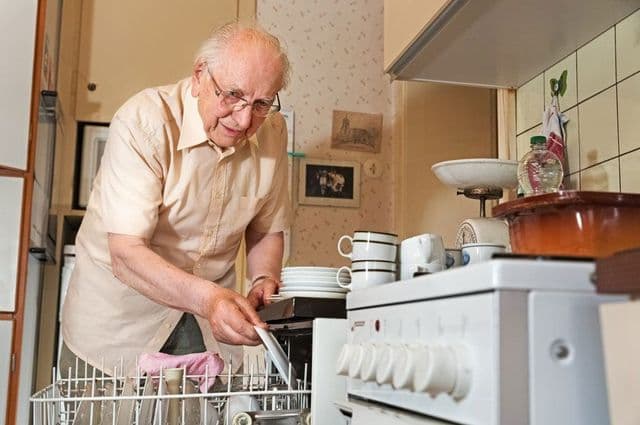
Concentration
Focusing on cleaning tasks can help people practise their concentration.
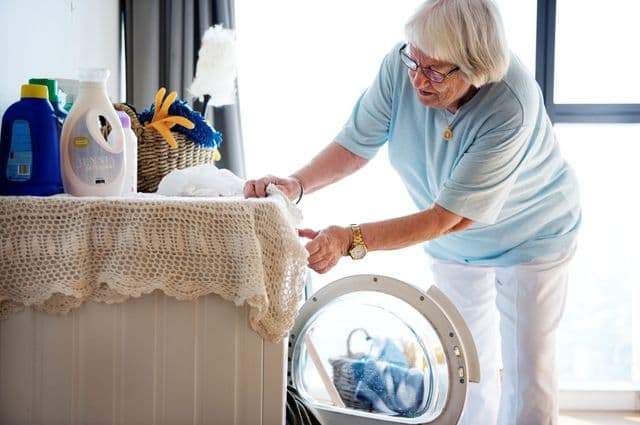
Following instructions
Reading labels and using cleaning products correctly can help people practise following instructions.
Emotional and social benefits
Taking part in household tasks can support independence. It can build confidence and give people a sense of achievement.
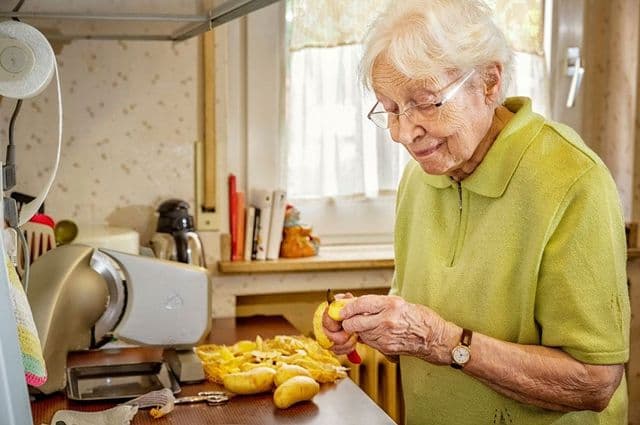
Independence
Taking part in household tasks can help people rely less on others.

Choice and control
Making decisions about household tasks can give people more control over how things are done at home.
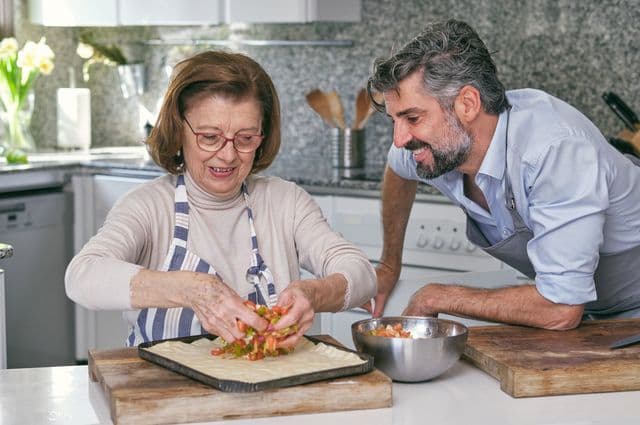
Confidence
Using everyday skills at home can help people feel more confident taking part in other activities.
Satisfaction and achievement
Completing household tasks can give people a sense of pride. Each completed task is an achievement.
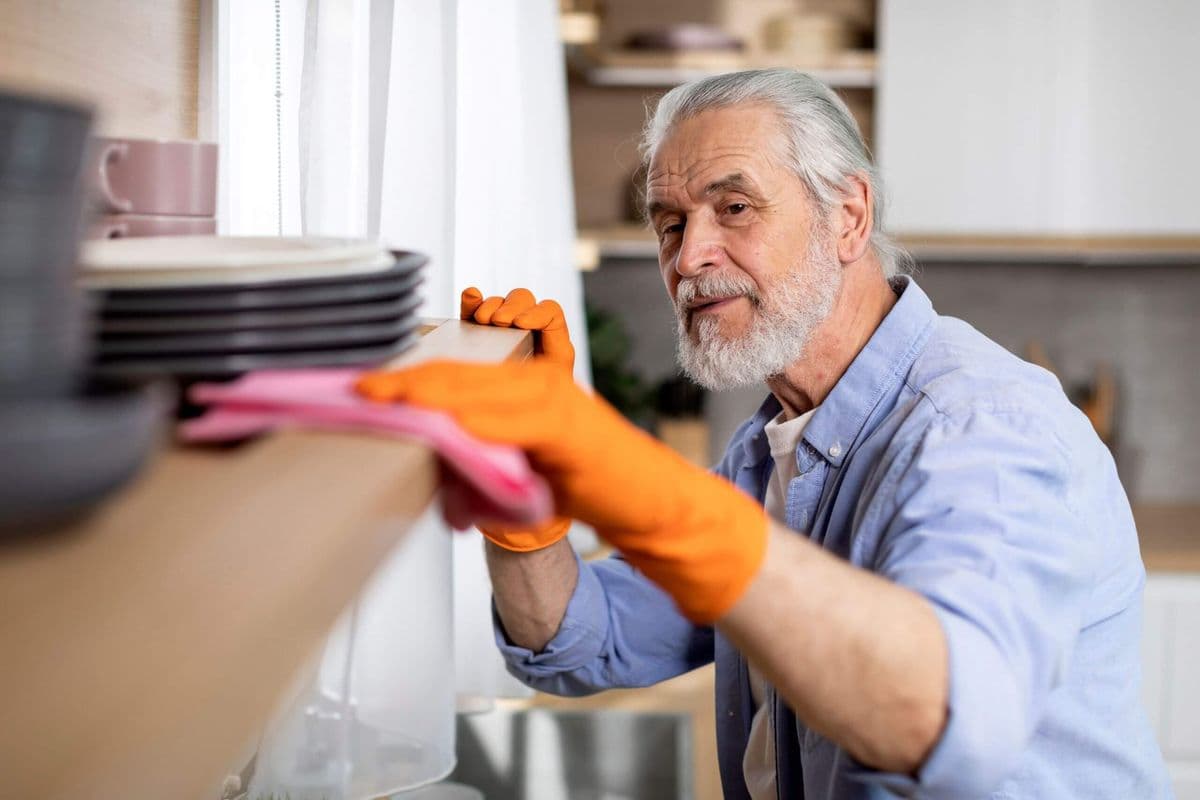
Ways to keep the client involved
- Identify the tasks that matter most to them.
- Break larger jobs into manageable steps.
- Share tasks rather than taking them over.
- Focus on the client participating, not on how efficiently the task gets done.
- Encourage them to make decisions.
- Celebrate success and progress.
Related reablement strategies
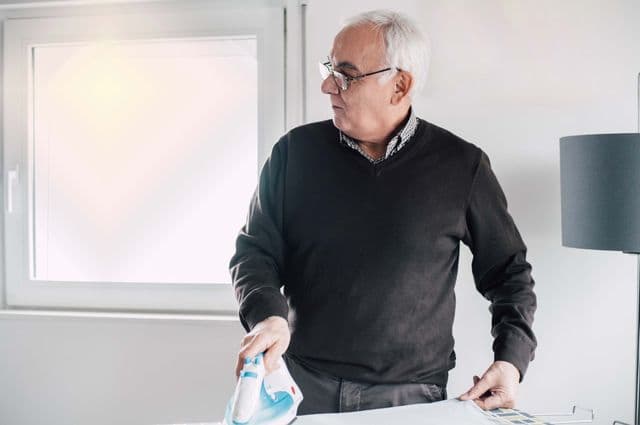
Modifying the task
Change the way a task is done so the person can take part. For example, sort items while sitting rather than standing.

Building capacity
Support the person to build their strength and abilities so they can do heavy housework.
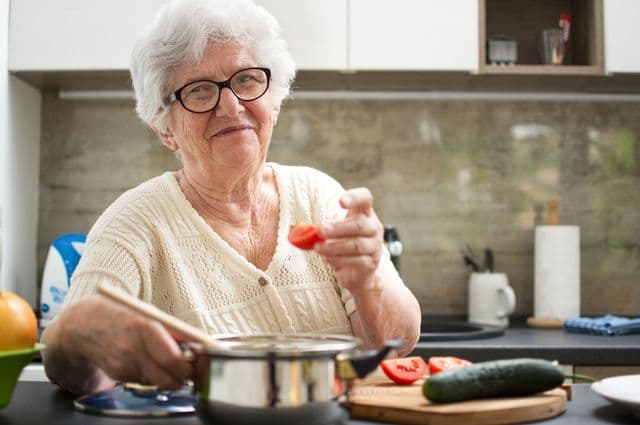
Adapting the environment
Adjust the living space to make daily life easier for the person. For example, ensure cleaning supplies are stored somewhere the person can safely reach.

Recommending assistive technology
Suggest AT that could help the person do more housework on their own.

Related low-risk assistive technology (AT)
- Lightweight cordless vacuums
- Spray-and-glide mops
- Long-handled dustpans and brooms
- Lightweight spin mops
- Reaching aids
- Organisational tools