
Dressing.
Choosing clothes and dressing yourself can be a meaningful part of everyday life.
Everyone’s situation is different.
Use this page as a guide and adapt ideas to suit the person’s goals, abilities, and preferences.

Why this activity matters
Getting dressed is an important everyday activity that can help people maintain independence and continue their usual routines.
Choosing what to wear can also help people express their personal style and feel ready for the day.
You can find support worker tipsheets for helping clients get dressed in our AT essentials guide.
Physical benefits
Getting dressed can involve many movements that can help people practise physical skills.
Strength and movement
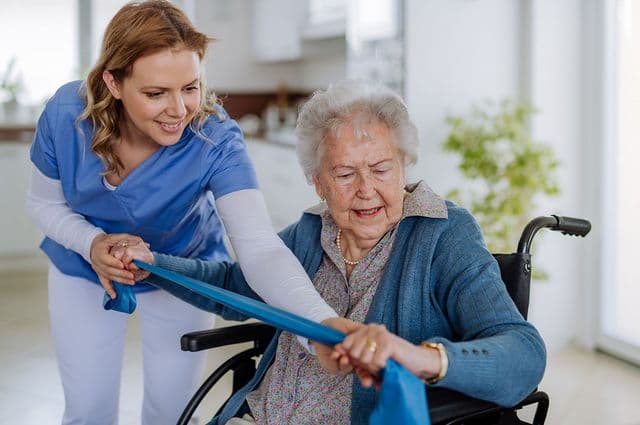
Putting on clothes involves moving the arms, legs and body in different ways. This can help people use and maintain strength needed for everyday tasks.

Balance and coordination
Standing to put on clothes, stepping into trousers, or putting on shoes can involve balance and coordination.

Joint movement and flexibility
Reaching, bending, and moving the arms and legs while dressing can help keep the body moving during everyday tasks.
Hand strength and coordination
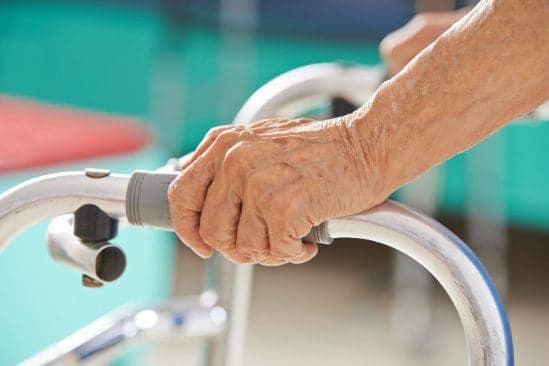
Doing up buttons, pulling zips, tying shoelaces, and handling clothing gets the hands and fingers working. This can help maintain hand strength and coordination.
Thinking and cognitive benefits
Dressing also uses planning, memory, and other everyday thinking skills. Using these skills everyday supports brain health.
Planning and organising
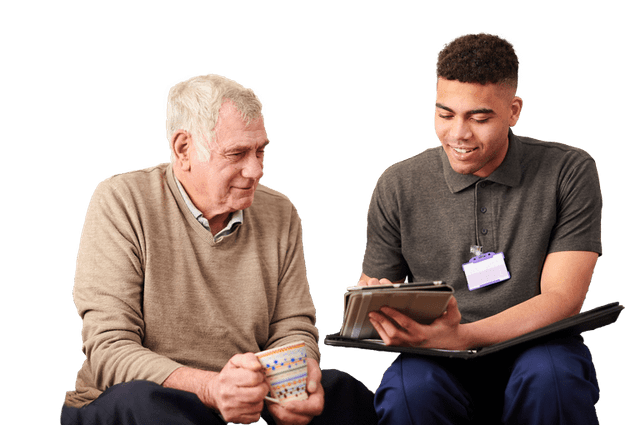
Choosing suitable clothes and working out the order to put them on gives people a chance to use planning and organising skills.

Memory
Remembering where clothes are kept and the steps involved in getting dressed gives people a chance to use their memory.
Problem solving
Finding another way to put on difficult clothing or choosing suitable clothes for the weather can involve making decisions and solving small problems.
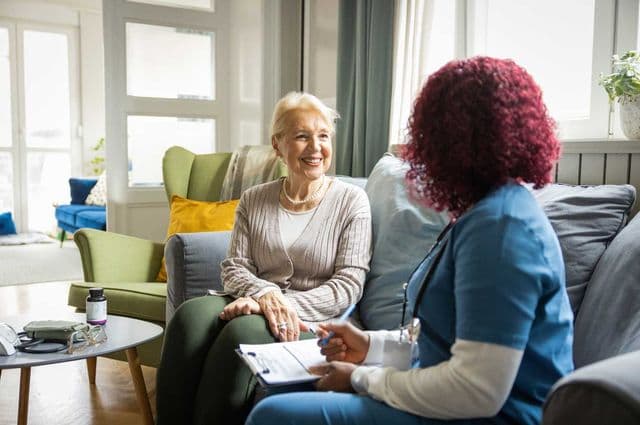
Attention
Getting dressed involves focusing on a task and following a series of steps.
Emotional and social benefits
Dressing can support confidence, independence, and self-expression.
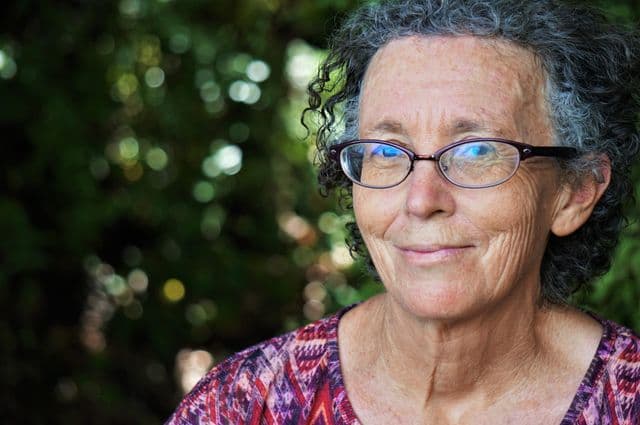
Choice and self-expression
Choosing clothes gives people a chance to express their personal style and preferences.
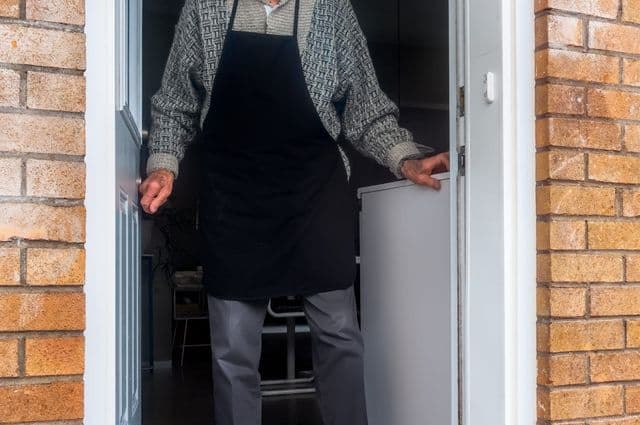
Confidence and independence
Doing as much of their own dressing as possible can help people feel capable and confident in what they can do.
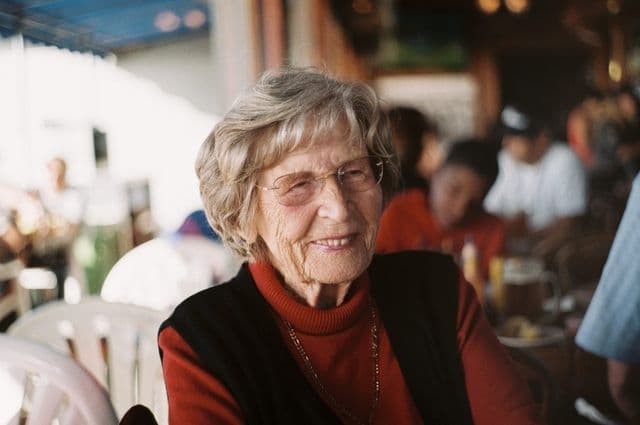
Routine and wellbeing
Getting dressed can be an important part of a person’s daily routine and help them feel ready for the day.

Social participation
The clothes a person chooses can be part of how they express themselves among different groups. Dressing can help them prepare for social events that are important to them.
Ways to keep the person involved
- Focus on the parts of dressing the person can and wants to do.
- Ask what they would like to wear.
- Adapt tasks rather than taking over completely.
- Encourage the person to choose their own clothes.
- Break dressing into smaller steps if needed.
- Support the person to do as much as they can themselves.
- Allow enough time to get dressed at a comfortable pace.
Related reablement strategies
Modifying the task
Change the way a task is done so the person can take part. For example, sitting down to put on trousers, socks or shoes.
Building capacity
Support the person to build the strength, balance, movement or coordination they need for dressing. For example, practising movements that help with reaching their feet or putting on a shirt.

Adapting the environment
Adjust the living space to make daily life easier for the person. For example, keep frequently worn clothes within easy reach or provide a stable chair for dressing.
Recommending assistive technology
Suggest AT that could help the person do more of their dressing themselves.
Related low-risk assistive technology (AT)
- Long-handled shoehorns
- Dressing sticks
- Button hooks
- Zip pullers
- Sock aids
- Elastic shoelaces