
Hobbies and leisure activities.
Taking part in hobbies and leisure activities can be a meaningful part of everyday life.
Everyone’s situation is different.
Use this page as a guide and adapt ideas to suit the person’s goals, abilities, and preferences.

Why this activity matters
Hobbies and leisure activities can help people continue doing things they enjoy and that are important to them.
Activities such as reading, crafting, puzzles and listening to music can also help people stay active, use everyday thinking skills, and connect with others.
Physical benefits
Some hobbies and leisure activities involve movements that can help people practise physical skills.
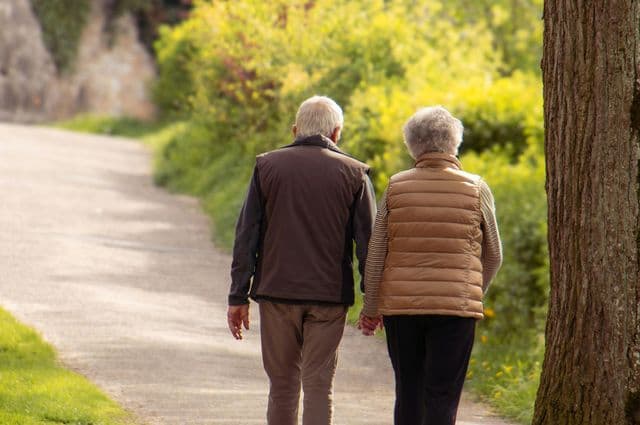
Movement
Active hobbies like sports or fishing can help people stay active and keep their body moving.

Hand strength and coordination
Holding a book, turning pages, knitting, drawing, or using craft materials gets the hands and fingers working. This can help maintain hand strength and coordination.
Thinking and cognitive benefits
Hobbies and leisure activities can use memory, attention, and other everyday thinking skills. Using these skills every day supports brain health.
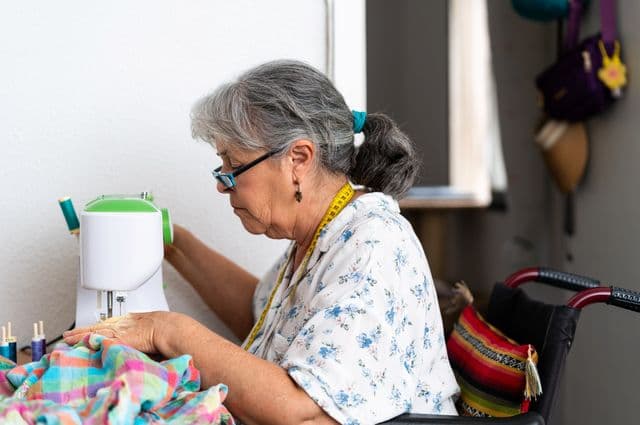
Planning and organising
Planning a craft project, choosing a book, or getting materials ready gives people a chance to use planning and organising skills.
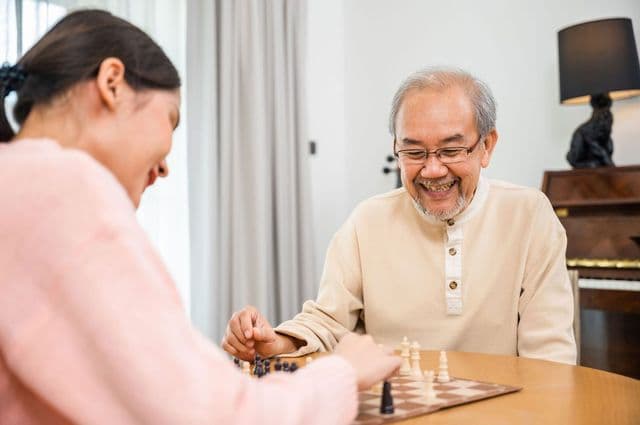
Memory
Following a familiar pattern, remembering a story, or recalling the rules of a game gives people a chance to use their memory.
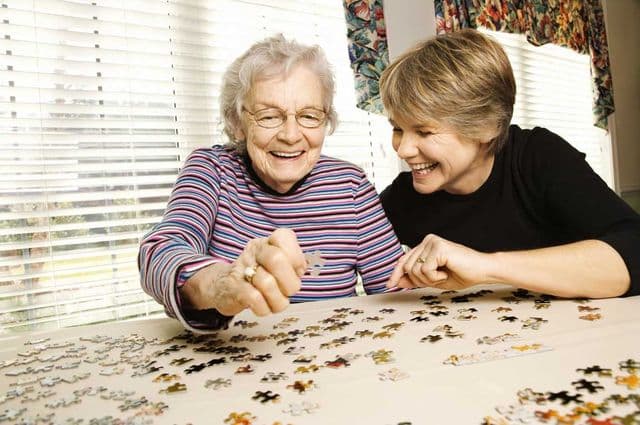
Problem solving
Puzzles, games, and creative activities can involve making decisions and solving problems.
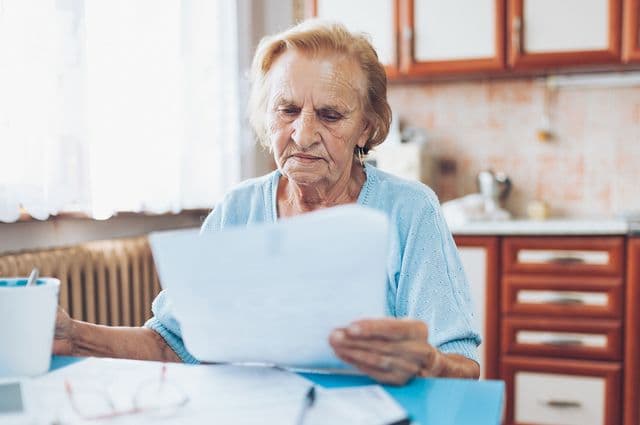
Attention
Reading, crafting, and other hobbies can help people practise staying focused on an activity.
Emotional and social benefits
Many hobbies and leisure activities can support confidence, enjoyment, and connection.
Purpose and achievement
Finishing a book, completing a puzzle, or creating something can give people a sense of purpose and achievement.
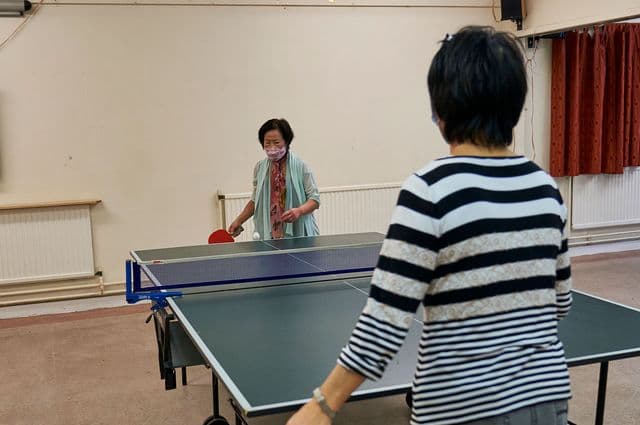
Confidence and independence
Continuing with familiar hobbies can help people feel capable and confident in what they can do.

Relaxation and wellbeing
Making time for enjoyable activities can be a relaxing and positive part of the day.
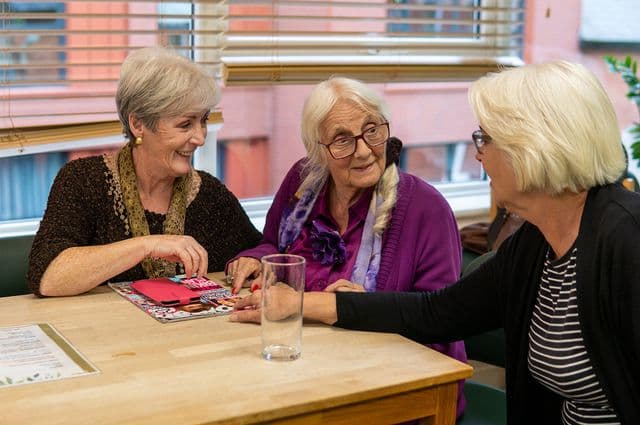
Connection with others
Hobbies can be a way to spend time with friends, family, or other people who share similar interests.
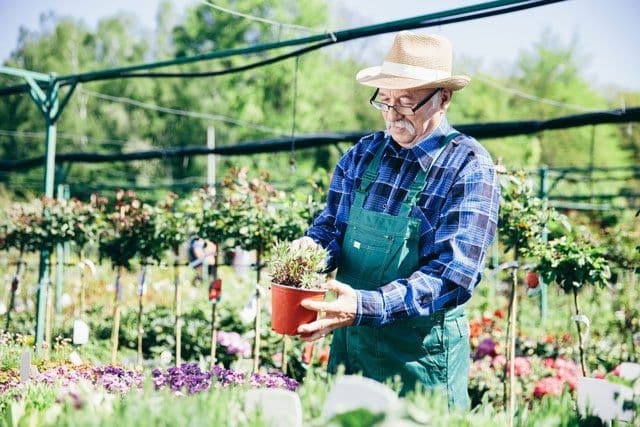
Ways to keep the person involved
- Focus on hobbies and activities the person enjoys.
- Ask what they would like to do.
- Adapt activities rather than removing them completely.
- Encourage the person to choose their own activities and materials.
- Break more difficult activities into smaller steps.
- Support the person to do as much as they can themselves.
- Allow enough time to take part at a comfortable pace.
Related reablement strategies
Modifying the task
Change the way a task is done so the person can take part. For example, use larger craft materials that are easier to hold or listen to an audiobook instead of reading small print.

Building capacity
Support the person to build the skills and abilities they need to take part in hobbies they enjoy. For example, practising hand movements needed for craft activities.
Adapting the environment
Adjust the space to make hobbies and leisure activities easier. For example, provide good lighting, a comfortable chair, and a clear space for activities.

Recommending assistive technology
Suggest AT that could help the person continue with hobbies and leisure activities more independently.
Related low-risk assistive technology (AT)
- Book stands
- Page turners
- Audiobooks and audio players
- Ergonomic pens and pencils
- Easy-grip craft tools
- Large-piece puzzles or playing cards