
Laundry and clothing care.
Washing, drying, folding and putting away clothes are part of everyday life. These everyday tasks around the home can support physical, mental, and emotional wellbeing. They can also give people a sense of achievement and help them feel more in control of their living space.
Everyone’s situation is different.
Use this page as a starting point. Adapt ideas to suit the person’s goals, abilities, and preferences.
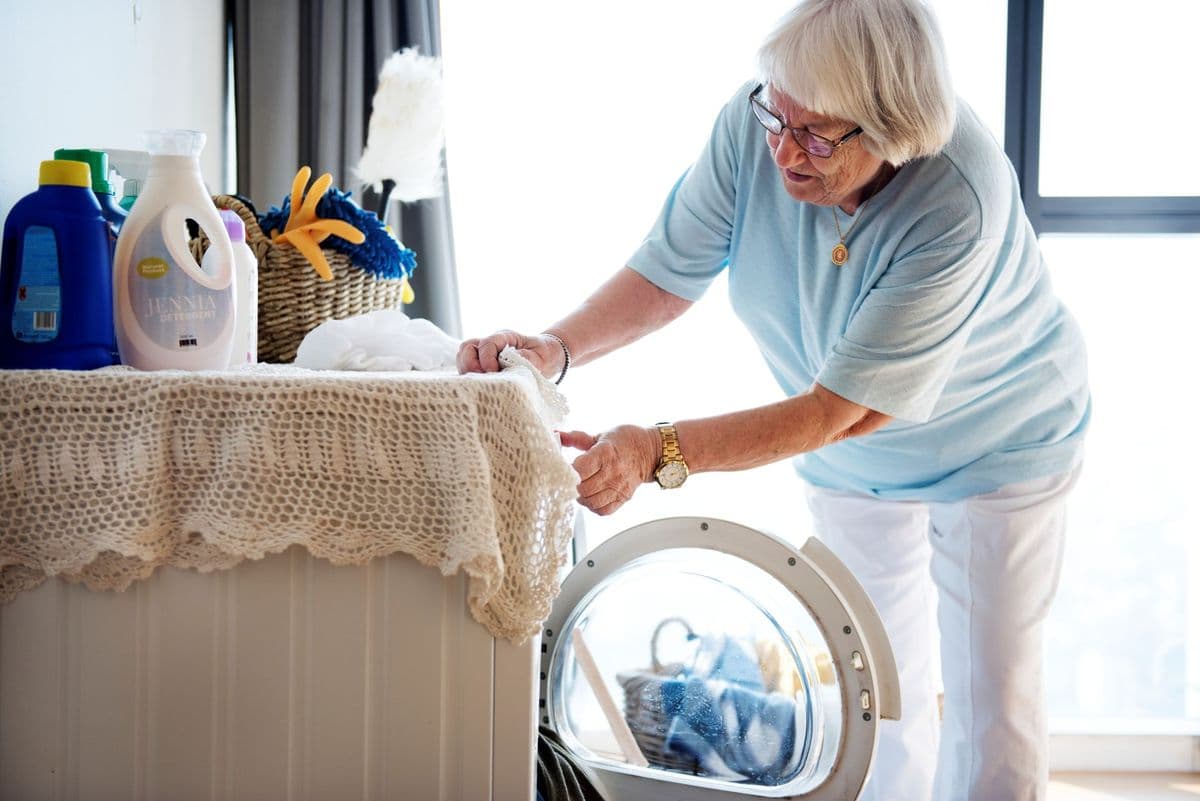
Why this activity matters
Laundry is an important part of daily living and personal independence.
Taking part in clothing care activities can help people:
- Keep familiar routines
- Make choices about how they manage their day
- Maintain dignity and confidence
Physical benefits
Laundry tasks get people moving and using different physical skills. Regular activities help the body maintain strength and functional abilities.

Strength and endurance
Carrying clothes, moving wet laundry, and hanging items out gets people moving and using their muscles. Doing these tasks regularly can help people stay strong and active.
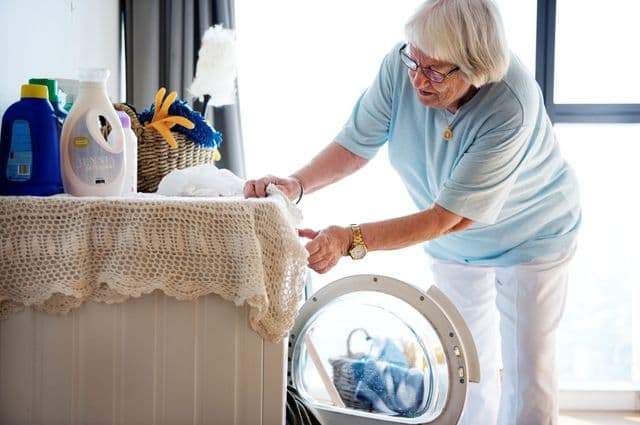
Everyday movement
Loading a washing machine, hanging clothes, and putting them away involves many everyday movements. Practising these movements can help people keep doing daily tasks.

Reaching and bending
Reaching for clothes, bending to a washing basket, and hanging washing can help people practise their flexibility.

Hand strength and coordination
Using pegs, folding clothes, and doing up buttons or zips gets the hands and fingers working. This can help maintain hand strength and coordination.
Thinking and cognitive benefits
Laundry also uses thinking and planning skills. Practising these skills helps keep the brain healthy.

Doing tasks in order
Laundry involves doing several steps in the right order, from sorting clothes to putting them away.

Sorting items
Sorting clothes by colour, type, or owner gives people a chance to practise matching and grouping items.

Planning and organising
Deciding what needs washing and when to do it can help people use planning and organising skills.

Attention to detail
Laundry involves checking labels, measuring detergent, and matching socks. These are all simple ways to practise attention to detail.
Emotional and social benefits
Staying involved in everyday tasks can support emotional wellbeing and independence.
Independence
Doing as much of their own laundry as possible can help a person stay independent at home.

Choice and control
Choosing what to wash, what to wear, and how clothes are cared for can give the person more control over their daily life.

Confidence
Doing familiar laundry tasks can help people feel capable and confident in what they can do.

Taking part in daily life
Looking after clothing can help people stay involved in their usual routines. They can prepare for work, appointments, or social activities.
Ways to keep the person involved
- Ask the person which laundry tasks they would like to do.
- Encourage them to sort clothes and choose washing settings.
- Support them to load or unload the washing machine.
- Encourage them to hang, fold, or put away clothes where they can.
- Break larger tasks into smaller steps if needed.
- Focus on doing with the person, rather than doing the task for them.
- Allow enough time so the person can do as much as possible themselves.
Related reablement strategies

Modifying the task
Change the way a task is done so the person can take part. For example, fold clothes while sitting rather than standing.

Building capacity
Support the person to build their strength and abilities so they can carry heavy laundry.
Adapting the environment
Adjust the living space to make daily life easier for the person. For example, ensure clothing racks are installed somewhere the person can safely reach.

Recommending assistive technology
Suggest AT that could help the person do more laundry on their own.

Related low-risk assistive technology (AT)
- Sorting baskets
- Free-standing drying racks
- Lightweight Iron
- Mesh wash bags
- Reaching tools