
Cooking and meal preparation.
Explore the benefits of supporting people to plan, prepare, and cook meals they enjoy.
Everyone’s situation is different.
Use this page as a starting point. Adapt ideas to suit the person’s goals, abilities, and preferences.
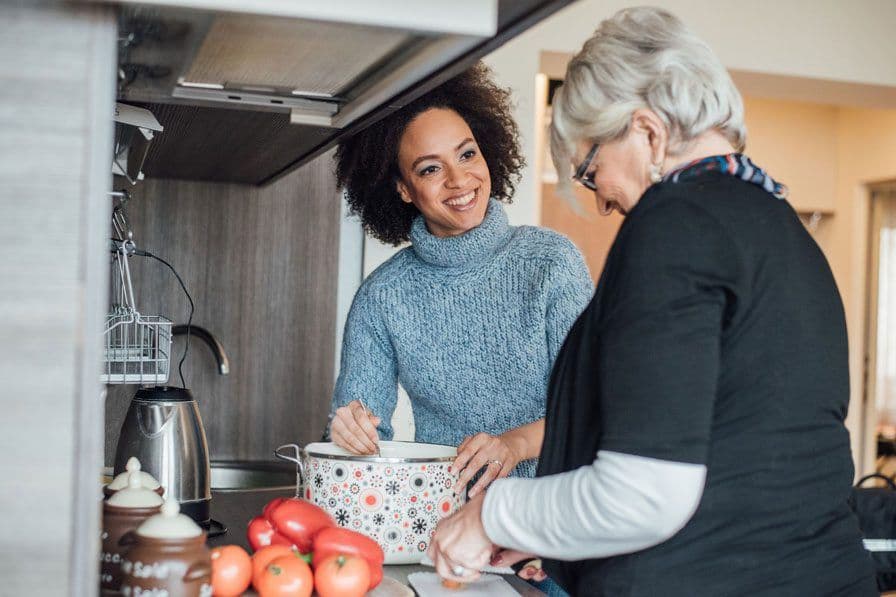
Why this activity matters
Preparing meals can help people stay independent and eat well. Cooking can also be an enjoyable way for people to make choices, be creative, and care for themselves or others.
Physical benefits
Preparing meals involves many movements that can help people practise physical skills.
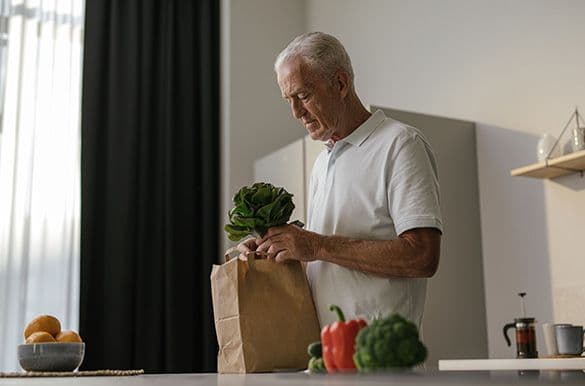
Strength and fitness
Lifting pots, carrying ingredients, and preparing food gets people moving and using their muscles. Doing these tasks regularly can help people stay strong and active.
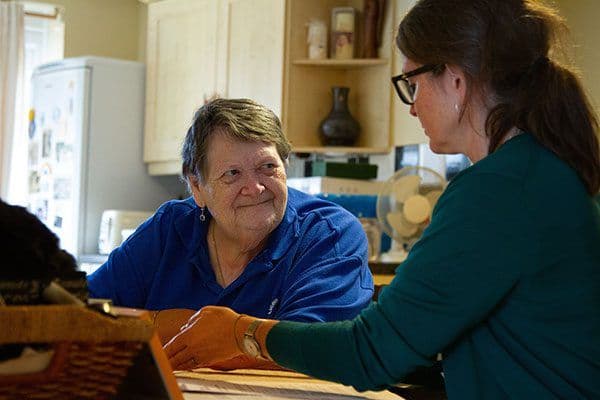
Balance and coordination
Moving around the kitchen and reaching for items can help people practise balance and coordination.
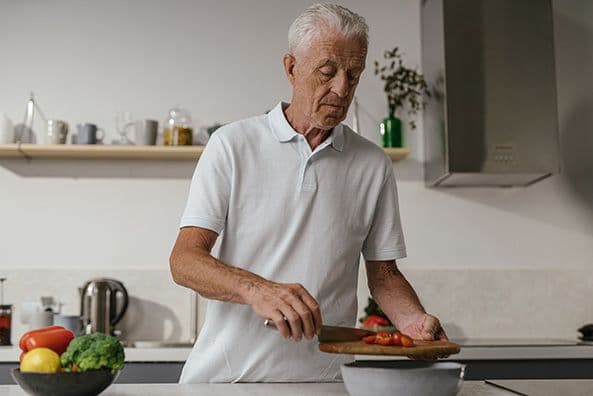
Joint movement and flexibility
Reaching, bending, and moving around the kitchen can help keep the body moving during everyday tasks.
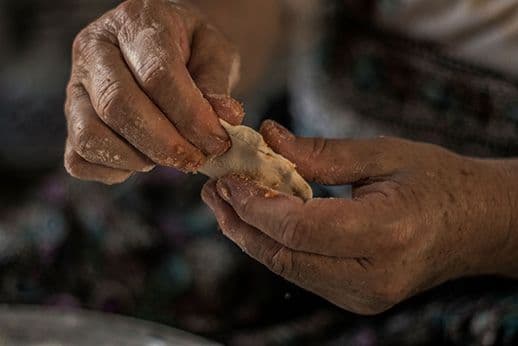
Hand strength and coordination
Stirring, pouring, opening containers, and preparing ingredients gets the hands and fingers working. This can help maintain hand strength and coordination.
Thinking and cognitive benefits
Planning and preparing meals uses many everyday thinking skills. Practising these skills helps keep the brain healthy.
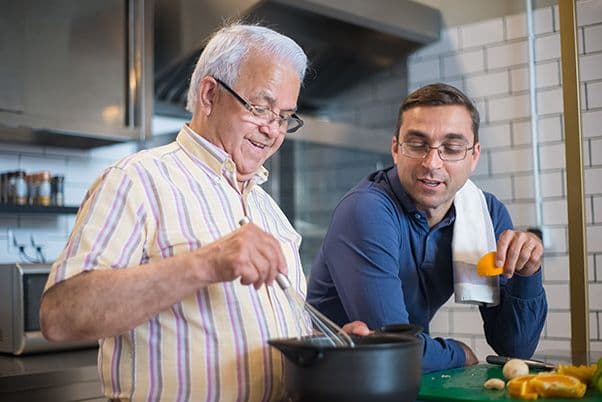
Memory
Cooking can involve remembering familiar recipes, ingredients, and steps. This gives people a chance to practice their memory skills.

Planning and doing tasks in order
Preparing meals involves choosing what to make, gathering ingredients, and following recipes. This helps people practise planning and doing tasks in order.
Problem solving
Cooking often involves making decisions and solving small problems. For example, changing a recipe when an ingredient is missing.
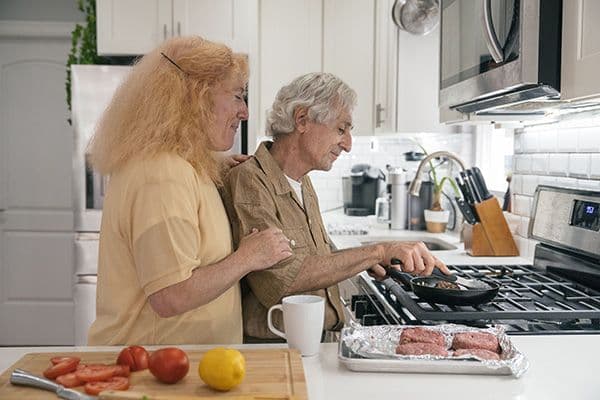
Concentration and attention
Cooking can involve following a recipe, measuring ingredients, and checking food while it cooks. This can help people practise staying focused.
Emotional and social benefits
Cooking can support confidence, enjoyment, and connection with others.
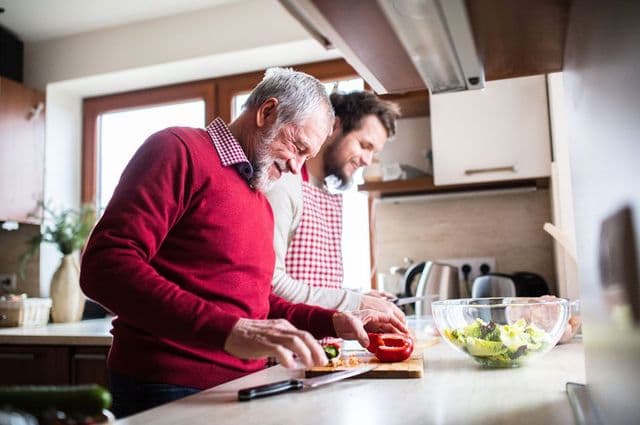
Confidence and self-esteem
Preparing a meal can help people feel capable and confident in what they can do.
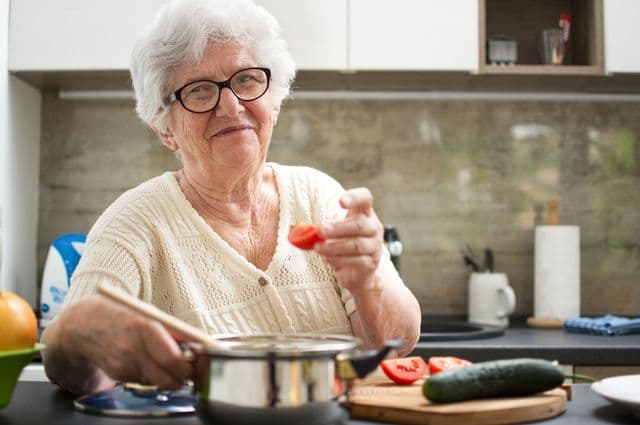
Sense of purpose
Preparing food for yourself or others can be a useful and meaningful part of the day.
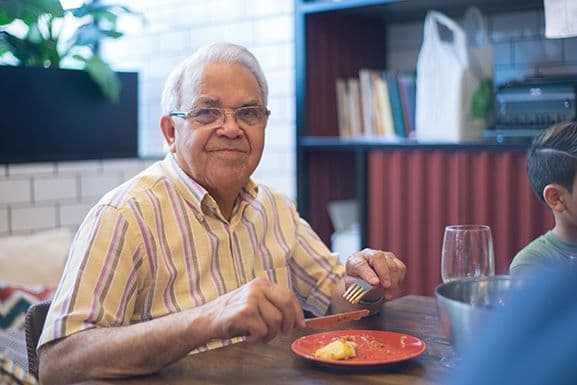
Connection and belonging
Cooking and sharing food with other people can be a way to spend time together and stay connected.
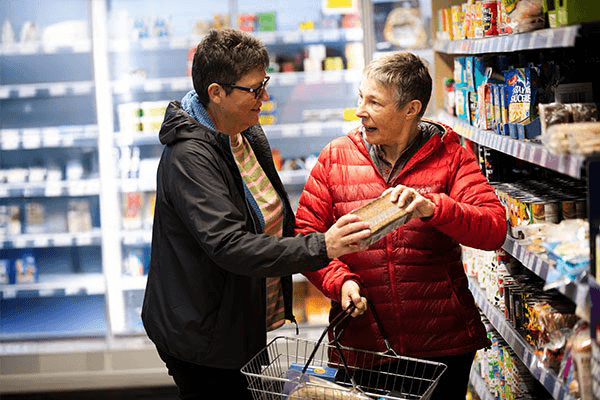
Independence and choice
Being able to choose what to eat and prepare it for themselves can help people feel in control of their day.

Ways to keep the person involved
- Choose tasks that suit the person’s interests and abilities.
- Ask what they would like to cook or eat.
- Involve them in choosing recipes and gathering ingredients.
- Break larger tasks into smaller steps if needed.
- Encourage them to do the parts of the task they can manage.
- Offer support when needed rather than taking over.
- Focus on participation rather than completing the meal quickly.
Related reablement strategies
Modifying the task
Change the way a task is done so the person can take part.
Building capacity
Support the person to build their strength and abilities.
Adapting the environment
Adjust the living space to make daily life easier for the person.
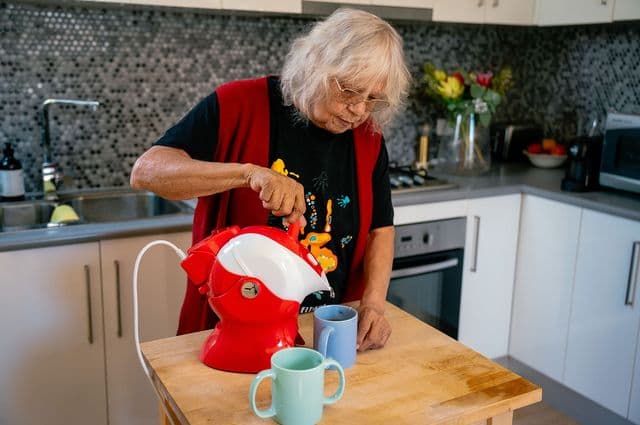
Recommending assistive technology
Suggest AT that could help the person do more for themselves.

Related low-risk assistive technology
- Kettle tippers
- Adaptive cutlery and utensils
- Adaptive chopping boards
- Hi-vis food preparation boards