
The aim of this session is to raise awareness of the features and the impact reablement language can have when working with clients to maintain or regain abilities.
Through applied examples and the opportunity to practice using reablement language, participants will increase their knowledge and understanding of the important role language has when supporting someone to retain their independence.
The Facilitator's Guide
The Facilitator’s Guide for module 2 and support documents will help presenters to deliver this presentation with ease. Just click the images above to download the PDFs and print them out to have a support resource when presenting. You can also use the links below to download the support documents.

Communication activity
Communication activity sheets – print out as many copies as needed. One for each group or one per person as a guide. For Support Workers. For Service Coordinators. For Regional Assessment Services. For Intake staff.
Feedback sheet – print out as many copies as needed. One for each group or one per person as a guide.
We value your feedback and suggestions. Please have your group complete this sheet after each session. Keep one copy for your reference and forward another copy to keepable@ilaustralia.org.au for our continued improvement of these resources.
Other modules in the Bitesize series:
Here are some other Bitesize presentations that you may find useful to download and present to your organisation

What and why of reablement
The aim of this session is to enhance the understanding of the participants as to why a wellness and reablement approach increases the opportunity for clients to regain or maintain abilities, thereby improving their prospects of staying as independent as possible for longer.
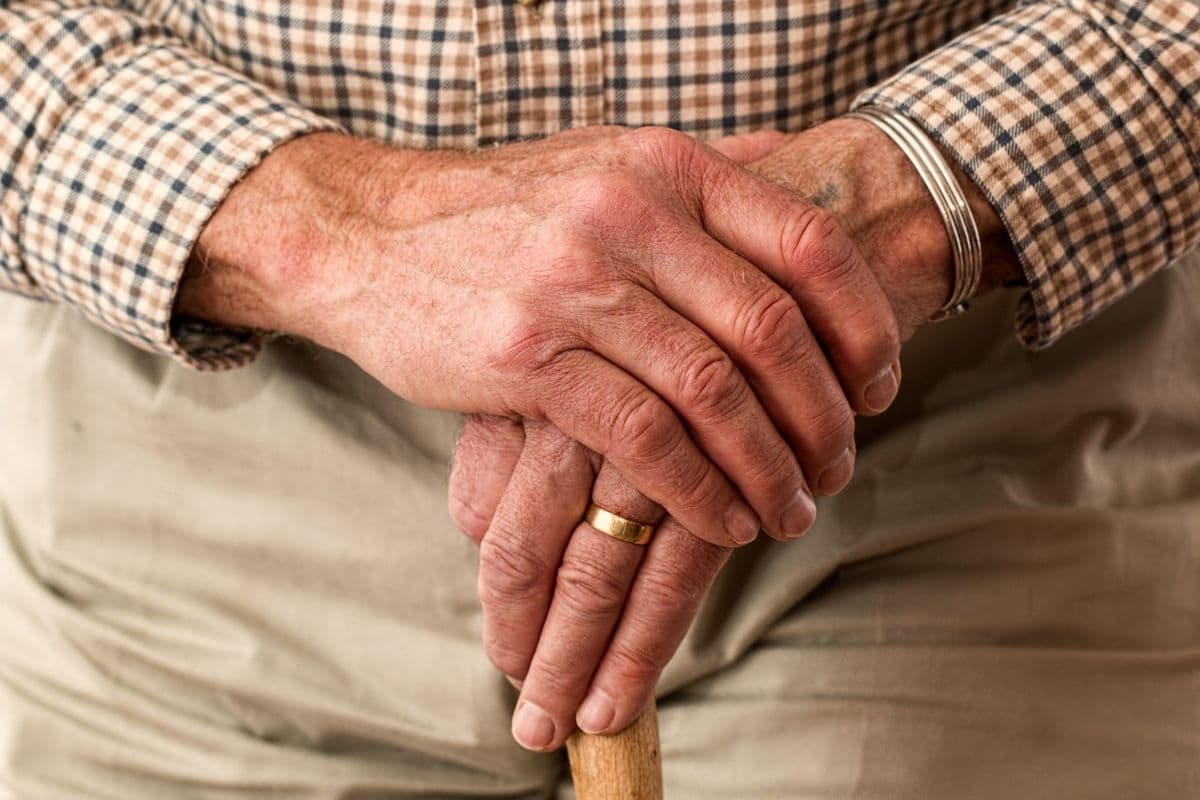
Everything you do for me, you take from me
How often do you think about the demands and benefits of activities you do every day? There is a lot of complexity involved in getting dressed, driving the car, writing a shopping list or just going for a walk.This session encourages you to think about the activities we do every day, and how they can meet clients physical, cognitive and social needs for health and wellness.
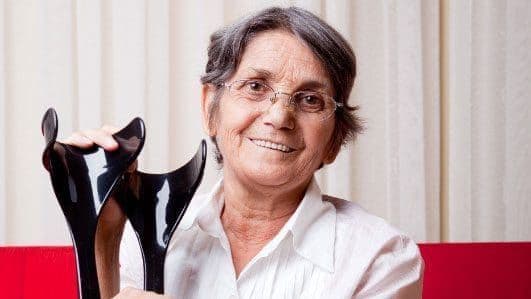
Working with clients and low-risk assistive technology
The aim of this session is to enhance participants understanding of assistive technology (AT), their role in supporting clients to use low-risk AT, and how low-risk AT combined with a wellness and reablement approach provides greater opportunities for older people to remain living independently at home.