
Gardening and outdoor activities.
Planning, caring for, and enjoying gardens and outdoor spaces can be a meaningful part of everyday life.
Everyone’s situation is different.
Use this page as a starting point. Adapt ideas to suit the person’s goals, abilities, and preferences.

Why this activity matters
Keeping a garden can help people stay active, spend time outdoors, and continue doing something they enjoy.
Gardening activities can help people stay involved in everyday life and connected with nature.
Physical benefits
Gardening involves many movements that can help people practise physical skills.
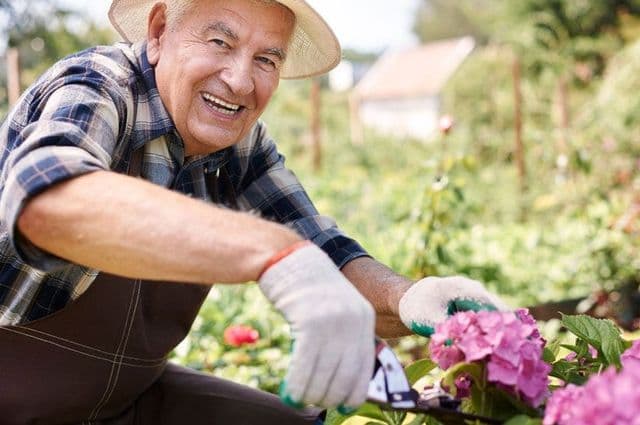
Strength and fitness
Digging, carrying, watering and moving around the garden gets people moving and using their muscles. This can help maintain strength and stamina.
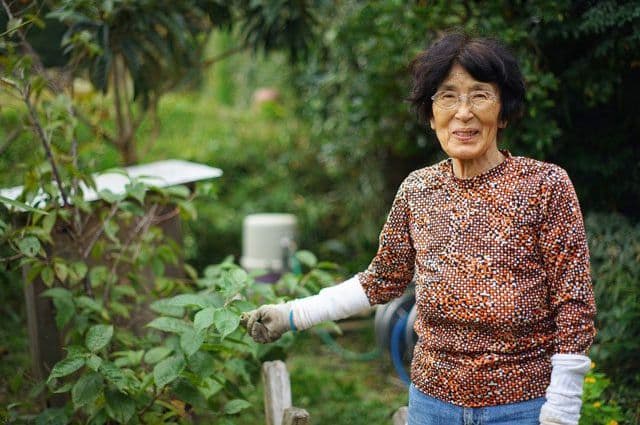
Balance and coordination
Moving around the garden and working on different outdoor surfaces gives people a chance to practise balance and coordination.
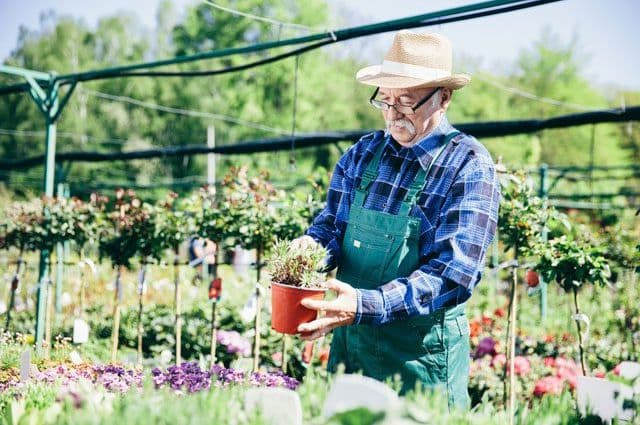
Joint movement and flexibility
Reaching, bending, and stretching while gardening can help keep the body moving during everyday tasks.
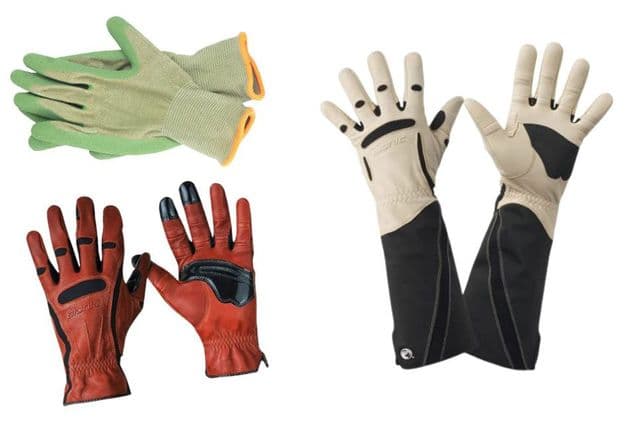
Hand strength and coordination
Handling seeds, plants, and gardening tools gets the hands and fingers working. This can help maintain hand strength and coordination.
Thinking and cognitive benefits
Gardening also uses planning, memory and other everyday thinking skills. Using these skills everyday supports brain health.
Planning and organising
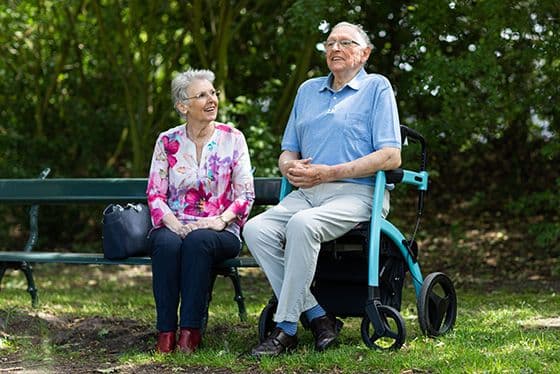
Choosing what to plant and deciding when gardening jobs need to be done gives people a chance to use planning and organising skills.
Memory
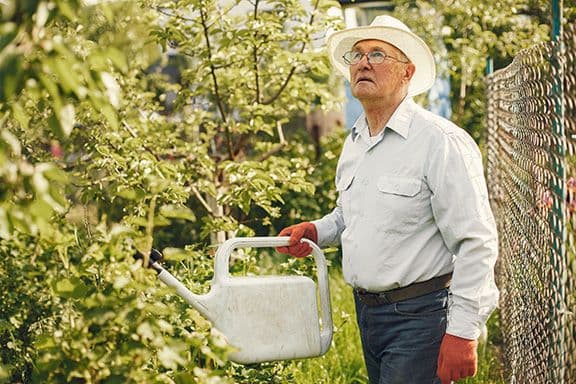
Remembering when to water plants and how to care for them throughout the seasons gives people a chance to use their memory.
Problem solving
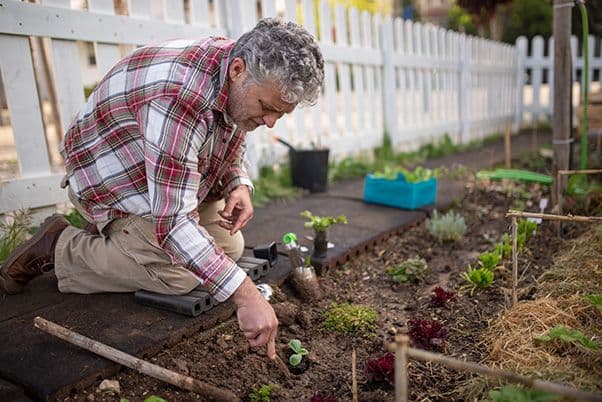
Dealing with weeds, pests, or changing weather can involve making decisions and solving small problems.
Attention
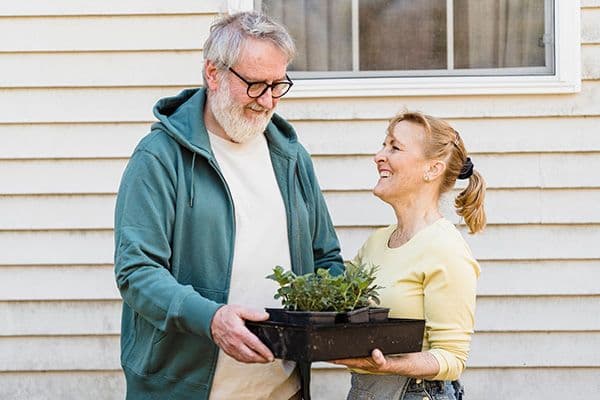
Planting, watering, and caring for plants can help people practise staying focused on a task and following a routine.
Emotional and social benefits
Gardening can support confidence, enjoyment, and connection.
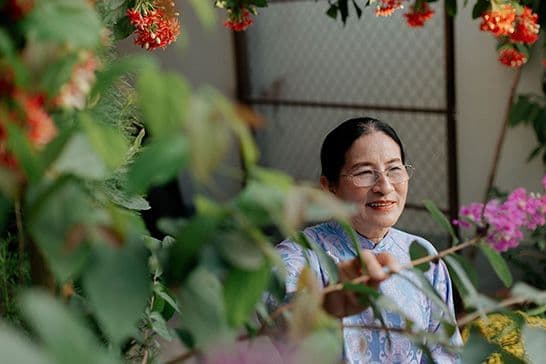
Purpose and achievement
Caring for plants and seeing them grow can give people a sense of purpose and achievement.

Confidence and independence
Doing familiar gardening tasks can help people feel capable and confident in what they can do.
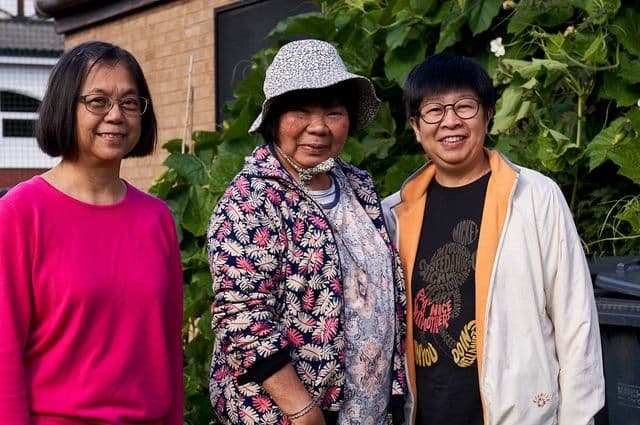
Relaxation and wellbeing
Spending time outdoors and doing an enjoyable activity can be a relaxing and positive part of the day.

Connection with nature and others
Gardening can help people stay connected with plants, seasons, and the natural environment. Community gardens can also be a way to spend time with others.
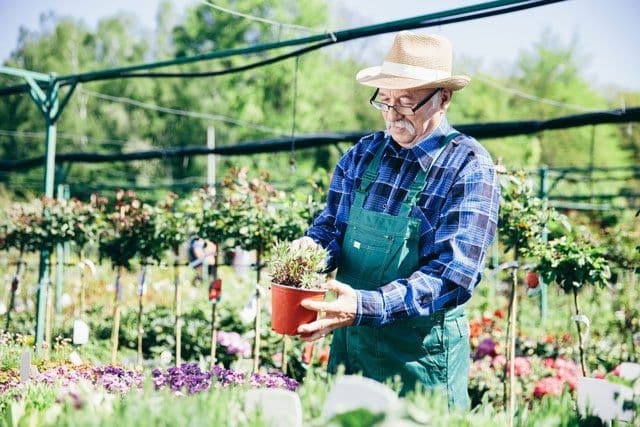
Ways to keep the person involved
- Focus on gardening activities the person enjoys.
- Ask what they would like to plant, grow or care for.
- Adapt tasks rather than removing them completely.
- Encourage the person to make decisions about the garden.
- Break larger gardening jobs into smaller steps.
- Support the person to do as much as they can themselves.
- Allow enough time to work at a comfortable pace.
Related reablement strategies
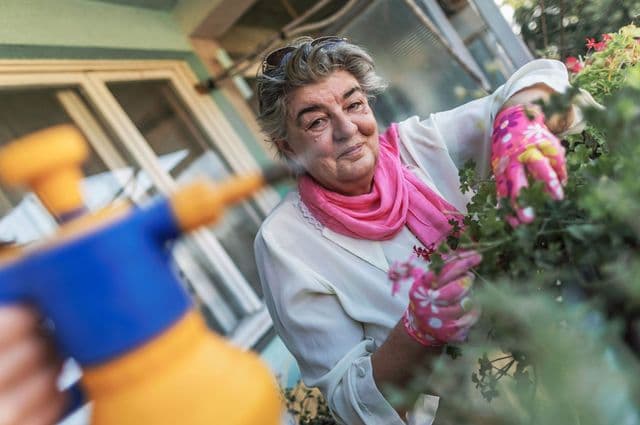
Modifying the task
Change the way a task is done so the person can take part. For example, working in raised garden beds so the person doesn't have to bend down.

Building capacity
Support the person to build their strength and abilities so they can carry and push items in the garden.
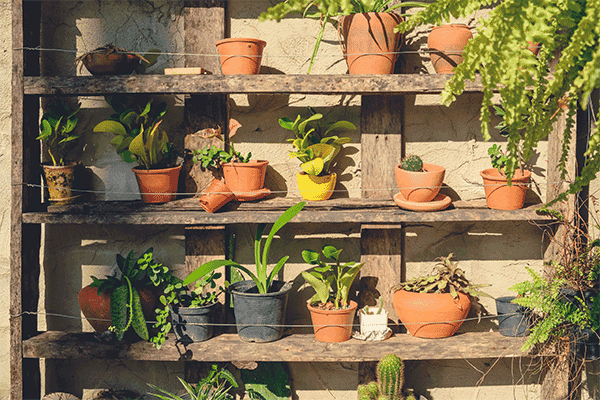
Adapting the environment
Adjust the living space to make daily life easier for the person. For example, ensure the garden is clear of trip hazards and install outdoor ramps if needed.
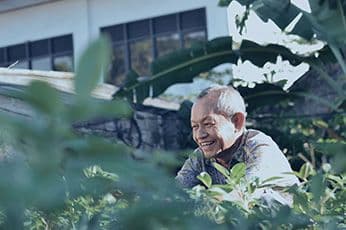
Recommending assistive technology
Suggest AT that could help the person do more gardening on their own.
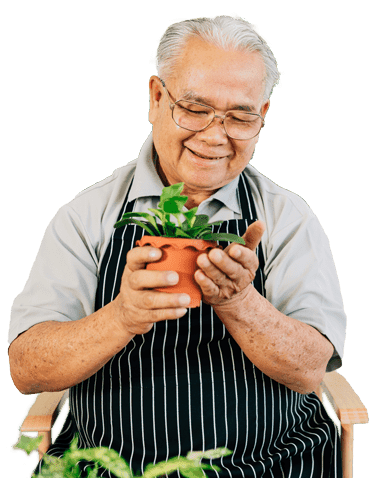
Related low-risk assistive technology (AT)
- Ergonomic garden tools
- Raised garden beds
- Gardening stools
- Long-handled tools
- Lightweight watering equipment