
Health and wellbeing benefits of everyday activities.
Use these practical resources to help older people understand the benefits of taking part in everyday activities. Participation can support physical, cognitive, emotional, and social wellbeing.
How to use these resources
1. Choose an activity
2. Review the benefits
3. Find ways to take part
4. Make a plan with the client
Explore activities
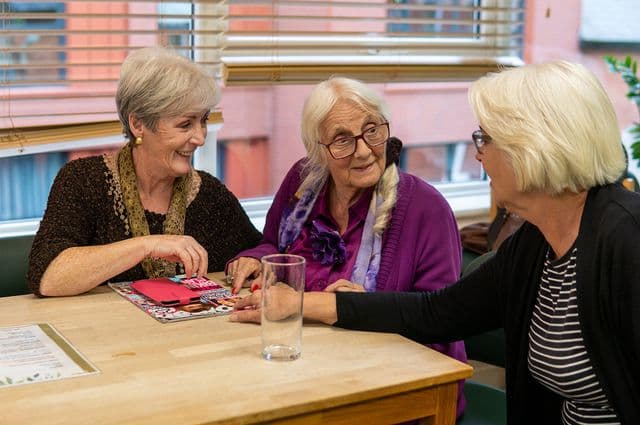
Going to a café and staying social
Staying connected and joining in with community activities is important for health and wellbeing.

Cooking and meal preparation
Planning, preparing, and cooking meals can be a meaningful part of staying independent.

Cleaning and housework
Keeping the home clean, organised and comfortable is rewarding in many ways.

Getting dressed
Choosing clothes and getting dressed independently can be a meaningful part of the day.
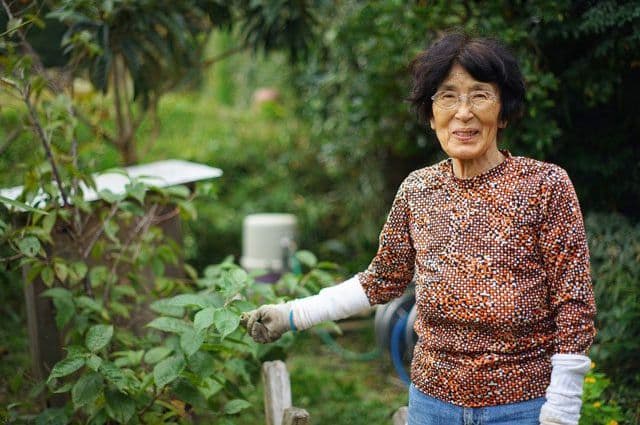
Gardening and outdoor activities
Gardening can be a meaningful way to stay active.
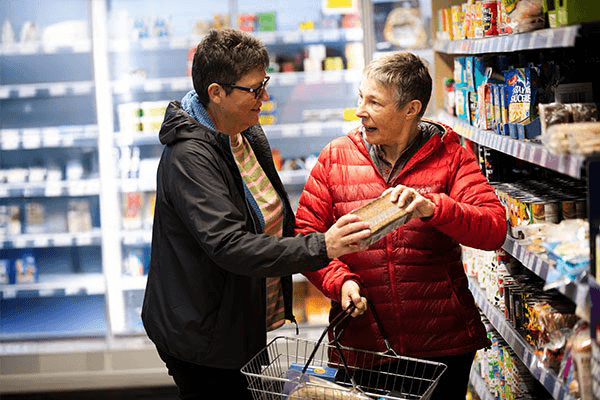
Shopping and getting out in the community
Shopping can help people stay independent and connected to their community.
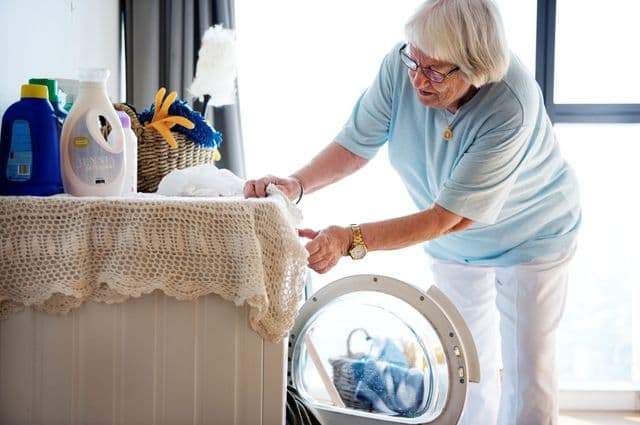
Laundry and clothing care
Doing the laundry can mean more than just washing clothes.
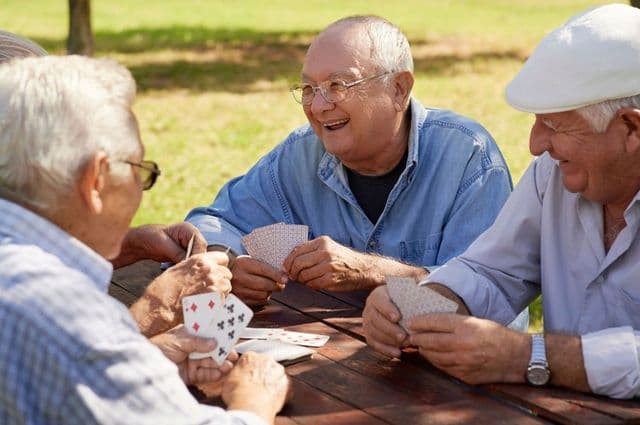
Hobbies and leisure activities
Hobbies like reading, crafting, or playing games can support physical and emotional wellbeing.
More ways to support participation

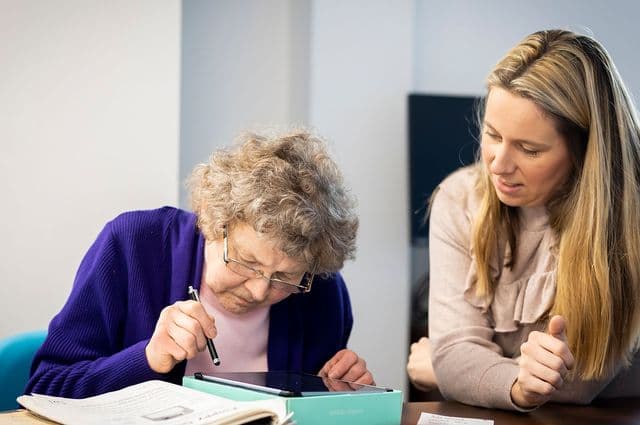
Low-risk assistive technology
Simple products that can make activities easier and safer.

Planning and goal-setting
Resources to help people set meaningful goals they can work towards.
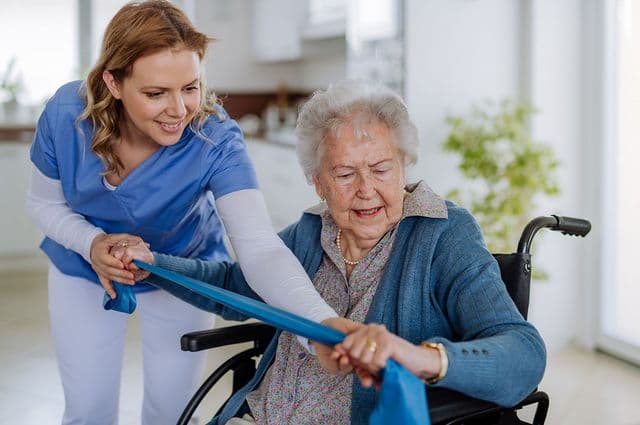
Wellness and reablement
Learn what reablement is and how it supports independence.

New to LifeCurve™?
Learn about what a person can do and how to set meaningful goals with the LifeCurve™ approach.